
Field Test · Studio Gear Review
Behringer HPM1000-BK
Technical take on Behringer’s budget-friendly closed-back headphones
 Behringer
- Stereo Headphones
- This is what customers who viewed this product bought
- Accessories & matching items
- 75Customer ratings
- Compare options
- Smart Navigator
Spec Sheet
- Wide dynamic range
- Closed
- Frequency response: 20 – 20000 Hz
- Max. power consumption: 100 mW
- Impedance: 32 Ohm
- Sensitivity: 105 dB @ 1 kHz
- Cable length: 2.0 m
- Connectors: 3.5 mm stereo jack
- Colour: Black
- Includes 6.3 mm jack adapter
Studio Log
| Available since | August 2019 |
|---|---|
| Item number | 462476 |
| Sales Unit | 1 piece(s) |
| Design | Over-Ear |
| System | CLosed Back |
| Impedance | 32 Ohms |
| Frequency range | 20 Hz – 20000 Hz |
| Adapter | Yes |
| Replacable Cable | No |
| Marrone/Argento | Black |
| Sensitivity | 105 dB |
| Type Of Connector | Jack |
Demo Footage
Field Photography

QC Pass — Field Test
Customer Review Summary
Introduction
The Behringer HPM1000-BK headphones aim to deliver a functional listening experience at a remarkably low price of £8.50. Launched in August 2019, these closed-back, over-ear cans target users seeking an affordable solution for casual or basic monitoring use, such as radio broadcasts or mobile audio playback. With a nominal impedance of 32 Ohms and a wide frequency range of 20 Hz to 20,000 Hz, they promise compatibility with most devices.
Design and Build Quality
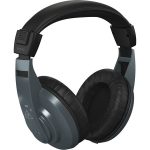
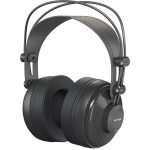
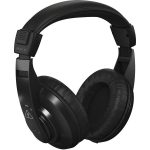
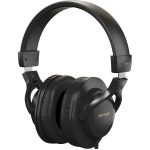
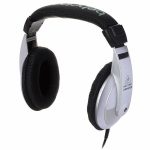
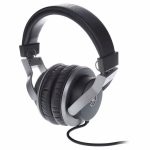
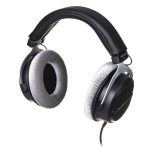
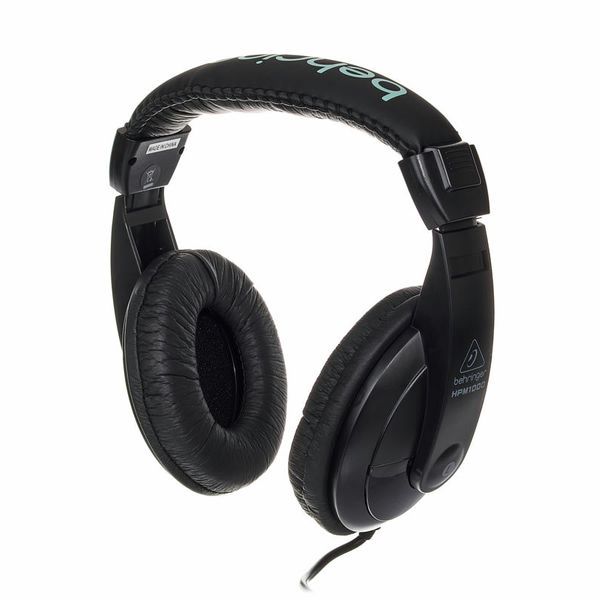
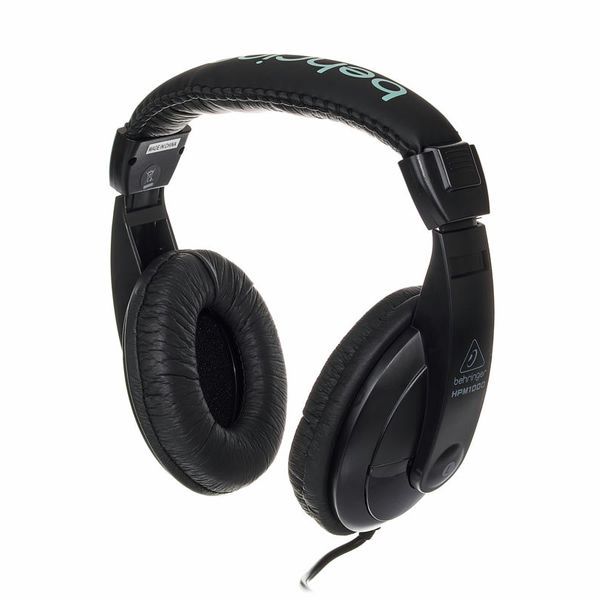
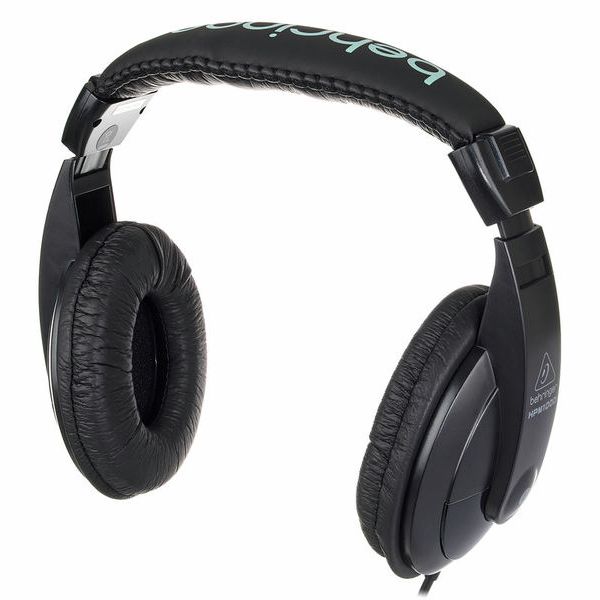
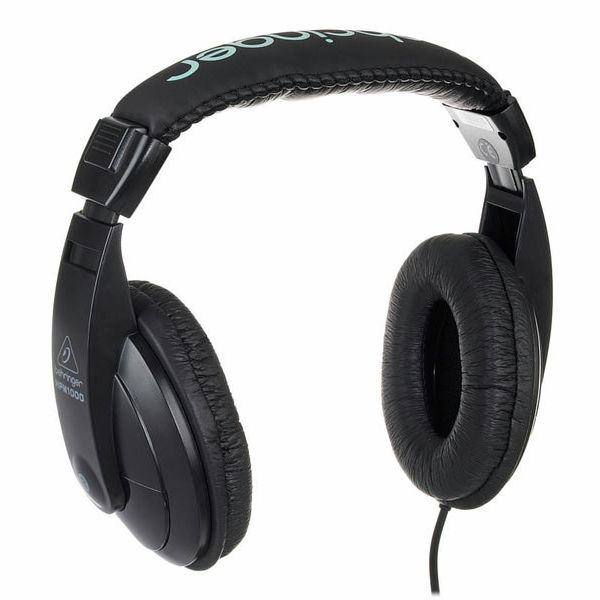
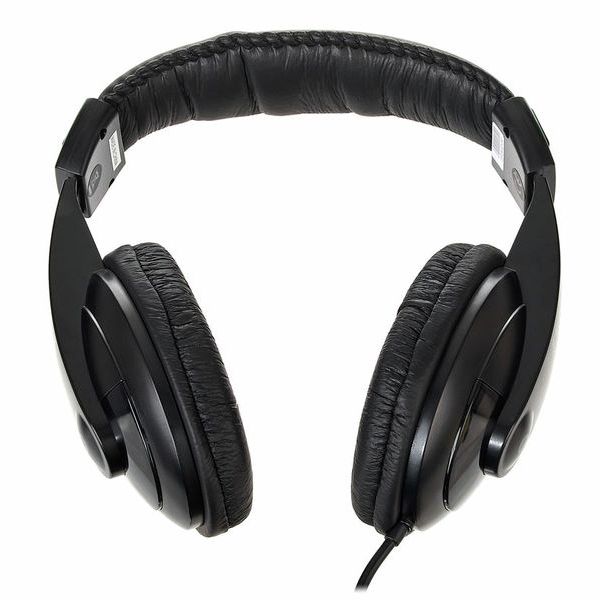
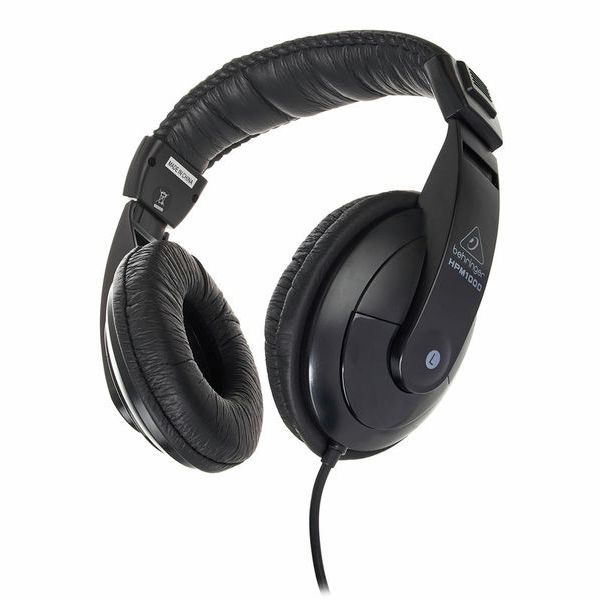
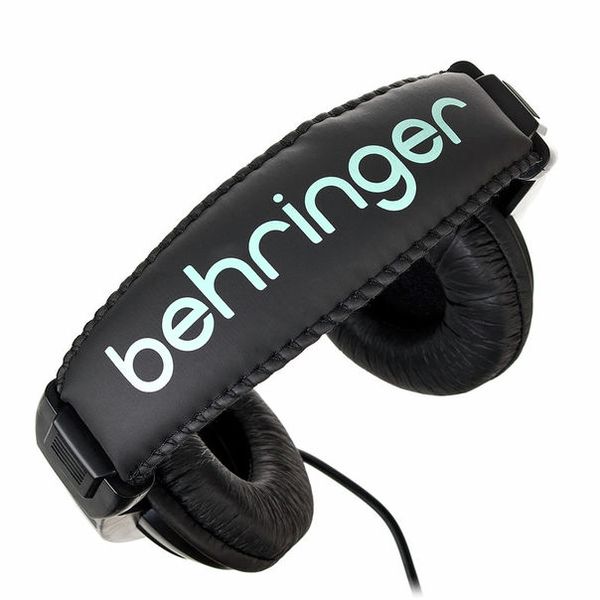
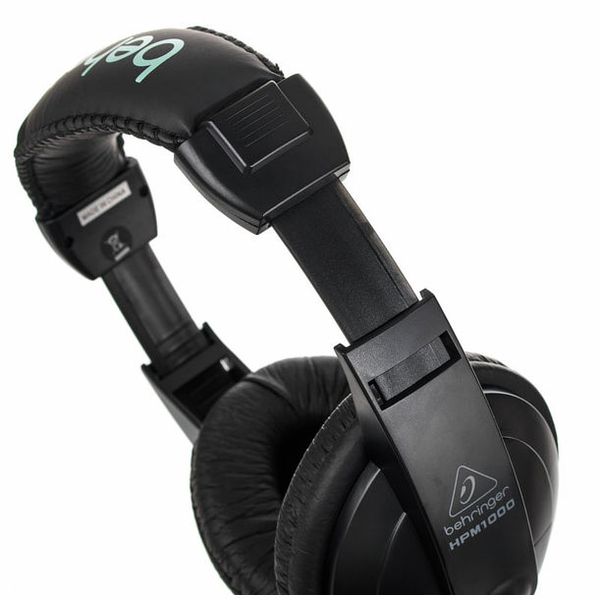
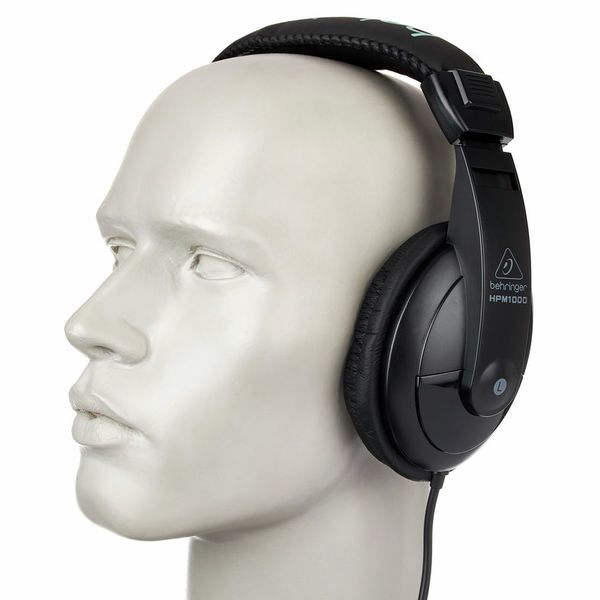
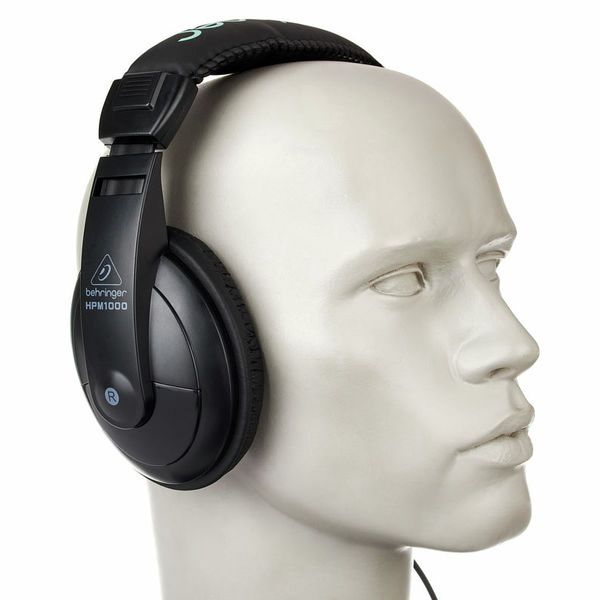
At first glance, the HPM1000-BK units display a straightforward design in black colour, emphasising practicality over luxury. They are lightweight and include comfortable foam ear pads that facilitate extended wear with minimal fatigue. Users report the headphones sit lightly on the head without exerting excessive clamping force, a notable advantage for prolonged sessions.
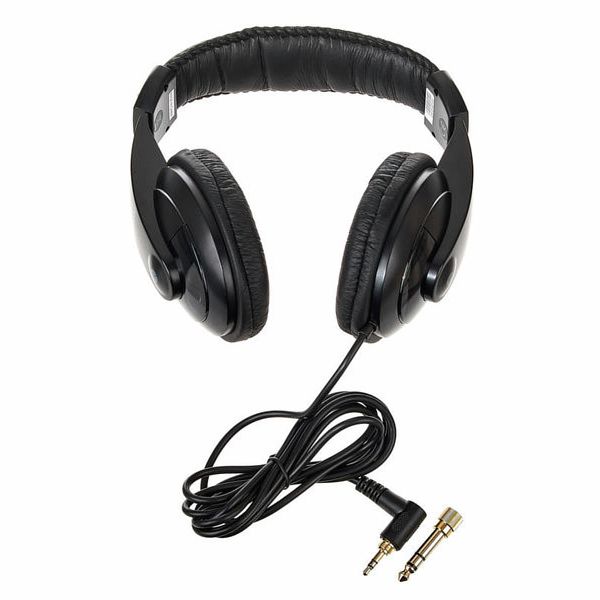
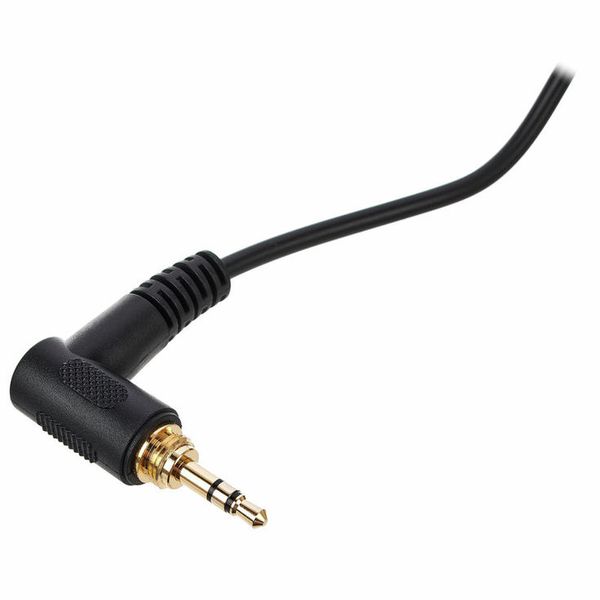
The closed-back system provides a significant degree of passive noise isolation from ambient sounds. The cable length measures 2.0 metres, equipped with a standard 3.5 mm stereo jack and an included 6.3 mm adapter, enhancing connectivity options with various audio setups.
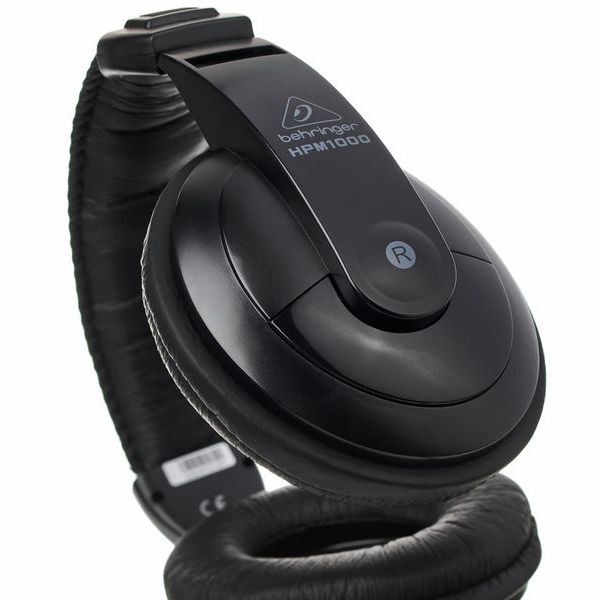
However, the build materials lean towards economy. The plastic housing and non-replaceable cable indicate potential fragility. Several users have experienced ear pad detachment after weeks of use and report occasional creaks during wear. These factors suggest a short lifespan if subjected to heavy or careless handling.
Sound Quality
The sound signature of the HPM1000-BK can be described as functional but modest. With a sensitivity of 105 dB at 1 kHz and maximum power consumption capped at 100 mW, the headphones deliver an adequate volume for general listening.
- Bass: Present yet prone to boominess rather than tight control. This may result in a muddled low end, unsuitable for critical listening.
- Midrange: Slightly emphasised, sometimes causing vocals and other mid-frequency elements to sound congested or indistinct.
- Treble: Underrepresented with limited clarity and detail, making the high frequencies feel recessed or dull.
Users primarily utilise these headphones for spoken word applications, such as multi-speaker radio broadcasts, where clinical audio fidelity is less critical. For music playback, the sound quality is acceptable for casual hearing but lacks the precision and balance required by audiophiles or professionals. It is not recommended for mixing, mastering, or other sound engineering tasks due to its colouring and limited frequency response accuracy.
Comfort and Usability
The over-ear design coupled with low weight significantly enhances wearing comfort. The absence of a tight fit allows for long sessions without discomfort or fatigue. The closed-back design helps reduce environmental noise, improving focus in noisy surroundings.
The 2-metre cable length is generous, although it can become cumbersome when used with portable devices carried in pockets. The cable’s rubberised material is non-sticky, which reduces entanglement and improves ease of movement compared to typical sticky cables.
Conclusion
For under £10, the Behringer HPM1000-BK headphones offer a budget solution with clear compromises. Their lightweight design and comfort make them suitable for basic, extended listening sessions where cost is the primary constraint. Construction quality and sound fidelity correspond closely to their price point, showing limitations in durability and tonal accuracy.
They are a pragmatic choice for secondary use, such as casual mobile listening, radio communication setups, or as a temporary backup pair. Users seeking higher fidelity, long-term durability, or professional-grade monitoring should consider investing in models with better build materials and more balanced sonic profiles.
In short, these headphones serve their purpose as disposable or entry-level audio gear, delivering adequate sound and comfort without additional frills.