
Field Test · Studio Gear Review
Behringer BH20
Technical Analysis of Behringer BH20 Over-Ear Headphones by Behringer
 Behringer
- Headphones
- This is what customers who viewed this product bought
- Accessories & matching items
- 2Customer ratings
- Compare options
- Smart Navigator
Spec Sheet
- Circumaural
- Closed-back design
- Dynamic
- Frequency range: 20 – 20000 Hz
- Impedance: 32 Ohm
- Max sound pressure level: 99 dB
- 40 mm Neodymium driver
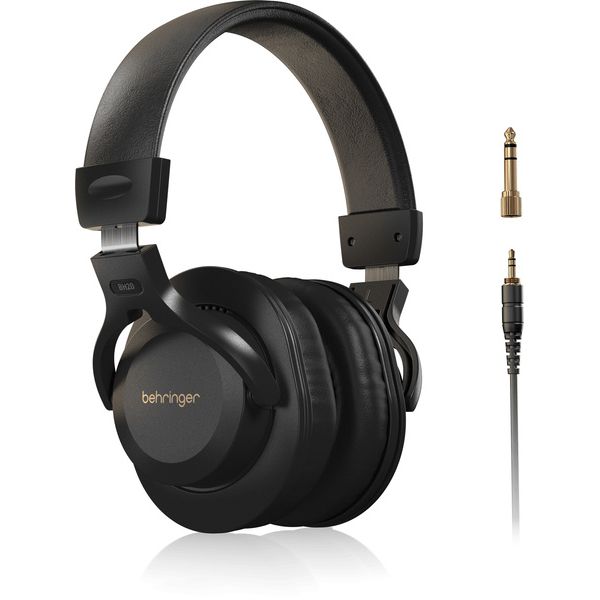
- Removeable, flat one-sided 3 m cable
- With 3.5 mm mini jack connector with 6.3 mm adapter
- Weight: 260 g
- Colour: Black
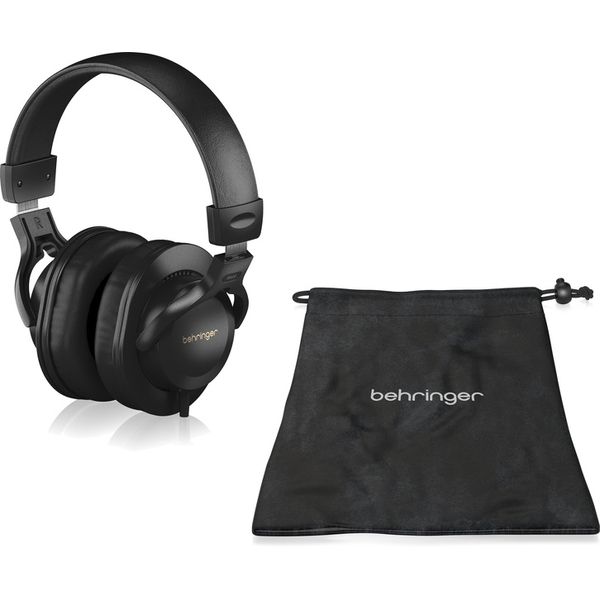
- Includes 6.3 mm adapter and carry bag
Studio Log
| Available since | October 2025 |
|---|---|
| Item number | 620350 |
| Sales Unit | 1 piece(s) |
| Design | Over-Ear |
| System | Closed Back |
| Impedance | 32 Ohms |
| Frequency range | 20 Hz – 20000 Hz |
| Adaptor | Yes |
| Replaceable Cable | No |
| Colour | Black |
| Max. SPL | 99 dB |
| Type Of Connector | Jack, mini-jack |
| Weight | 260 g |
Demo Footage
Field Photography

QC Pass — Field Test
Customer Review Summary
Behringer BH20 Overview
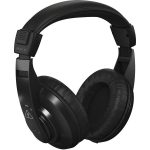
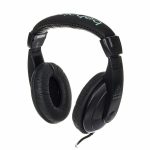
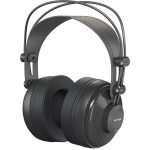
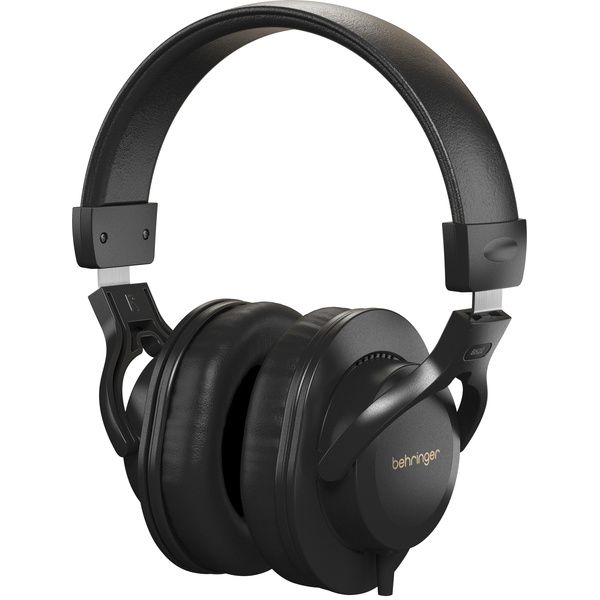
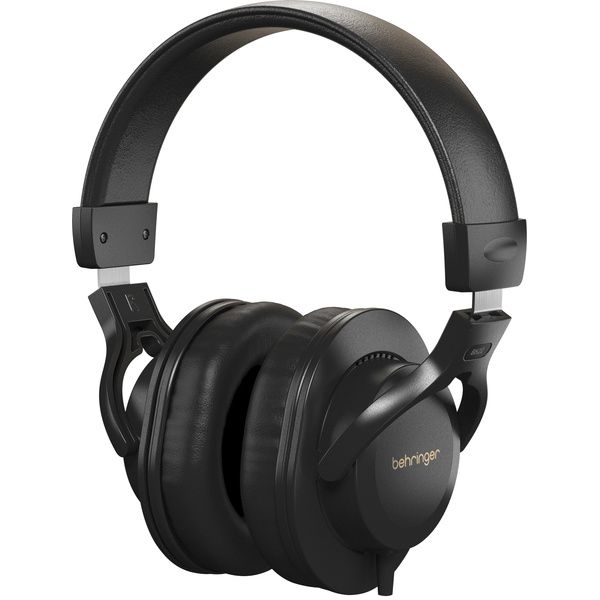
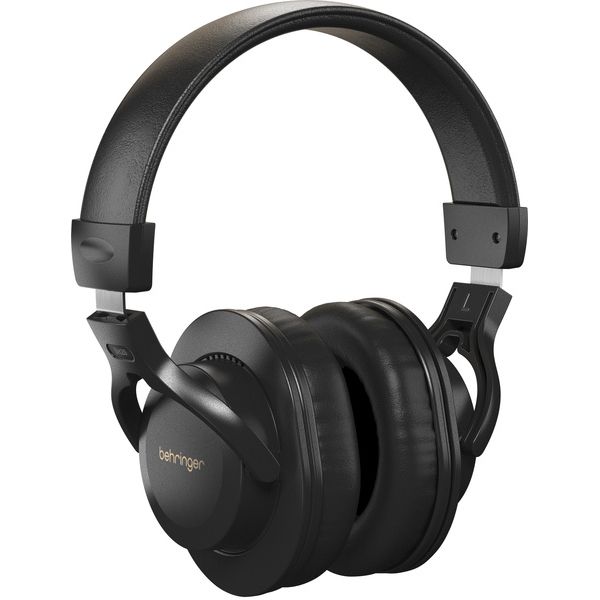
The Behringer BH20 headphones offer an entry-level closed-back design targeting budget-conscious users. Available since October 2025, these over-ear headphones weigh 260 grams and feature a circumaural fit for covering the ears entirely. The unit comes in black with a minimalist aesthetic, including a carrying bag and a 6.3 mm adapter alongside the standard 3.5 mm mini-jack connector.
Technical Specifications and Design
Driver and Frequency Response
The BH20 employs dynamic 40 mm neodymium drivers, which are a common choice in budget headphones to deliver adequate sound pressure at low cost. The frequency response ranges from 20 Hz to 20,000 Hz, covering the entire audible spectrum for humans. The stated maximum sound pressure level is 99 dB, which is sufficient for casual listening volumes but may lack impact for critical monitoring.
Impedance and Connectivity
The headphones have an impedance of 32 Ohms, making them compatible with a wide range of devices including smartphones and computers without requiring additional amplification. The connection is via a one-sided, flat 3-metre cable that is not replaceable, which could be a limitation for durability. The detachable 3.5 mm mini-jack is complemented by a 6.3 mm adapter, facilitating use with professional audio equipment.
Physical Comfort and Build
With a weight of 260 grams, the BH20 headphones are neither too heavy nor exceptionally light. The closed-back design is intended to isolate the listener from external noise, supporting usage in moderately noisy environments. However, the extent of sound isolation depends heavily on pad material and clamp force, elements unspecified here.
Sound Quality Assessment
Users report a pronounced emphasis on bass frequencies, described as overemphasised and muddy, which can obscure detail in the mid and high ranges. This characteristic may appeal to enthusiasts of bass-heavy music genres but is disadvantageous for those seeking a balanced or neutral sound signature. The midrange lacks clarity, and treble reproduction does not extend with notable sparkle or definition. This sound profile limits the BH20’s appeal for professional monitoring or nuanced listening experiences.
Usability and Practical Considerations
- Price Point: At £30, the BH20 is positioned firmly in the budget category.
- Portability: Despite a modest weight, the headphones include a carry bag but lack foldable hinges, reducing compactness for travel.
- Durability: The non-replaceable cable raises concerns regarding the long-term lifespan, particularly in a portable use case.
- Compatibility: The included adapter broadens system compatibility, supporting both consumer and professional gear.
Conclusion
The Behringer BH20 headphones offer a very affordable solution for users needing simple, closed-back headphones. While their frequency response range and driver size are respectable for the price, the audio quality falls short due to an overly bass-heavy signature and lack of detail in other frequency regions. The absence of a replaceable cable and the basic build quality further reduce their appeal. Users with higher demands on sound fidelity and durability should consider investing a few pounds more in alternatives that provide a clearer and more balanced listening experience.