
Field Test · Studio Gear Review
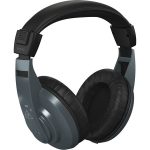
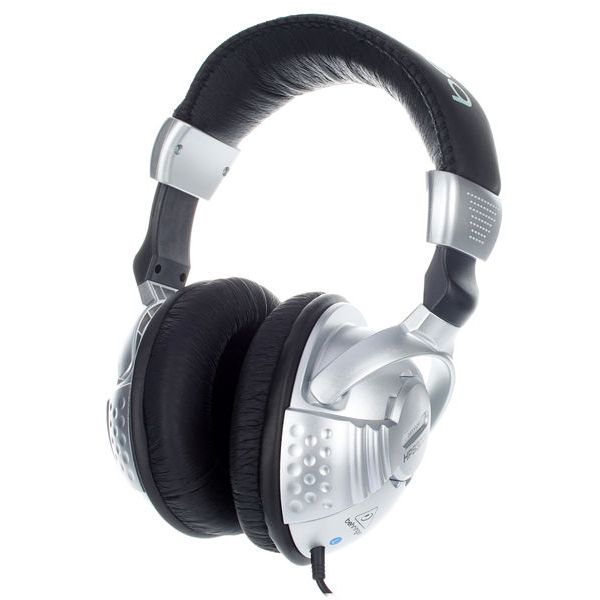
Behringer HPS3000
Behringer’s over-ear closed-back headphones with decent isolation and sound quality
 Behringer
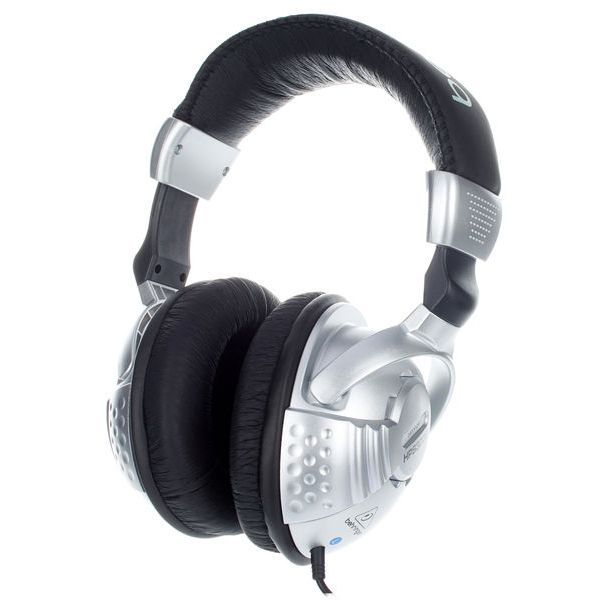
- Stereo Studio Headphones
- This is what customers who viewed this product bought
- Accessories & matching items
- 598Customer ratings
- Compare options
- Smart Navigator
Spec Sheet
- Wider transmission area
- Frequency response: 20 Hz – 20 kHz
- Cobalt capsule with high efficiency
- Capsule diameter: 40 mm
- Sensitivity: 110 dB @ 1 kHz
- Maximum input level: 100 mW
- Impedance: 64 ohms
- One-sided connection cable made of oxygen-free copper strands
- Cable length: 2.0 m
- Connection: 6.3 mm stereo connector
- Optimized, oval auricles
Studio Log
| Available since | February 2003 |
|---|---|
| Item number | 160750 |
| Sales Unit | 1 piece(s) |
| Design | Over-Ear |
| System | Closed Back |
| Impedance | 64 Ohms |
| Frequency range | 20 Hz – 20000 Hz |
| Adaptor | Yes |
| Replaceable Cable | No |
| Colour | Black/Silver |
| Max. SPL | 110 dB |
| Type Of Connector | Jack |
Demo Footage
Field Photography
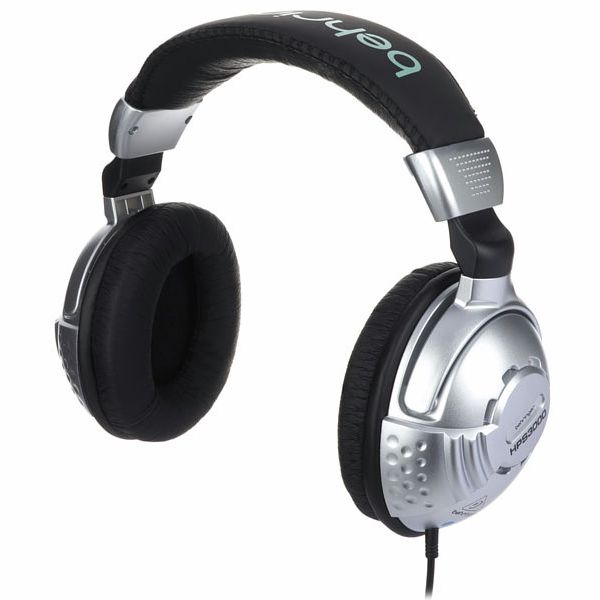
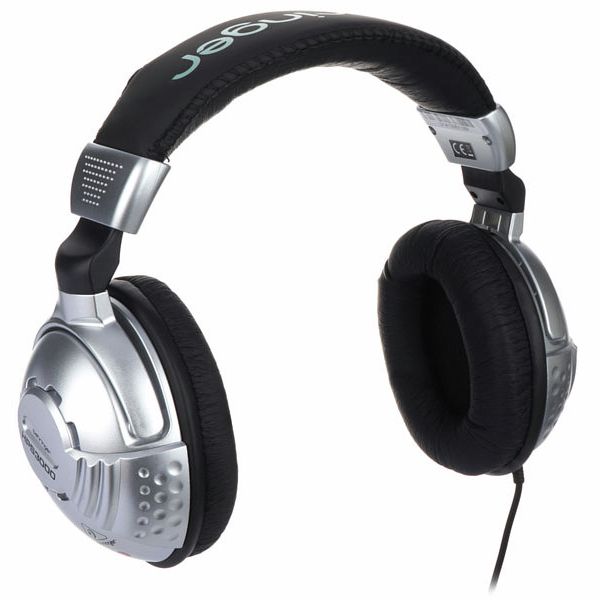
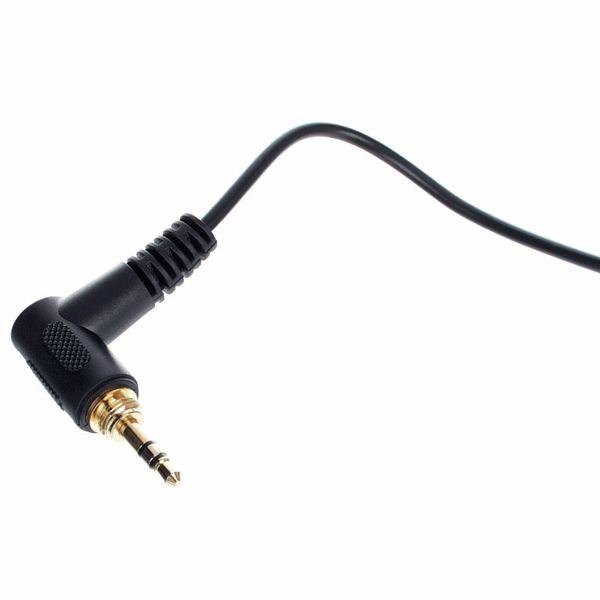
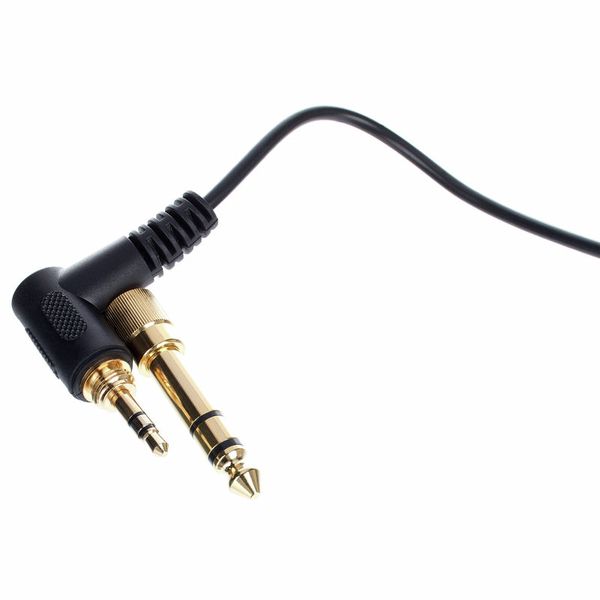
QC Pass — Field Test
Customer Review Summary
Overview
The Behringer HPS3000 headphones present an economical option for users seeking over-ear, closed-back headphones primarily geared towards casual use and basic monitoring tasks. Priced at just £8.50, these headphones deliver a frequency range of 20 Hz to 20 kHz, with an impedance of 64 ohms and a maximum sound pressure level (SPL) of 110 dB. Launched in 2003, the HPS3000 remains a relevant choice for budget-conscious musicians and hobbyists.
Design and Comfort
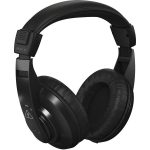
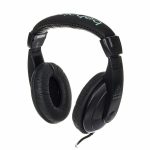
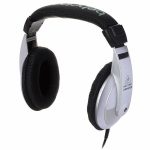
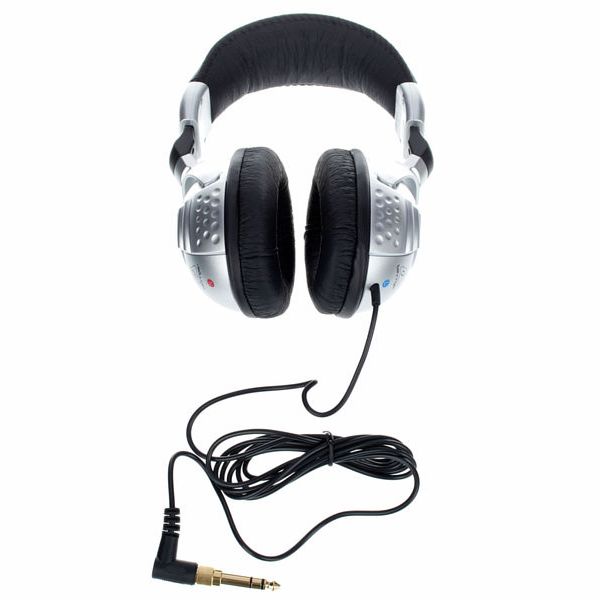
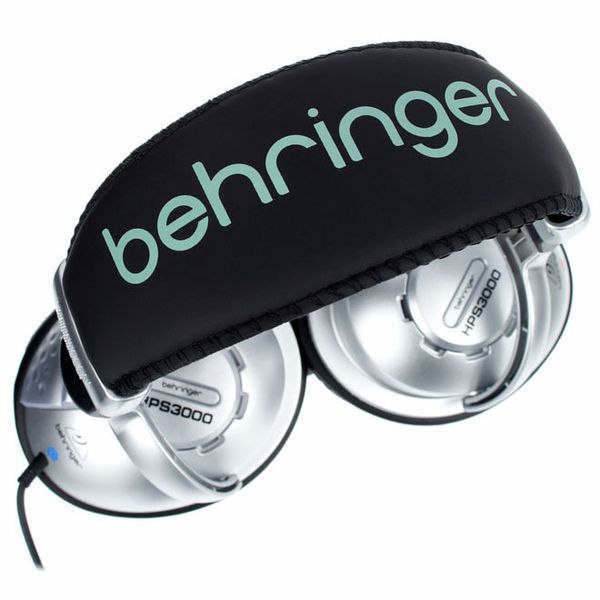
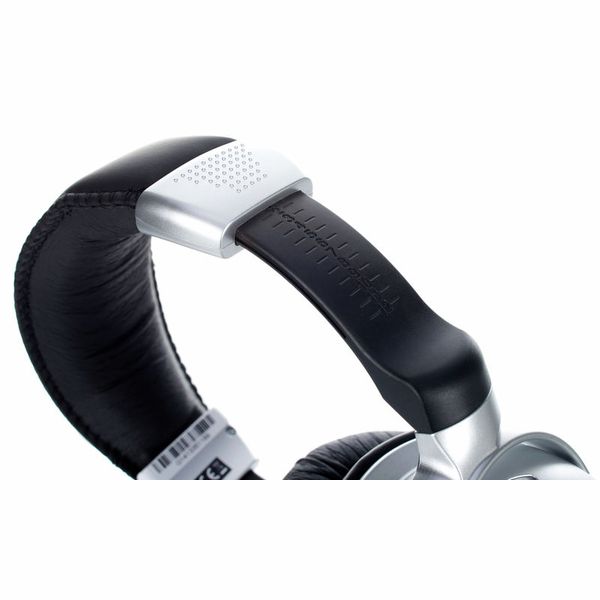
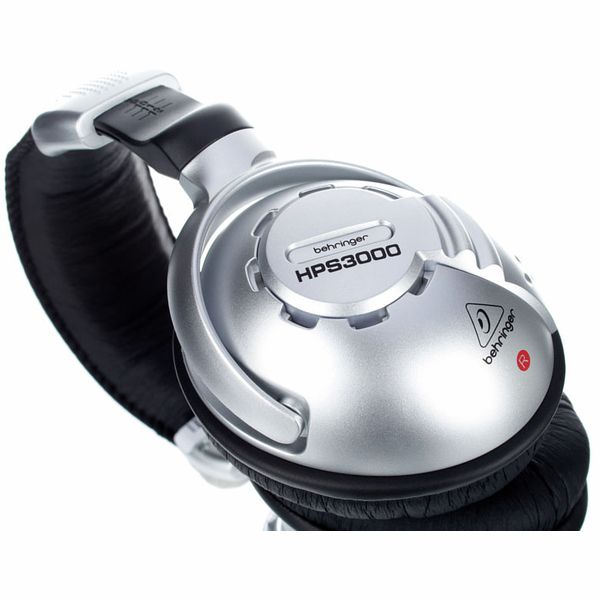
The HPS3000 features a closed-back design with oval, over-ear earcups intended to provide decent passive noise isolation. The ear pads and headband are padded, offering light cushioning. Most users find the headphones comfortable for short to medium sessions, typically under an hour. However, longer periods can lead to discomfort due to a relatively tight clamping force and limited ventilation.
The construction utilises predominantly plastic components, resulting in a lightweight build. Though this keeps the headphones light enough for casual wear, the plastic feels somewhat fragile and less durable than pricier alternatives. The provided cable is a fixed 2-metre length made from oxygen-free copper strands, contributing to a basic but functional setup. The cable is neither replaceable nor particularly robust, necessitating careful handling to avoid damage.
Sound Quality
Sound reproduction with the HPS3000 is generally balanced but leans towards emphasizing midrange and treble frequencies, with a noticeable spike in the mid-highs. Bass response is present and punchy, albeit lacking the refinement and depth found in higher-end models. This can produce fatigue over extended listening periods, especially at higher volumes. Distortion may also occur if the volume is pushed near maximum levels.
Despite some coloration, the headphones allow for clear articulation of vocals and most instruments, making them viable for basic monitoring during recording sessions. Isolation is adequate to prevent significant sound leakage, which is beneficial in multi-user environments such as home studios or band rehearsals. However, they are not recommended for critical mixing or mastering tasks, where precision and neutrality are paramount.
Practical Use Cases
- Casual listening: Suitable for everyday music playback, podcasts, and video consumption, though not ideal for audiophiles or long listening sessions due to comfort and sound limitations.
- Tracking and basic monitoring: Favoured by musicians and home studio users on a budget for recording vocals and instruments, especially for collaborators who require inexpensive headphones.
- Drummers and live performers: Effective at isolating stage noise and maintaining comfort during rehearsals, though prolonged gig use may cause heat accumulation around the ears.
- Mobile or secondary use: Prized as a durable, low-cost spare pair where concerns about accidental damage are high, such as mobile recording setups or shared studio environments.
Limitations
The HPS3000 is not intended for professional studio tasks demanding high fidelity sound. The build quality, while reasonable for the price, features plastic parts that can degrade with extended use. Some users have noted the ear cushions and headband padding surface peeling after a couple of years. The cable’s non-replaceable nature and modest thickness raise durability concerns for intensive daily use.
High impedance at 64 ohms means low-output devices may require higher volume settings to achieve satisfactory loudness. Additionally, the tight fit may cause discomfort or pressure headaches during longer wear. Ventilation is poor, leading to ear sweating especially in warm environments.
Conclusion
The Behringer HPS3000 headphones offer a remarkably good balance of sound quality and comfort for their minimal cost. They are well-suited for amateur musicians, casual listeners, and budget studios needing a basic closed-back headphone for short-term monitoring and tracking. While the sonic performance is not flawless, and build quality is modest, these headphones deliver value that exceeds expectations for under £10.
Users seeking transparent audio reproduction or extended comfort may want to consider higher-tier models. Nonetheless, for straightforward, everyday use without demanding critical listening, the HPS3000 stands as an unbeatable bargain that can serve reliably when treated with care.