
Field Test · Studio Gear Review
the t.bone HD 200
Technical assessment of the the t.bone HD 200 closed-back headphones
 the t.bone
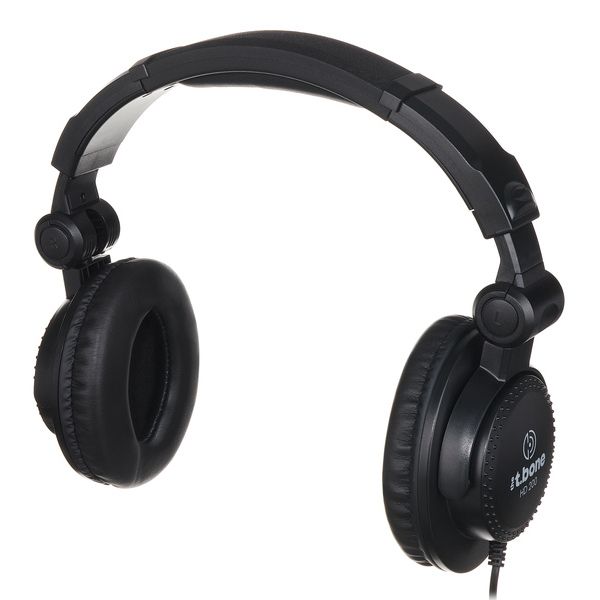
- Headphones
- This is what customers who viewed this product bought
- Accessories & matching items
- 2656Customer ratings
- Compare options
- Smart Navigator
Spec Sheet
- Circumaural
- Closed
- Rotatable earcups
- 57 mm driver
- Frequency range: 20 – 20,000 Hz
- Sensitivity: 110 dB
- Impedance: 32 Ohm
- Max. input level: 100 mW
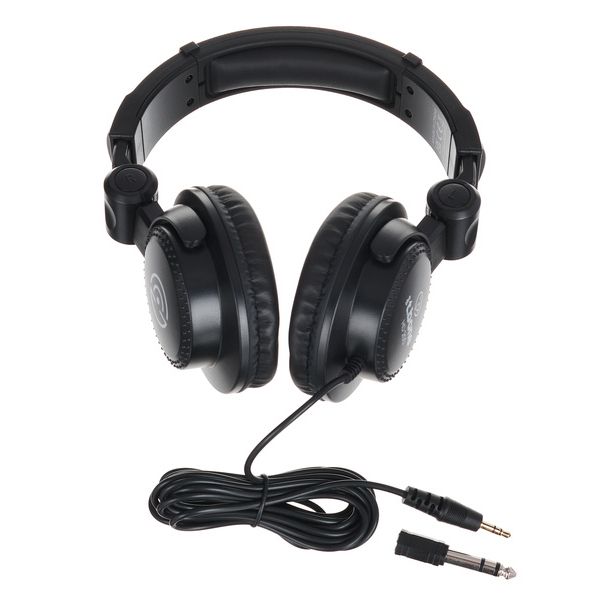
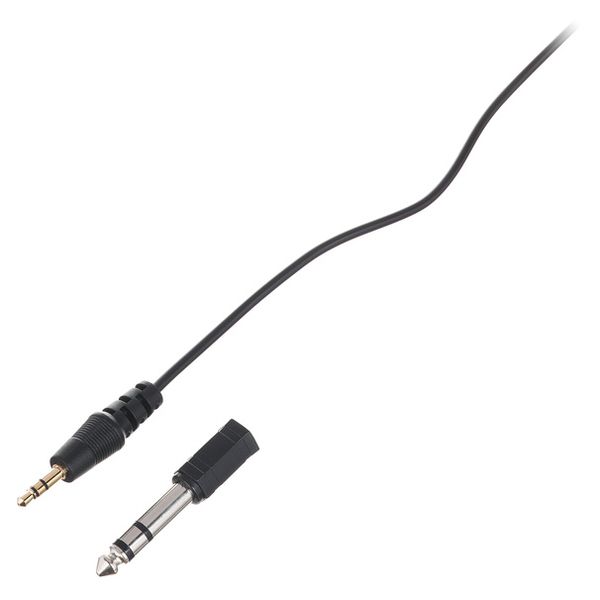
- 3 m cable with 3.5 mm jack plug and 6.3 mm adapter
- Weight without cable: 244 g
Studio Log
| Available since | March 2017 |
|---|---|
| Item number | 399657 |
| Sales Unit | 1 piece(s) |
| Design | Over-Ear |
| System | CLosed Back |
| Impedance | 32 Ohms |
| Frequency range | 20 Hz – 20000 Hz |
| Adapter | Yes |
| Replacable Cable | No |
| Marrone/Argento | Black |
| Sensitivity | 110 dB |
| Type Of Connector | Mini Jack |
| Type Of connector | Jack, mini jack |
| Weight | 244 g |
| Colour | Black |
Demo Footage
Field Photography
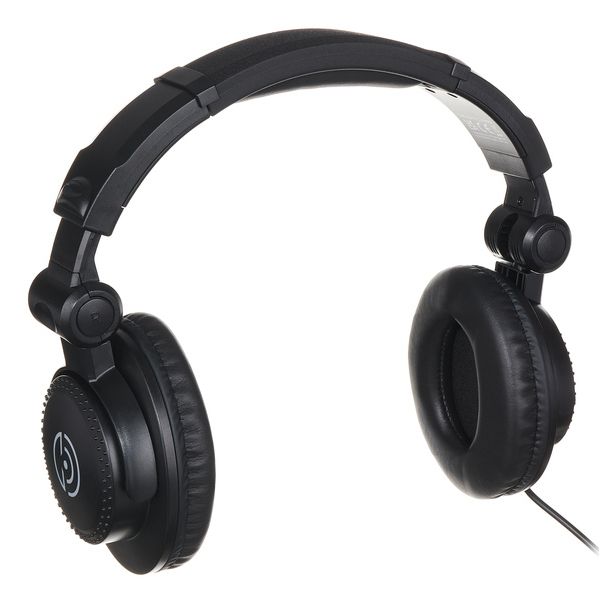
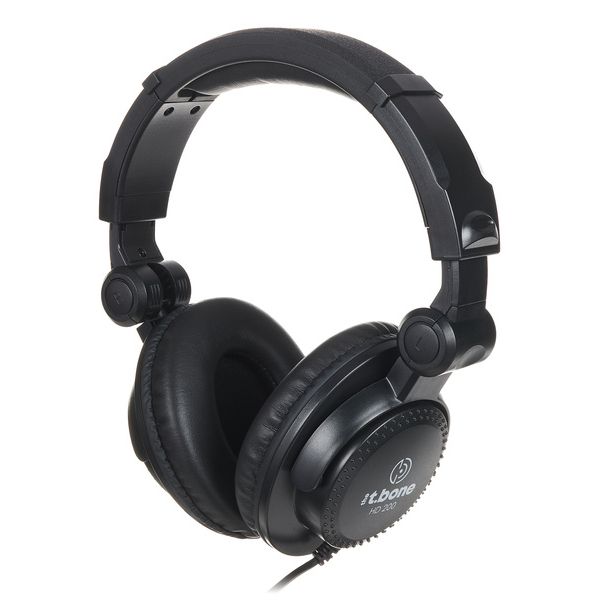
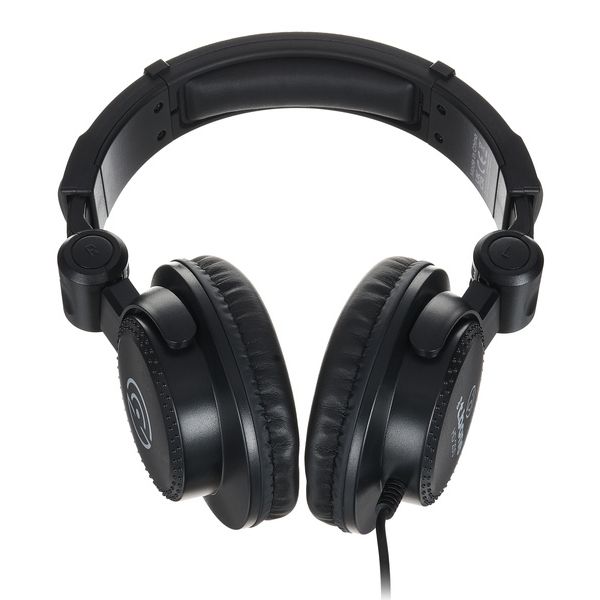
QC Pass — Field Test
Customer Review Summary
Introduction
The the t.bone HD 200 are closed-back, over-ear headphones designed for music practice, casual listening, and electronic instruments. Released in 2017 at a budget price of £17.60, these headphones target beginners or users needing an inexpensive, no-frills option. They sport a 57 mm driver, 32 Ohm impedance, 110 dB sensitivity, and cover the standard 20 Hz to 20,000 Hz frequency range. We put these headphones under scrutiny to evaluate their performance, comfort, and build quality in relation to their price.
Design and Build
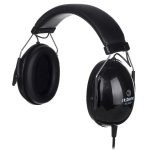
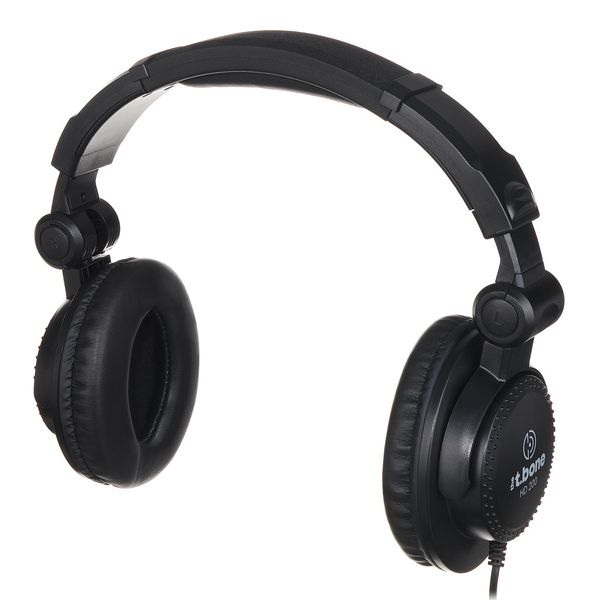
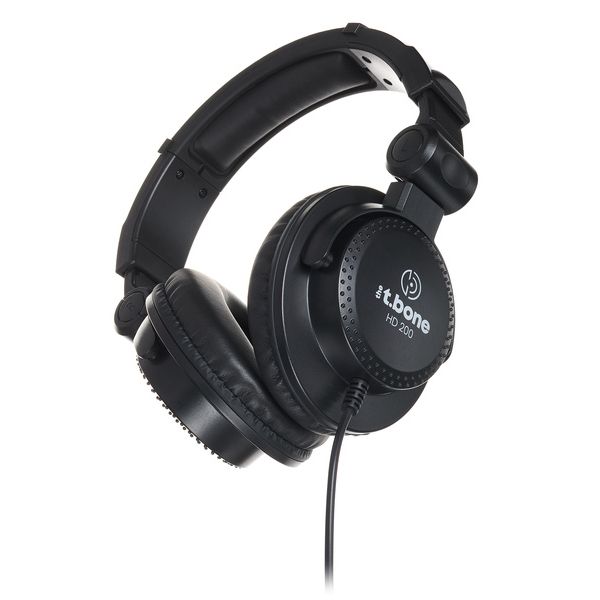
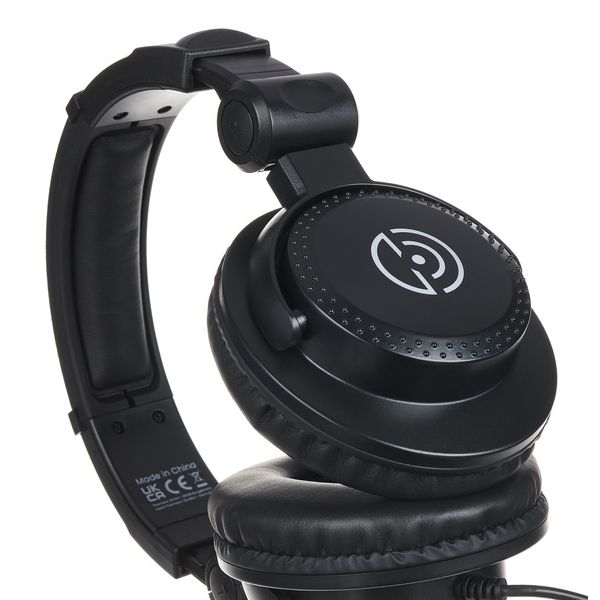
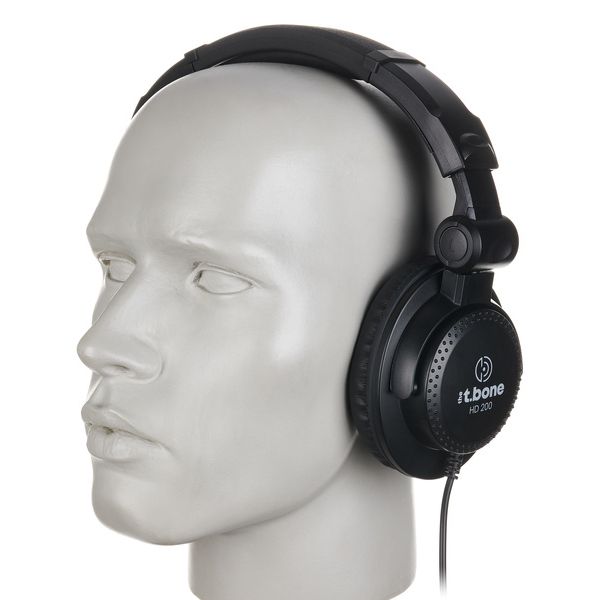
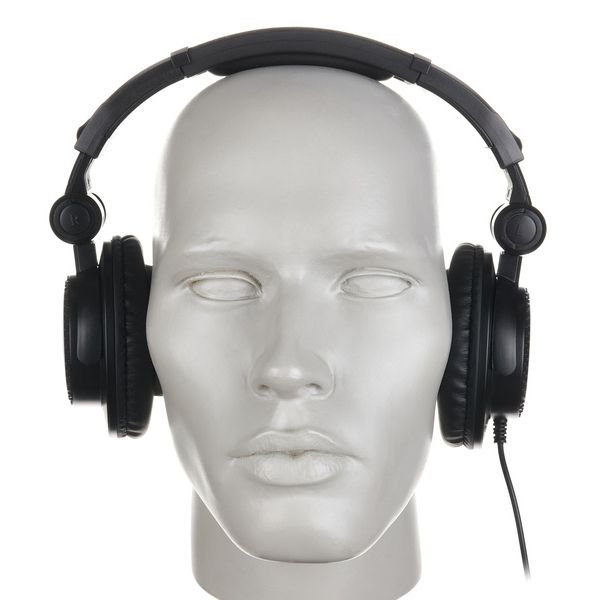
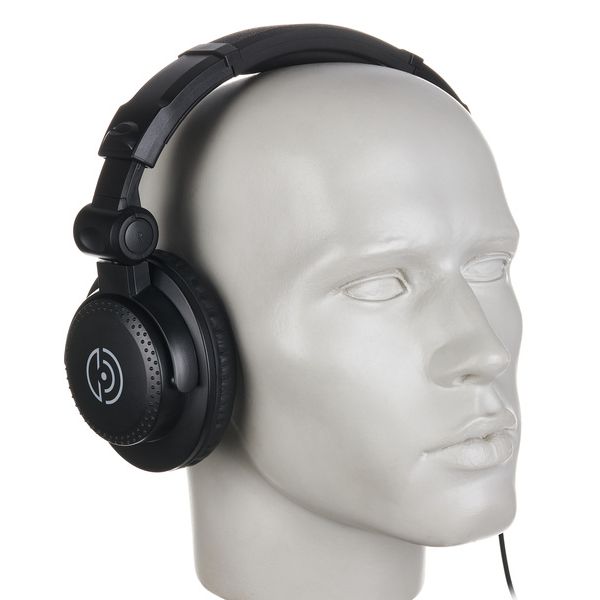
The HD 200 feature a circumaural, closed-back design with rotatable earcups in black plastic construction, weighing 244 g without cable. The 3 m cable terminates in a 3.5 mm mini-jack, and includes a 6.3 mm adapter. While the cable length benefits freedom of movement, cable quality is basic rubber and not replaceable, which could impact lifespan.
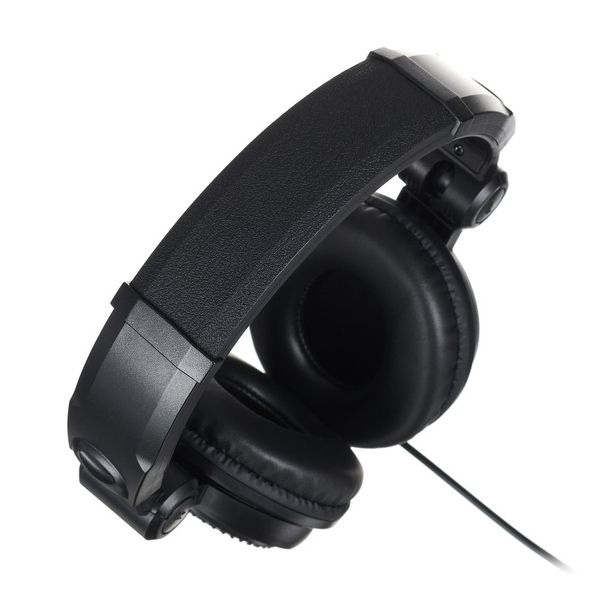
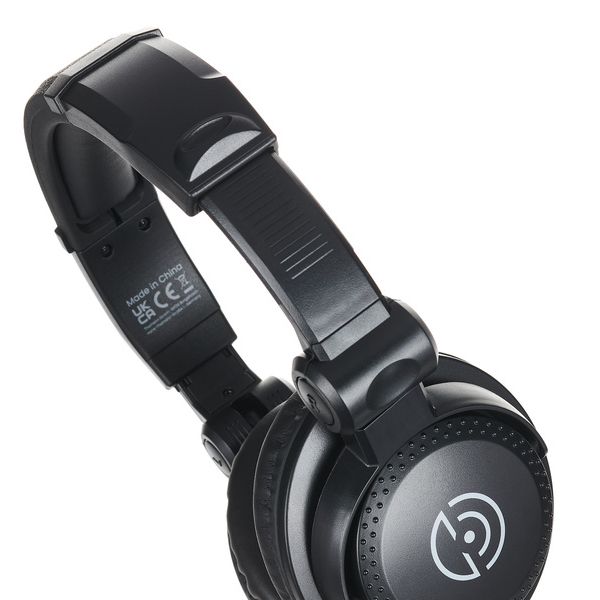
Constructed predominantly from plastic, the headphones feel lightweight but exhibit some fragility. There have been multiple reports of parts, especially the adjustable headband sections, breaking after extended use. The supplied 6.3 mm adapter sometimes arrives slightly bent, though it functions correctly. Overall, the build quality aligns with expectations for an entry-level product but lacks premium materials or enhanced durability.
Sound Quality
The HD 200 deliver clear, warm sound that adequately covers the audible spectrum from bass to treble without significant coloration. Bass response is present but not deep or pronounced, mids are reasonably balanced, and highs are detailed yet unobtrusive. Sensitivity allows for good volume levels up to a maximum input of 100 mW without distortion, although some users have noted the headphones do not reach exceptionally loud volumes on certain instruments.
While the headphones highlight midrange frequencies, useful for drummers or keyboard practice, their neutrality also means they lack excitement or enhanced tonal character that audiophiles might seek. Leakage and background noise isolation are effective for a closed-back design in this price bracket, though not comparable to higher-end alternatives. For casual practice and general music listening, the sound quality is acceptable.
Comfort and Fit
Comfort is a significant limitation of the t.bone HD 200. The earcups apply considerable clamping force, which, combined with relatively thin padding, leads to discomfort or ear fatigue during sessions longer than 30 to 45 minutes. Users wearing glasses report additional pressure points. The circumaural design does not fully envelop the ears for all head sizes, especially larger ones, causing direct contact of hard plastic on ears.
Adjustability is limited; the headband’s range does not adequately accommodate larger head shapes, and the earcups’ padding material is thin and firm. While the headphones remain lightweight, their rigidity reduces wearability for extended practices or long listening sessions. Breaks are recommended to mitigate discomfort.
Usage Scenarios
- Electronic drum and keyboard practice: The long cable and closed-back design suit home rehearsal without disturbing others, with suitable sound clarity for note differentiation.
- Casual music listening: The sound quality is fair given the low price, though not ideal for audiophile-grade listening or professional music production.
- Gaming and multimedia: Comfortable enough for moderate sessions, providing decent immersion and noise isolation.
- Studio use: Not recommended for mixing or mastering due to limited bass response and sound precision.
Pros and Cons Summary
- Pros: Affordable price; decent overall sound clarity and frequency range; long 3 m cable with 6.3 mm adapter; lightweight; good noise isolation for the category.
- Cons: Uncomfortable for prolonged use due to firm padding and tight clamping force; limited headband adjustment; fragile plastic parts prone to breakage; non-replaceable thin rubber cable; moderate volume output on certain devices.
Conclusion
The the t.bone HD 200 headphones provide a balanced audio experience appropriate for budget-conscious users who require basic sound isolation and clarity in practice or casual environments. Their construction and comfort limitations restrict them from professional or extended use. With a price point under £20, they deliver good value, especially as bundled accessories for electronic instruments or for beginners in need of a simple solution.
Users should weigh their tolerance for comfort issues against the affordability and sound performance. For occasional practice sessions or multimedia playback, the HD 200 could suffice. However, those seeking robust durability, higher volume capabilities, and sustained comfort will likely need to consider more expensive alternatives.