
Field Test · Studio Gear Review
Superlux HD-651 Red
Testing the Superlux HD-651 Red’s sound and build quality for studio use
 Superlux
- Headphones
- This is what customers who viewed this product bought
- Accessories & matching items
- 84Customer ratings
- Compare options
- Smart Navigator
Spec Sheet
- Circumaural (full size)
- Closed back
- Dynamic
- Neodymium Magnet
- Peak SPL: 98 dB
- Impedance: 32 Ohm
- Frequency range: 20 – 20.000 Hz
- Max input power: 200 mW
- Cable length: 2 m
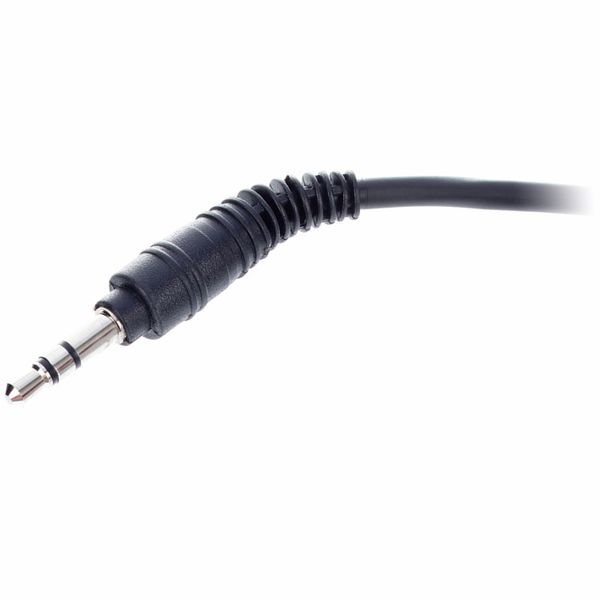
- 3,5 mm Stereo jack
- Weight with cable: 185 g
- Weight without cable: 149 g
- Colour: Red
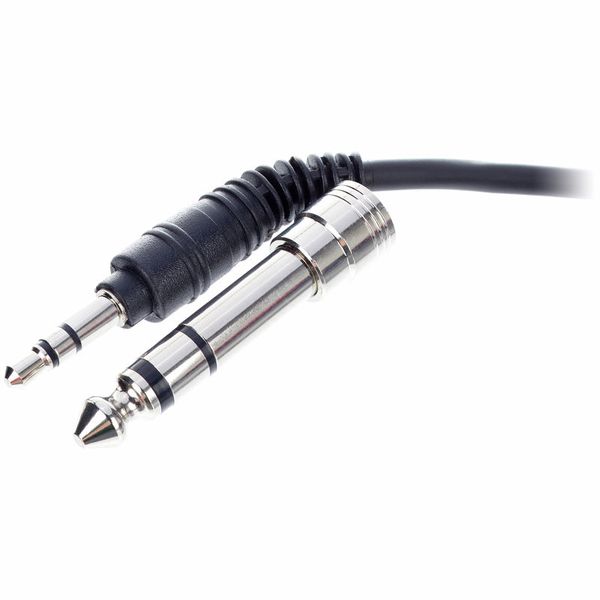
- Includes: Adapter with 6,3 mm Stereo jack
Studio Log
| Available since | December 2010 |
|---|---|
| Item number | 248150 |
| Sales Unit | 1 piece(s) |
| Design | Over-Ear |
| System | CLosed Back |
| Impedance | 32 Ohms |
| Frequency range | 20 Hz – 20000 Hz |
| Adapter | Yes |
| Replacable Cable | No |
| Marrone/Argento | Red |
| Sensitivity | 98 dB |
| Type Of Connector | Mini Jack |
| Weight | 149 g |
Demo Footage
Field Photography
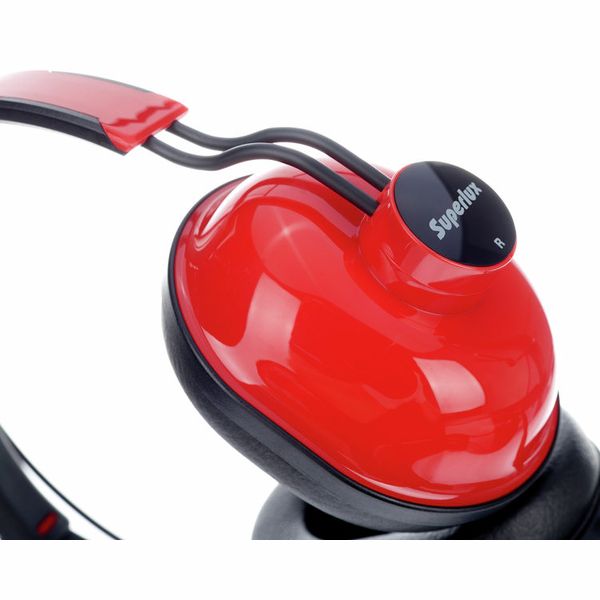
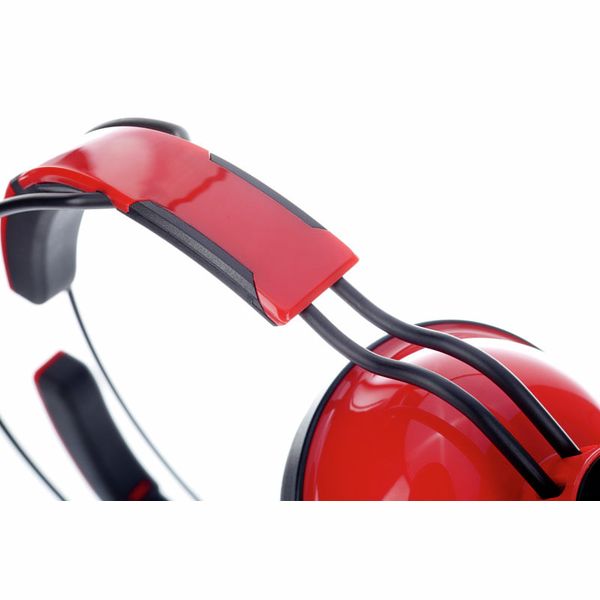
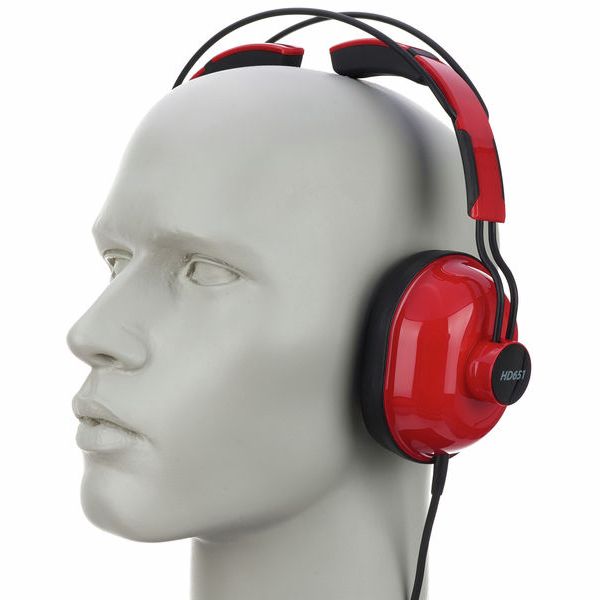

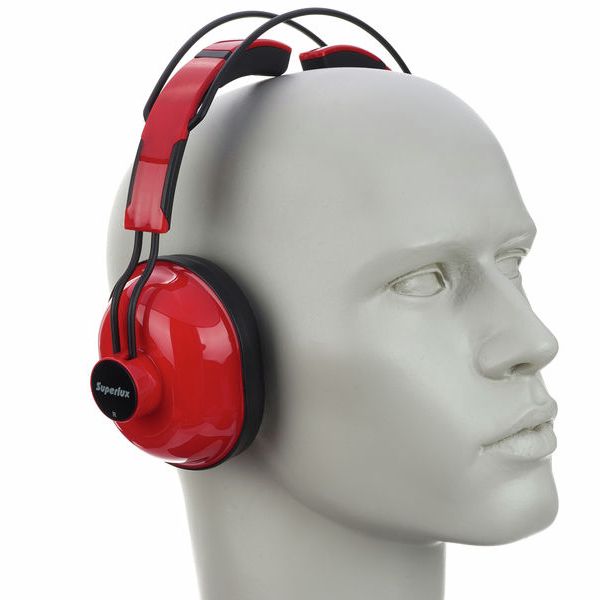
QC Pass — Field Test
Customer Review Summary
[META]Affordable and isolating, the Superlux HD-651 Red offers decent sound but suffers in comfort and finish, ideal for multi-user recording setups.Introduction
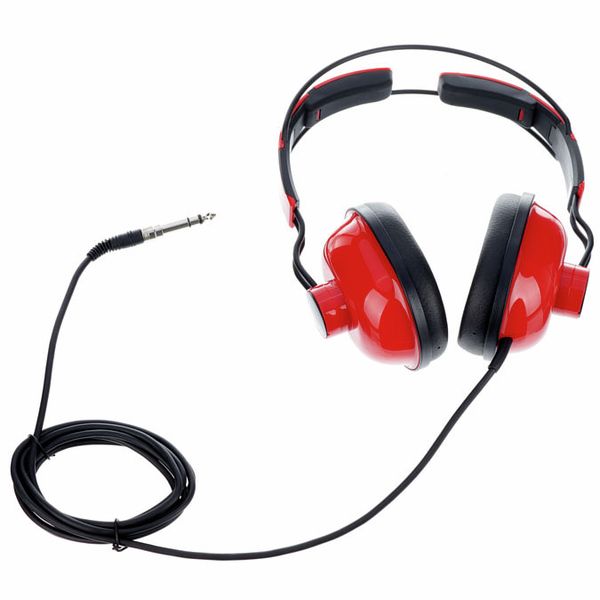
The Superlux HD-651 Red is an over-ear, closed-back headphone model released in late 2010, positioned at an extremely low price point of around £10.50. Its design features a 32-ohm impedance, a frequency response ranging from 20 Hz to 20 kHz, and a neodymium dynamic driver. Included are a 2-metre fixed cable terminating in a 3.5 mm mini-jack and an adapter to a 6.3 mm jack. We put these headphones to the test, focusing on sound reproduction, comfort, build quality, and suitability for recording or casual use.
Sound Quality
The HD-651 Red delivers a sound signature that reflects its budget status. Bass response is present but neither particularly tight nor clean, occasionally lending a muddy character to lower frequencies. Midrange detail is somewhat washed-out, lacking clarity and crispness which renders vocals and instruments less defined. The treble is subdued and dull, which results in a generally flat and unimpressive top end.
Despite a peak sensitivity of 98 dB and decent isolation from ambient noise, these headphones are not tuned for critical listening or mixing. The sound is serviceable for background playback, simple tracking tasks, or practising with amplified instruments where absolute sonic fidelity is of lesser importance. When volume levels are raised to compensate for softness in upper frequencies, some minor distortions and harshness become apparent.
Comfort and Fit
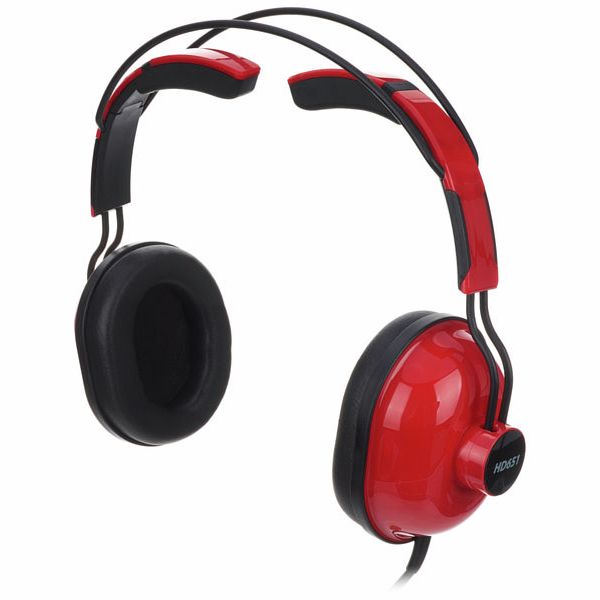
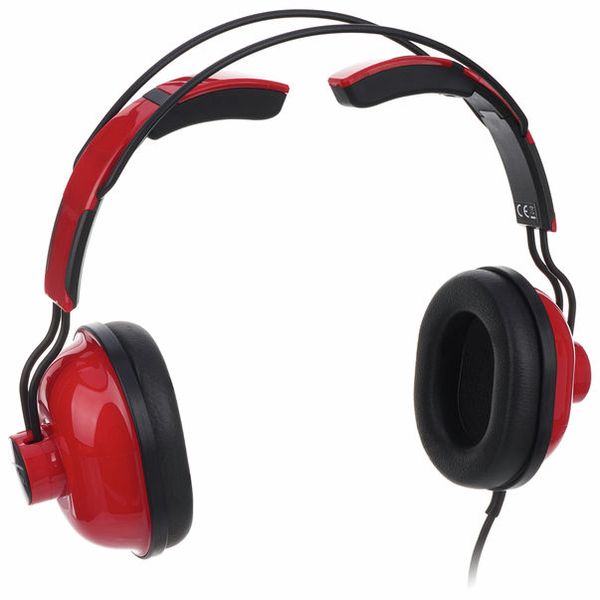
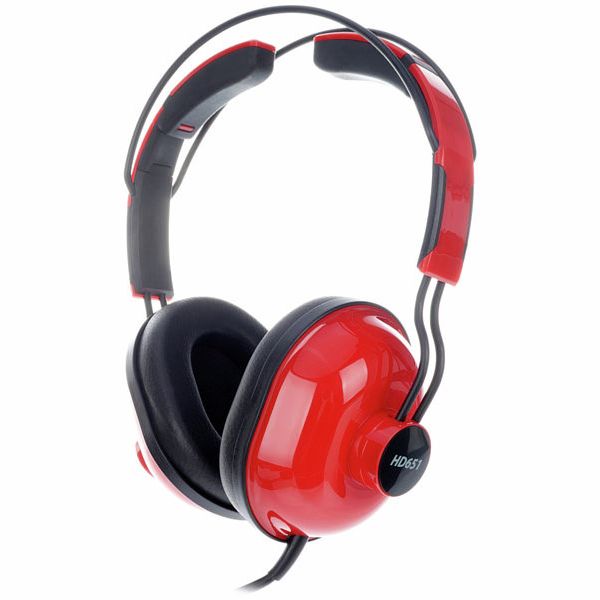
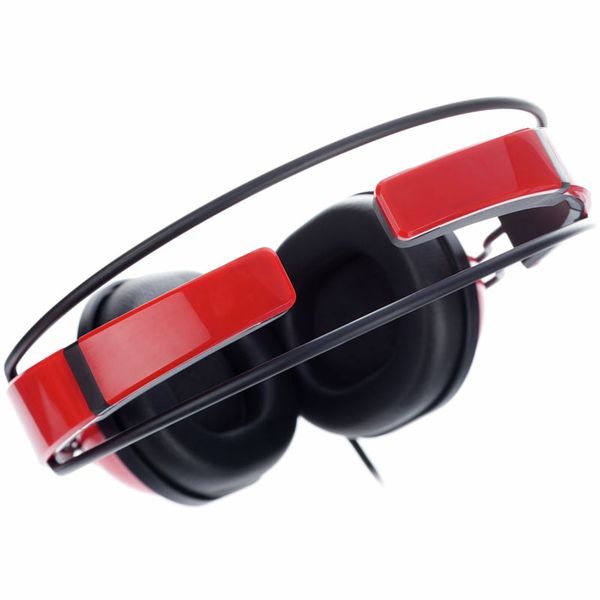
One of the major drawbacks identified is the fit and comfort during extended use. Although described as circumaural in specifications, the ear pads rest more as supra-aural, sitting directly on the ears rather than enclosing them fully. The headband lacks continuous padding and adjustment options, leading to considerable pressure on the top of the head and unpleasant pinching sensations after approximately thirty minutes.
The ear cups are not especially large, favouring users with smaller heads or ears but often causing discomfort for those with larger skull dimensions. The fixed cable does not present tangling issues due to its length and flexibility, but the lack of a replaceable cable introduces potential longevity concerns.
Build Quality
The construction utilises predominantly plastic components, making the headphones lightweight (149 grams without cable, 185 grams with). This contributes to portability, but also compromises robustness. The headband’s two plastic arms have occasionally been reported to loosen or break under stress, although they can be reassembled. Ear cushion coverings are of basic foam and synthetic leather materials, prone to wear.
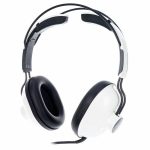
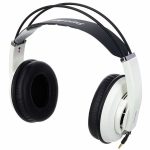
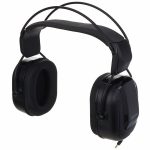
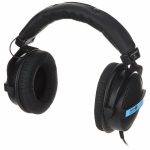
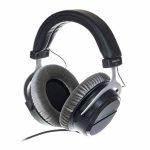
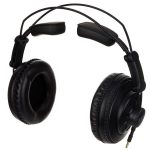
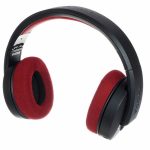
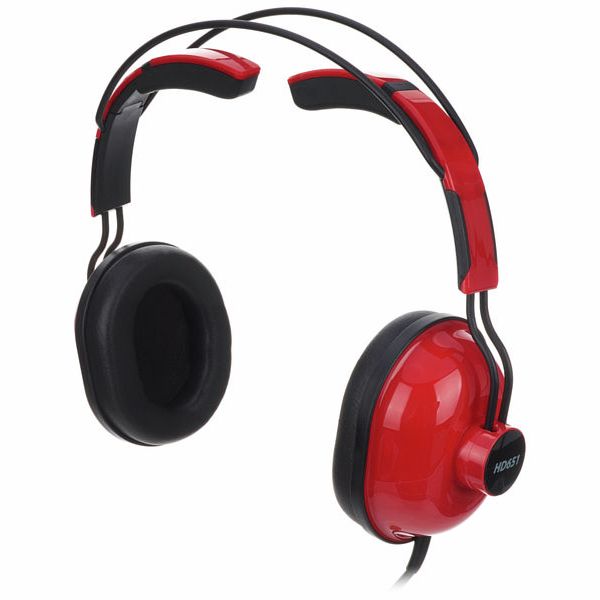
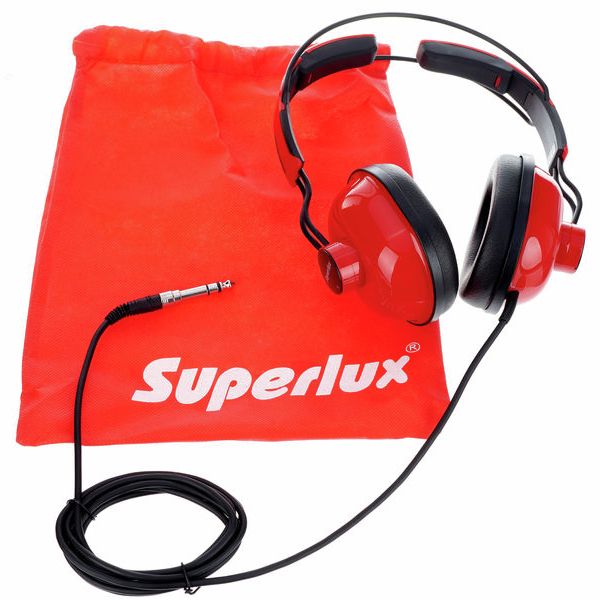
The colour scheme in red with silver accents stands out visually, which some users appreciate as an aesthetic advantage for the price bracket. The inclusion of a 6.3 mm adapter and storage pouch adds practical value.
Isolation and Use Cases
A strong positive of the HD-651 Red is its noise isolation capability, attributed to its closed-back design and snug fit. This makes them effective in preventing audio bleed during simultaneous recordings, a reason some users have acquired multiple units for ensemble tracking. Isolation performance is well above average for budget headphones, making these a sensible choice for low-cost monitoring in noisy environments or schools.
The limitations in sound fidelity and comfort mean these headphones are best suited for short sessions or auxiliary monitoring rather than critical mixing, mastering, or long-duration listening.
Conclusion
The Superlux HD-651 Red offers an appealing price tag combined with respectable isolation, making it viable for beginners, schools, or multi-person recording setups with tight budgets. Sound quality is adequate but limited by muddy bass, recessed mids, and lacklustre highs. Build quality is modest; the plastic construction and headband design reduce comfort and durability over long use.
For anyone needing a reliable, inexpensive headphone for monitoring backing tracks, practising instruments, or casual listening where comfort and top-tier sound are secondary, the HD-651 Red presents a reasonable option. Those seeking sustained comfort, adjustability, and accurate sound reproduction should consider investing in a higher-spec model.