
Field Test · Studio Gear Review
Avantone Mixphones MP-1
In-depth test of Avantone’s over-ear closed-back mixing headphones
 Avantone
- Studio Headphones
- Accessories & matching items
- 26Customer ratings
- Compare options
- Smart Navigator
Spec Sheet
- Closed
- Circumaural
- Large 50 mm driver
- Impedance: 16 Ohm
- Sound pressure level: 113 dB
- Transmission range: 18 – 25,000 Hz
- 2 detachable cables: 3 m straight cable, approx. 1 m coiled cable
- Screw-on stereo adapter 3.5 / 6.3 mm
- Weight: 550 g
- Incl. Carrying bag
Studio Log
| Available since | June 2016 |
|---|---|
| Item number | 391831 |
| Sales Unit | 1 piece(s) |
| Design | Over-Ear |
| System | Closed Back |
| Impedance | 16 Ohms |
| Frequency range | 18 Hz – 25000 Hz |
| Adaptor | Yes |
| Replaceable Cable | Yes |
| Colour | Black/Gold |
| Max. SPL | 113 dB |
| Type Of Connector | Jack(stereo) |
| Weight | 550 g |
Demo Footage
Field Photography
QC Pass — Field Test
Customer Review Summary
Introduction
The Avantone Mixphones MP-1, available since mid-2016 at approximately £127, position themselves as serious contenders for studio monitoring headphones. Marketed as over-ear, closed-back cans with a notably low impedance of 16 ohms, these headphones aim to deliver accuracy, comfort and versatility for the mixing engineer or musician. Their design includes features such as interchangeable cables with screw-lock mechanisms and a switch to alternate between stereo, mono and a “contoured” mode intended to mimic Avantone’s Mixcube speakers.
Design and Build Quality
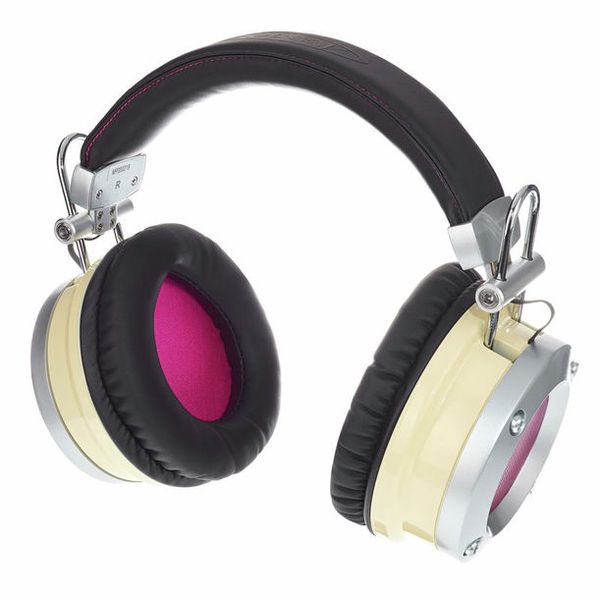
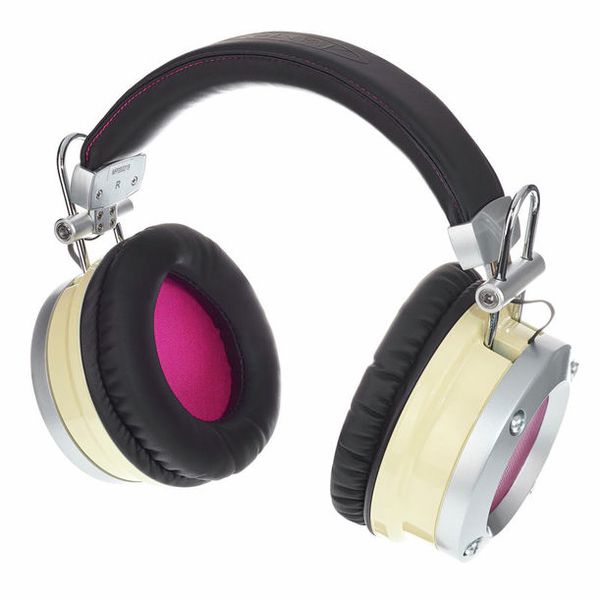
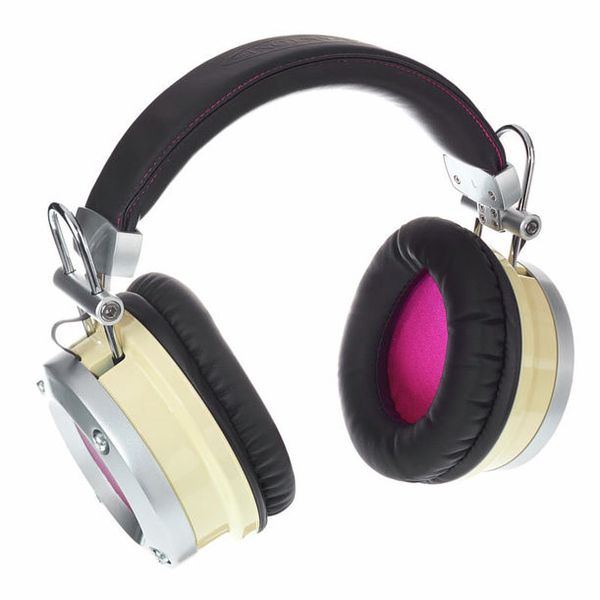
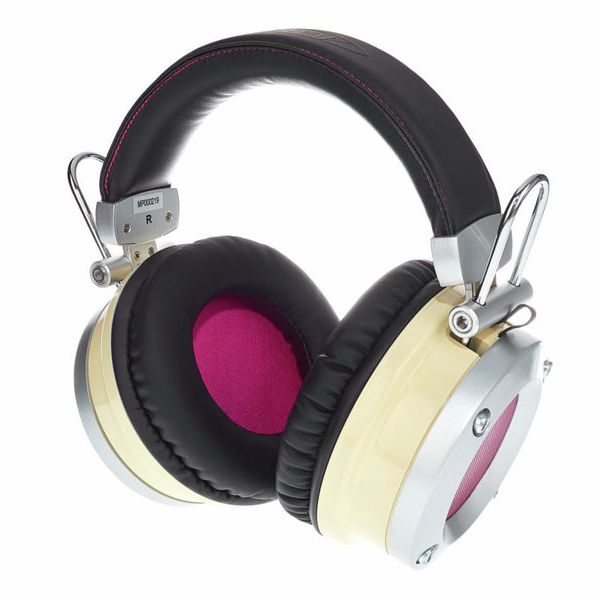
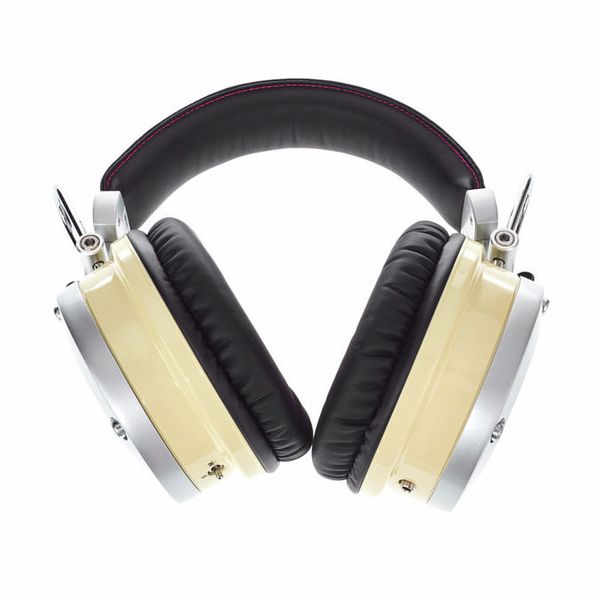
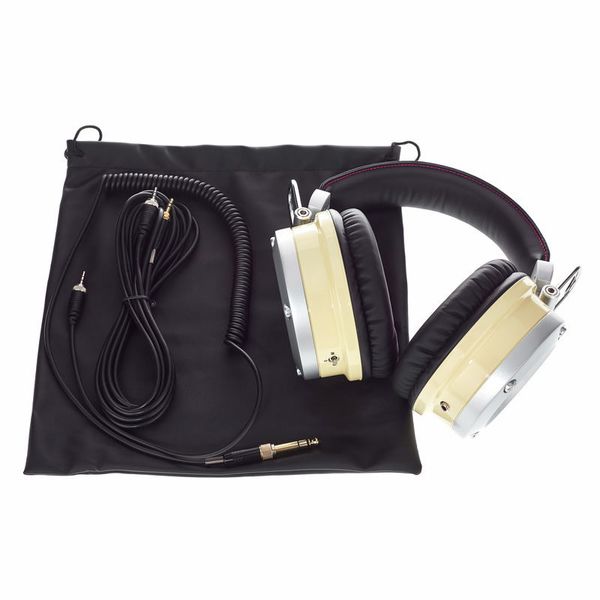
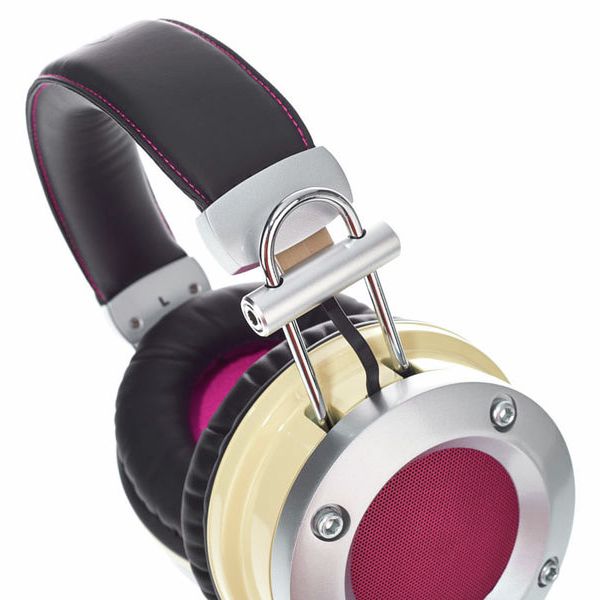
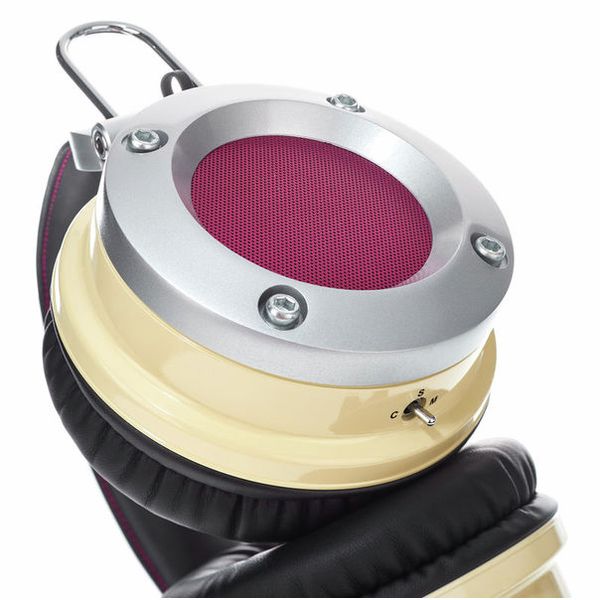
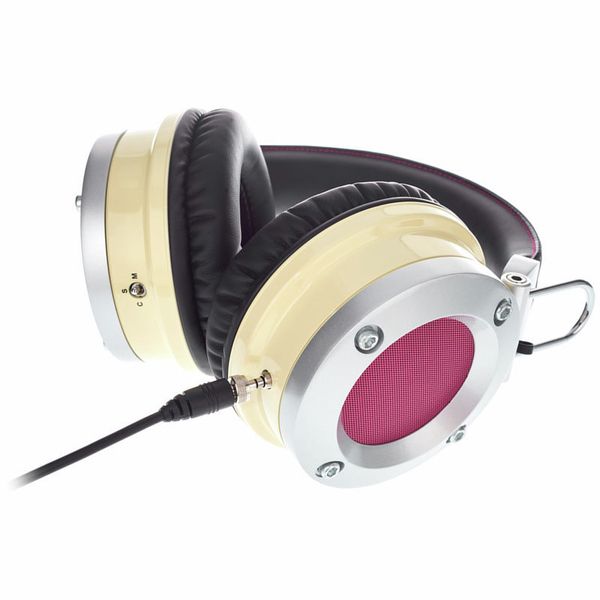
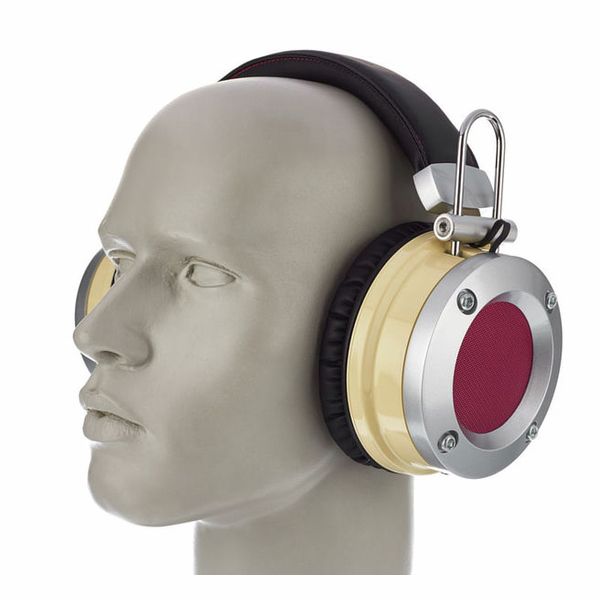
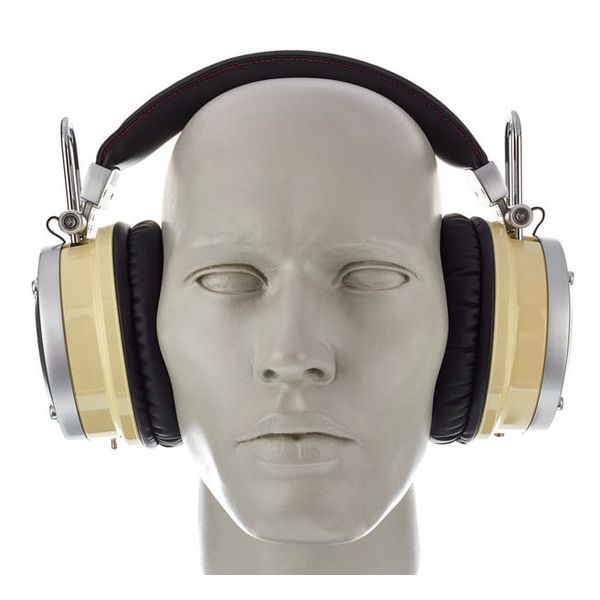
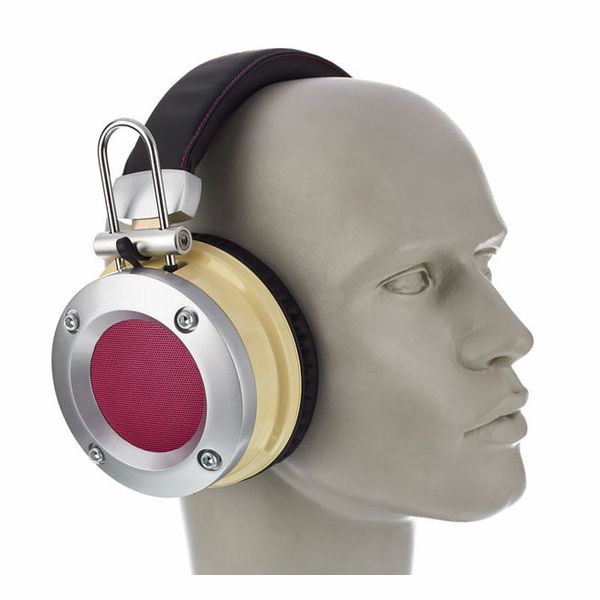
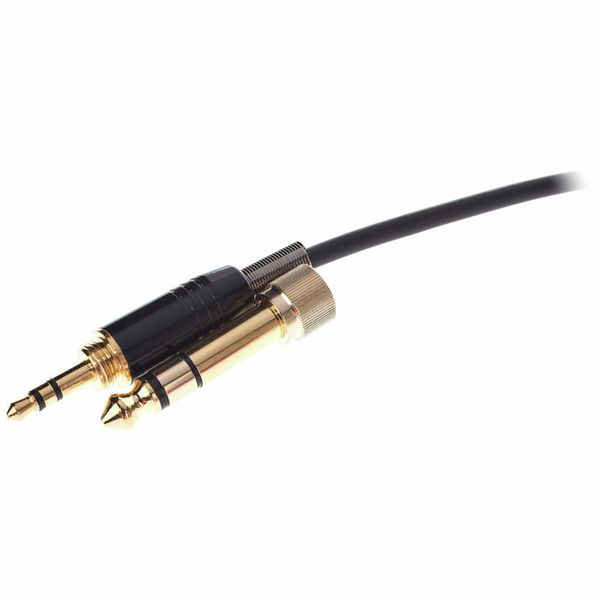
The Mixphones MP-1 are substantial in size and weight at 550 grams, adorned in black and gold. The large 50mm drivers sit within circumaural ear cups providing excellent isolation due to the closed-back design. The headphones are supplied with two detachable cables: a lengthy 3 metre straight cable and a shorter coiled cable of about 1 metre, both utilising mini-jacks with screw-lock fittings to avoid accidental disconnection. An adaptor for 3.5mm to 6.3mm connections is included along with a carrying bag.
Users report an initial heaviness and firm clamping force, which requires some adjustment time but ultimately offers secure and comfortable wear for several hours. The padding fully encloses the ears, contributing to the isolation and comfort. Construction quality ranks above average with minimal plastic parts, favouring metal and robust materials. However, some concerns over the longevity of the ear cup attachment bolts and internal cable connectors have been noted, with multiple reports of loose screws causing the ear cups to detach and fragile internal wiring that was difficult to replace due to spare part unavailability.
Sound Quality
The sound signature of the MP-1 is complex and somewhat dependent on the device used for amplification due to the very low impedance. When connected to consumer electronics such as a MacBook or iPad, the headphones perform well, revealing detailed highs and deep, audible bass. However, performance deteriorates on most hi-fi amplifiers optimised for higher impedance headphones, resulting in a muddled high-end and reduced clarity.
The frequency response is wide, extending from 18 Hz to 25 kHz, enabling the headphones to reproduce very low frequencies impressively. Yet the dynamic range is limited, particularly at the low end, where compression and distortion can occur under high sound pressure levels (up to 113 dB SPL max). A distinct ‘hump’ around 100 Hz causes some music to hum, which may colour the bass response slightly, though it remains powerful.
The headphones feature a switch with three listening modes:
- Stereo (Standard): The default, relatively flat and linear mode best suited for general listening and mixing.
- Mono: Combines both headphone channels into one signal, useful for checking mono compatibility in mixes but less frequently used as monitors or mixers typically offer this function.
- Contoured (“Mixcube emulation”): Intended to replicate the sound of Avantone’s Mixcube monitors; however, this mode essentially rolls off low and high frequencies, creating a muffled effect that many users find of limited practical use and noticeably different from the original Mixcube sound.
When compared to other respected studio headphones, such as the Beyerdynamic DT-880 Pro, the Mixphones provide a more accurate and linear tonal balance with superior instrument positioning. Yet the latter remain lighter and more comfortable over long sessions. The Avantone’s intimate mid-range focus suits users who require precision in vocals and guitar, although it can sound somewhat “dented” or recessed in the mids.
Comfort and Usage
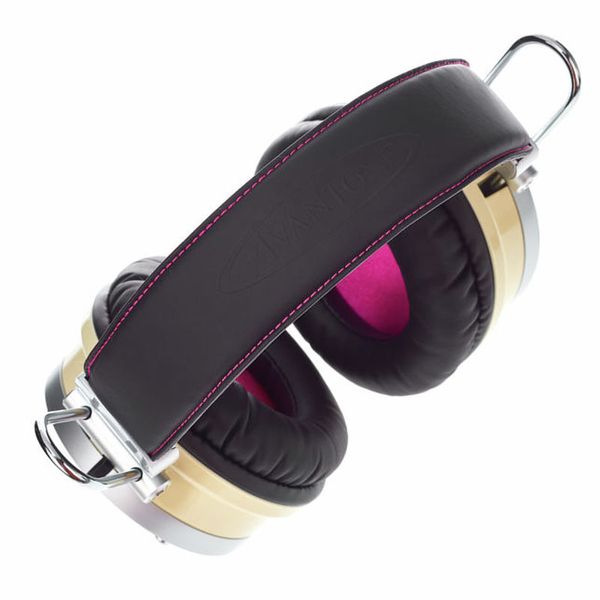
Despite their size and weight, the MP-1 headphones prove comfortable for extended wear once users adapt to the clamp pressure. The thickly padded headband and large ear cups contribute to a stable fit. The closed-back, circumaural design effectively isolates external noise, making them suitable for tracking and late-night practice.
That said, those accustomed to lighter or open-back headphones may find the Mixphones slightly bulky and restrictive during more active sessions. The thin cables supplied require careful handling; some users have damaged the longer cable shortly after use and had to rely on the shorter one, limiting freedom of movement.
Reliability and Support
A notable downside is the reported fragility over time. Several users have encountered recurring issues with loose bolts attaching the ear cups to the headband, resulting in one side detaching unless repaired with glue or tightened regularly. More critically, internal female connectors for cables have broken, with no official replacement parts available from Avantone, complicating repairs and potentially shortening the unit’s lifespan.
Conclusion
The Avantone Mixphones MP-1 offer a compelling choice for musicians and sound engineers seeking detailed, linear headphones with a transparent sound and versatile listening modes at a reasonable price point. Their design accommodates long sessions with good comfort and a robust feel. The low impedance ensures compatibility with consumer devices but complicates use with professional headphone amplifiers.
While the unique switching functionality broadens their application, the contoured mode’s effectiveness is debatable. Durability concerns over mechanical connections and internal wiring may require users to look after their investment with preventive maintenance. Overall, these headphones excel as reliable, studio-grade tools for mixing and late-night guitar playing, provided users are mindful of their limitations and handle them carefully.