
Field Test · Studio Gear Review
Behringer HPM1100
Technical assessment of Behringer’s affordable closed-back over-ear model
 Behringer
- Monitor Headphones
- This is what customers who viewed this product bought
- Accessories & matching items
- 16Customer ratings
- Compare options
- Smart Navigator
Spec Sheet
- Wired headphones
- Closed-back design
- Over-ear
- Dynamic
- Frequency range: 20 – 20,000 Hz
- Impedance: 32 Ohm
- Sound pressure level: 96 dB
- Driver size: 40 mm
- Cable length: 2 m
- Connector: 3.5 mm TRS jack
- Colour: Black/Grey
- Includes Adapter 3.5 mm to 6.3 mm
Studio Log
| Available since | December 2022 |
|---|---|
| Item number | 538853 |
| Sales Unit | 1 piece(s) |
| Design | Over-Ear |
| System | Closed Back |
| Impedance | 32 Ohms |
| Frequency range | 20 Hz – 20000 Hz |
| Adaptor | Yes |
| Colour | Black/Gray |
| Max. SPL | 96 dB |
| Type Of Connector | Jack, mini-jack |
Demo Footage
Field Photography
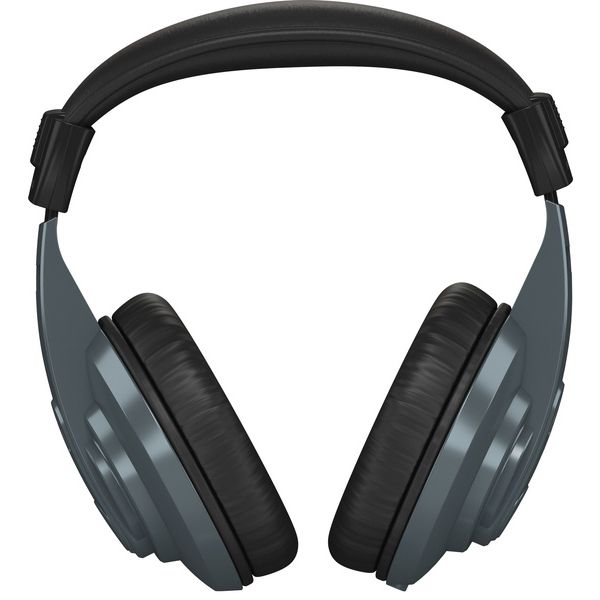
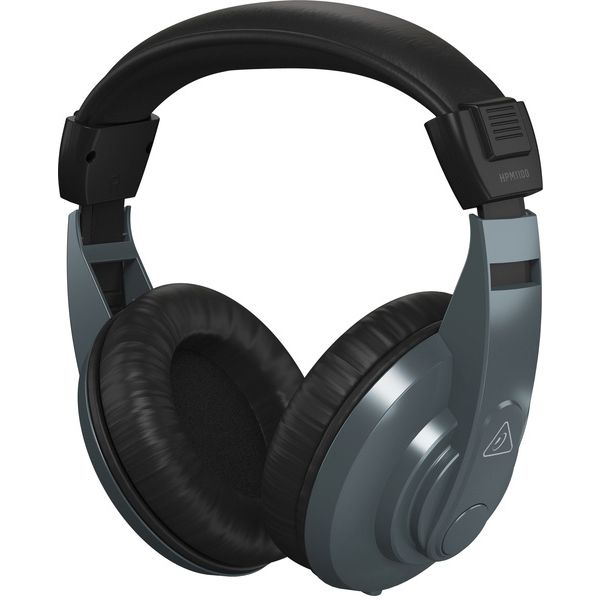
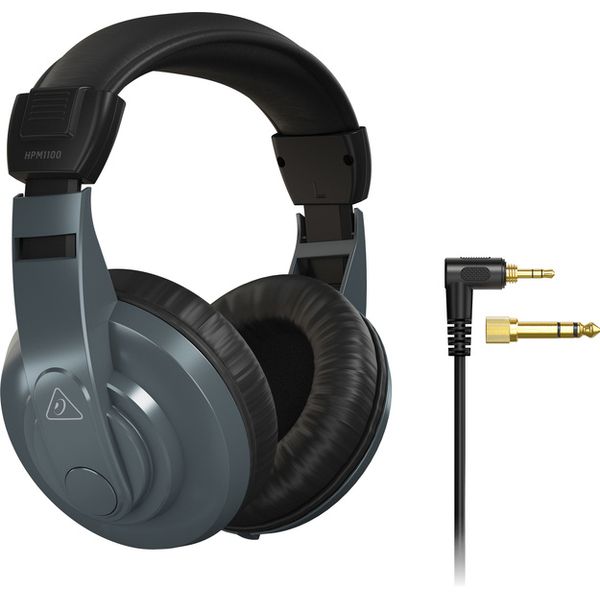
QC Pass — Field Test
Customer Review Summary
[META]An honest review of Behringer HPM1100 headphones, covering sound, comfort, and build quality at an entry-level price point.Introduction to the Behringer HPM1100
The Behringer HPM1100 is a wired, closed-back over-ear headphone designed for entry-level studio applications. Launched in December 2022 and retailing at approximately £8.50, it promises a frequency range spanning 20 Hz to 20,000 Hz with a 32 Ohm impedance. Its 40 mm dynamic drivers are intended to deliver clear sound for monitoring tasks, while an included 3.5 mm to 6.3 mm adapter increases compatibility across audio interfaces and mixers.
Design and Build Quality
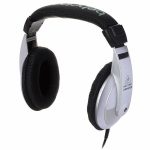
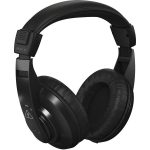
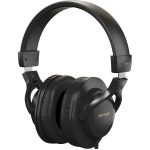
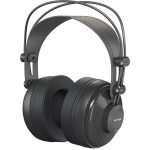
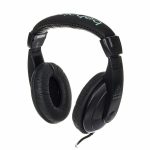
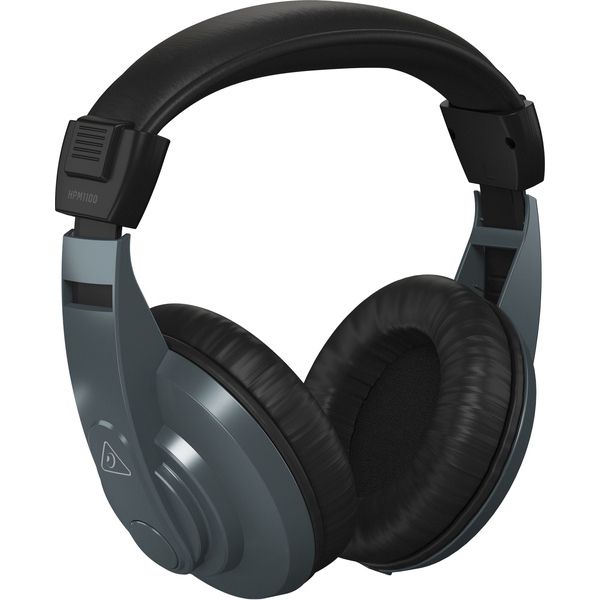
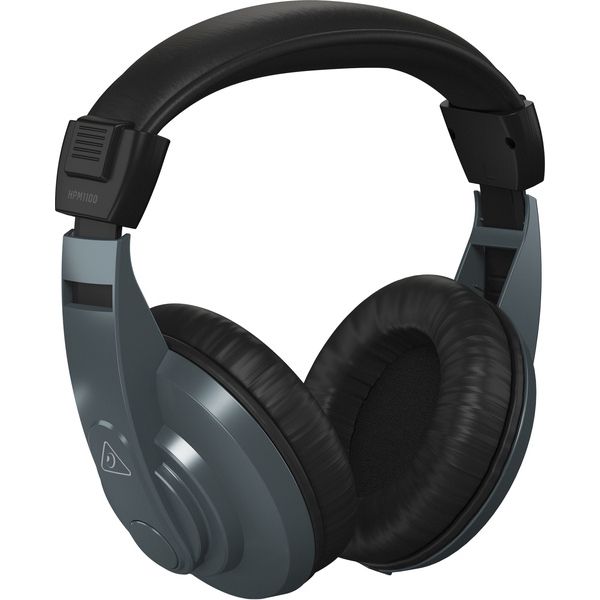
The HPM1100 sports a black and grey colour scheme with a plastic construction, keeping weight and costs low. Its over-ear design encloses the ears fully, aiding passive noise isolation through a closed-back system.
- Headband and ear cup connection is fixed, which limits adjustability
- The maximum headband stretch is somewhat narrow, potentially uncomfortable for users with larger heads
- A 2-metre cable terminates in a 3.5 mm TRS jack, with a screw-on 6.3 mm adapter included
Several users note durability concerns given the mainly plastic materials. Movable ear cushions, common in competing models, are absent here, which reduces comfort during prolonged use. The fixed ear cup angle particularly impacts wearability as the headphones do not conform readily to all head shapes.
Sound Performance
Audio reproduction is surprisingly clean for the price. The frequency response covers the standard audible spectrum and the 40 mm drivers deliver sufficient volume with a maximum sound pressure level of 96 dB.
- Bass is present but not exaggerated, aligning with monitoring needs rather than casual listening pleasures
- The midrange and treble frequencies are clear but lack refinement, limiting detail retrieval
- Notably, the soundstage feels narrow, reflecting the closed-back design and budget components
This makes the HPM1100 more suitable for simple tracking or reference listening on a limited budget rather than critical mixing or mastering tasks. Its neutrality works in favour of beginners trying to avoid bass-boosted consumer headphones which can mislead sound judgements during production.
Comfort and Practicality
Comfort is mixed; the headphones fit securely but might feel tight for some users. Fixed ear cups and limited headband expansion restrict ergonomic adjustments. Cable length is adequate for most home or small studio environments, and the inclusion of both 3.5 mm and screw-on 6.3 mm connectors adds versatility.
Summary and Recommendations
The Behringer HPM1100 acts as an entry point into monitoring headphones at an exceptionally low price. While it cannot rival mid-range or premium models from established brands, it provides more suitable monitoring characteristics than generic consumer headphones that emphasise bass and colour the sound.
Users should not expect durability or exceptional comfort but can appreciate the simplicity and clarity available at this budget. For those needing reliable headphones for basic studio monitoring on a tight budget or for casual use without high expectations, these might suffice.
If funds allow, investing in more robust and comfortable models, possibly from Behringer’s higher-end lines or competitors like AKG and Sennheiser, will deliver better sound and build quality.