
Field Test · Studio Gear Review
Yamaha HPH-150B
Technical evaluation of Yamaha’s open, on-ear HPH-150B headphones
 Yamaha
- Headphones
- This is what customers who viewed this product bought
- Accessories & matching items
- 37Customer ratings
- Compare options
- Smart Navigator
Spec Sheet
- Dynamic
- Supra-aural
- Open
- Impedance: 48 Ohm
- Frequency range: 20 / 20000 Hz
- Max. input level: 1000 mW
- SPL: 101 dB
- 40 mm Driver
- One-sided cable route
- 90 Degree swivel joints at the ear cups
- 2 m Cable with 3.5 mm jack and 6.3 mm adapter
- Weight with cable: 163 g
- Colour: Black
Studio Log
| Available since | July 2015 |
|---|---|
| Item number | 361770 |
| Sales Unit | 1 piece(s) |
| Design | On-Ear |
| System | Open |
| Impedance | 48 Ohms |
| Frequency range | 20 Hz – 20000 Hz |
| Adapter | Yes |
| Replacable Cable | No |
| Marrone/Argento | Black |
| Sensitivity | 101 dB |
| Type Of Connector | Mini Jack |
| Weight | 163 g |
Demo Footage
Field Photography
QC Pass — Field Test
Customer Review Summary
[META]The Yamaha HPH-150B offers clear, natural sound with comfort suited for long sessions. A detailed test of its audio and build quality under £80.Overview
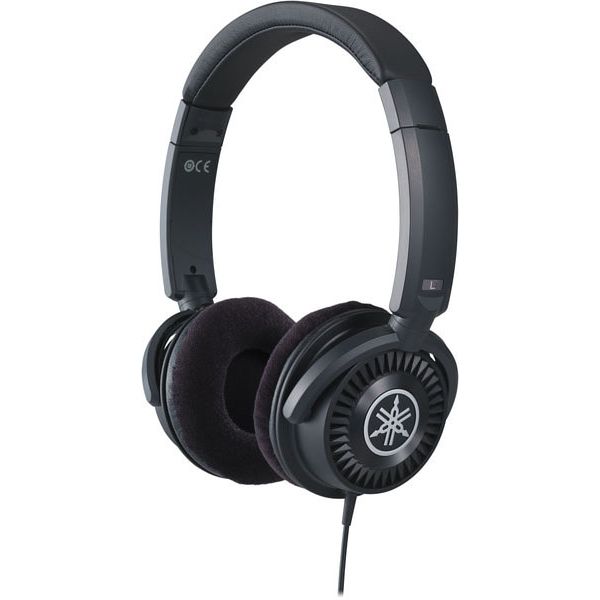
The Yamaha HPH-150B is an open-back, dynamic on-ear headphone introduced in July 2015. Its design aims primarily at users seeking a natural and comfortable listening experience, especially musicians playing digital pianos. Priced around £78, it features a 40mm driver with a frequency response of 20 Hz to 20 kHz and a moderate impedance of 48 ohms.
Design and Build
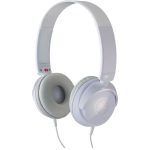
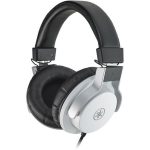
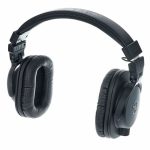
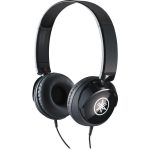
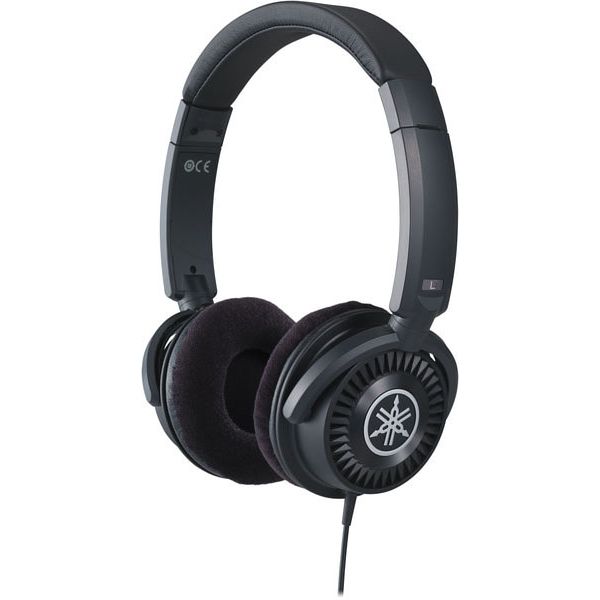
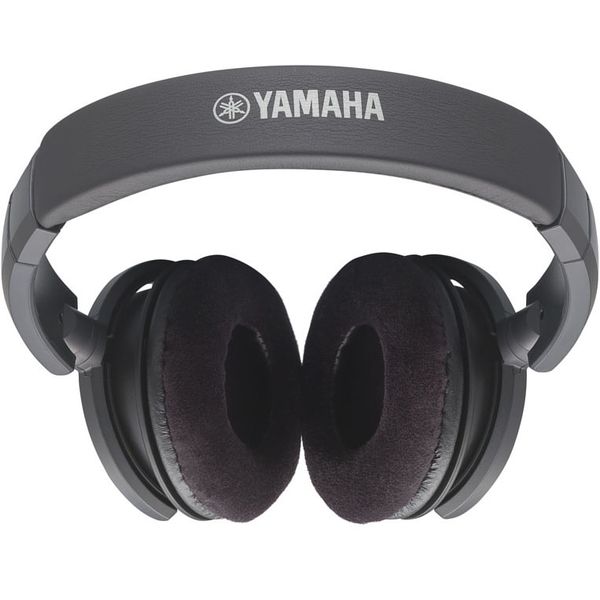
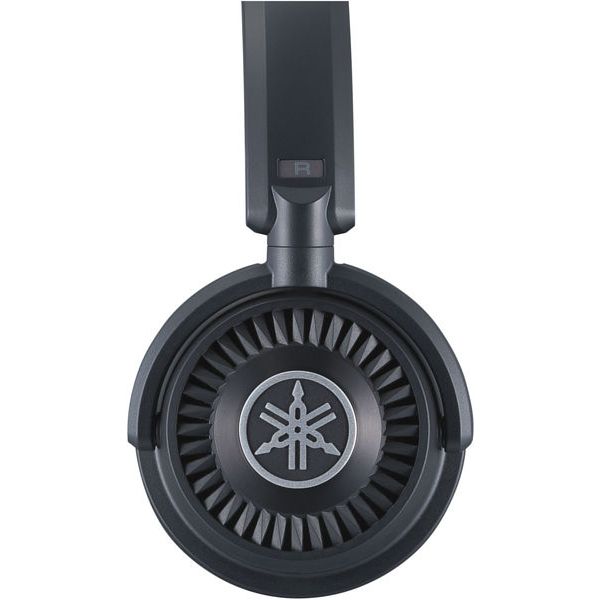
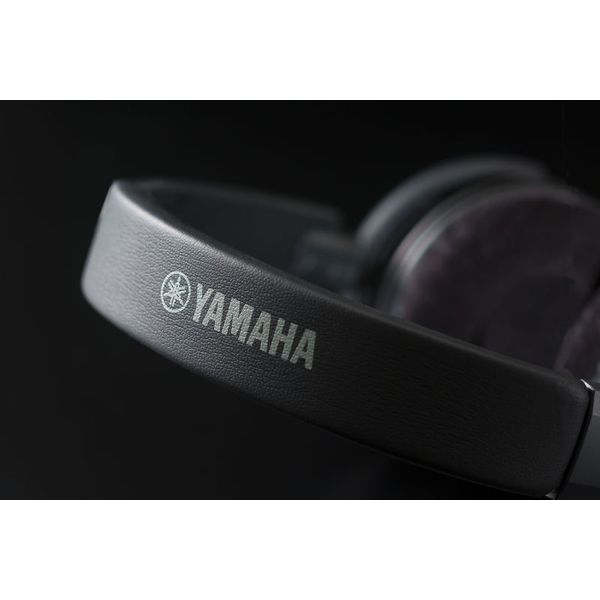
This model utilises a supra-aural, on-ear configuration with velour ear pads that rest gently on the ears. The earpieces are mounted on 90-degree swivel joints, allowing them to be rotated flat or turned to fit various head shapes comfortably. The headphones weigh 163 grams including the cable, making them lightweight for extended use.
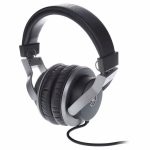
The construction relies heavily on plastic but remains sufficiently sturdy. The adjustable headband contains a visible metal strip for reinforcement and tension control, which contributes to the durability and reasonable stability during wear, although the clamping force is noticeable. This might cause some discomfort after prolonged sessions, but the thick padding on the ear pads helps mitigate pressure.
One notable limitation is the non-removable, thin cable of 2 metres length, featuring a 3.5mm mini-jack and a 6.3mm adapter included for versatility. This cable is less robust than some competitors’ and demands cautious handling.
Sound Quality
The HPH-150B excels with a clear and natural sound signature. Its open design offers excellent spatial awareness, making it feel airy though the perceived soundstage is moderate rather than expansive. The headphones produce a balanced tonal profile, avoiding excessive bass or treble emphasis.
Midrange frequencies are particularly well rendered, delivering detail and warmth suitable for acoustic instruments and vocal clarity. The bass is present and well-controlled without overpowering other frequencies, although some users report a slight boominess under certain digital recordings that can be addressed with external equalisation.
Treble reproduction is clean and precise, contributing to an overall pleasant and non-fatiguing listening experience. This makes the HPH-150B well suited for classical music, piano playing, and casual listening.
Comfort and Usability
The open-back nature contributes to low heat and moisture build-up around the ears, even during long sessions, an advantage over closed-back or over-ear models. The velour pads feel soft and breathable, aligning with the headphone’s intention for extended use.
However, due to the clamping force and the on-ear positioning, some users might experience slight discomfort after prolonged wear. Regular adjustment or breaks can alleviate this.
The single-sided cable routing is a practical feature, preventing tangling and making it easy to quickly put on or remove the headphones. The inclusion of both 3.5mm and 6.3mm connectors ensures compatibility with a range of audio devices, from digital pianos to studio gear.
Comparison and Suitability
- Compared to high-end models such as the Beyerdynamic DT-990 Pro, the HPH-150B is less spacious in soundstage but offers commendable clarity and balance at a fraction of the price.
- Inevitably, as an entry-level to mid-range headphone focused on musicianship rather than audiophile perfection, it lacks modular options like replaceable cables or interchangeable pads found on more expensive sets.
- The HPH-150B outperforms many general-purpose headphones in its price bracket for playing digital instruments, notably improving sound detail and dynamics compared to built-in audio outputs or basic headsets.
Strengths
- Natural, balanced sound signature with clear mids and controlled bass
- Lightweight and comfortable with breathable velour pads
- Open design reduces ear heat, ideal for long sessions
- Swivel joints allow flexible fitting
- Includes 3.5mm and 6.3mm adapters
- Good value for musicians and casual listeners under £80
Limitations
- Non-removable cable of modest durability
- Moderate clamping force may cause ear fatigue after prolonged use
- Open design offers limited external noise isolation
- Soundstage less expansive compared to over-ear or higher-end open headphones
Conclusion
The Yamaha HPH-150B serves a niche well, especially for keyboard players and those who appreciate a natural, uncoloured sound with the comfort to endure long practice or listening periods. While it lacks premium build materials and cable options, its balanced frequency profile and lightweight design make it a solid purchase within its price segment.
For users not seeking closed-back isolation or modularity, it represents a dependable choice. Its strengths clearly align with Yamaha’s reputation for quality musical instruments rather than audiophile exclusivity, delivering an engaging and precise audio experience most relevant to musicians and home users alike.