
Field Test · Studio Gear Review
Yamaha HPH-MT7 White
Test & review: Yamaha

Yamaha
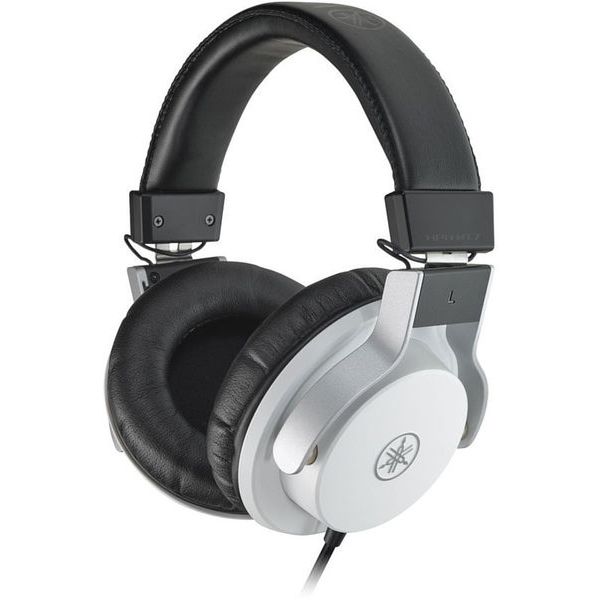
- Headphones
- This is what customers who viewed this product bought
- Accessories & matching items
- 27Customer ratings
- Compare options
- Smart Navigator
Spec Sheet
- Suitable for mixing / recording / studio / monitoring
- Circumaural
- Closed-back
- Impedance: 49 ohm
- Frequency range: 15 – 25000 Hz
- Maximum input level: 1600 mW
- Maximum sound pressure level (SPL): 99 dB/mW
- 40 mm drivers
- Single-cable configuration
- Synthetic leather
- Three-dimensional arm pivot construction
- Earcups can be moved to support one-ear monitoring
- Sturdy ABS protective housing and rigid diecast aluminium support arms
- 3 m straight cable with 3.5 mm jack plug and 6.3 mm adapter
- Weight with cable: 360 g
- Colour: white
- Incl. bag
Studio Log
| Available since | April 2016 |
|---|---|
| Item number | 387003 |
| Sales Unit | 1 piece(s) |
| Design | Over-Ear |
| System | CLosed Back |
| Impedance | 49 Ohms |
| Frequency range | 15 Hz – 25000 Hz |
| Adapter | Yes |
| Replacable Cable | No |
| Marrone/Argento | White |
| Max. SPL | 99 dB |
| Sensitivity | 99 dB |
| Type Of Connector | Mini Jack |
| Adaptor | Yes |
| Weight | 360 g |
| Colour | Black/Gray |
Demo Footage
Field Photography
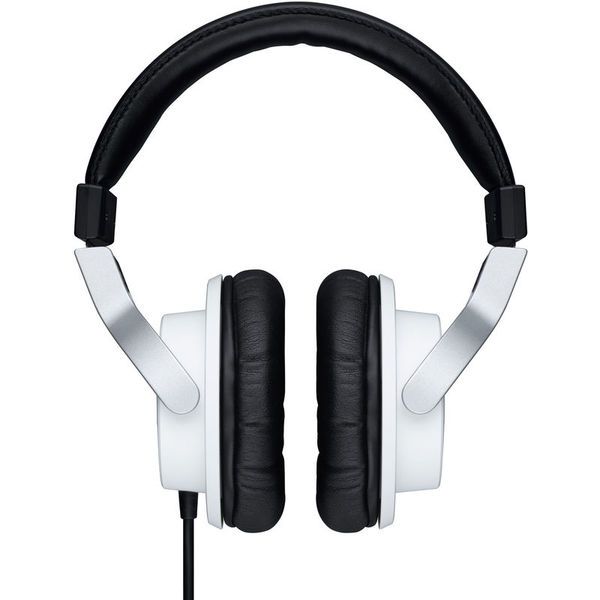
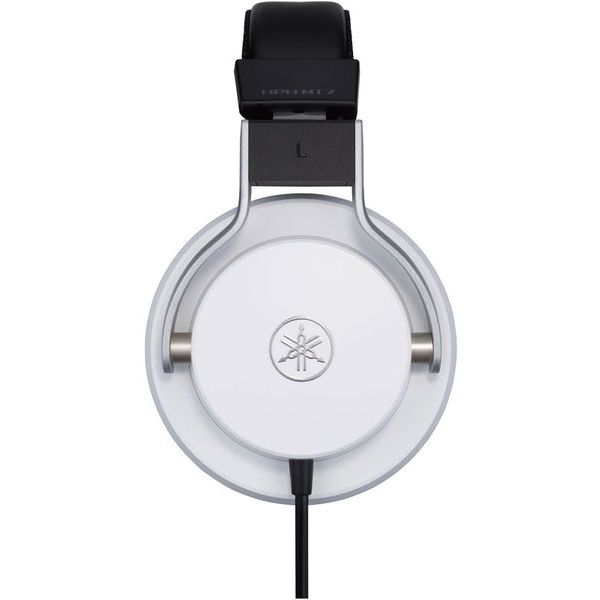
QC Pass — Field Test
Customer Review Summary
[SUBTITLE]Yamaha’s HPH-MT7 White delivers clarity and comfort for mixing and recording
Introduction
The Yamaha HPH-MT7 White headphones target audio professionals seeking reliable closed-back monitors for mixing, recording, and studio monitoring. Released in April 2016 and priced at £167, they feature a circumaural, closed-back design with a frequency response spanning 15 Hz to 25 kHz. Yamaha equips these headphones with 40mm drivers and a 49-ohm impedance, positioning them as versatile tools for critical listening environments.
Build and Design
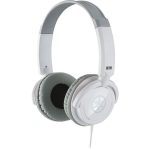
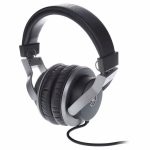
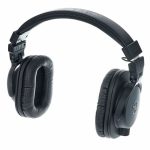
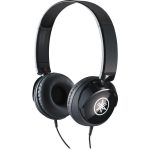
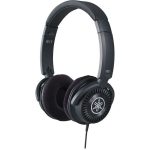
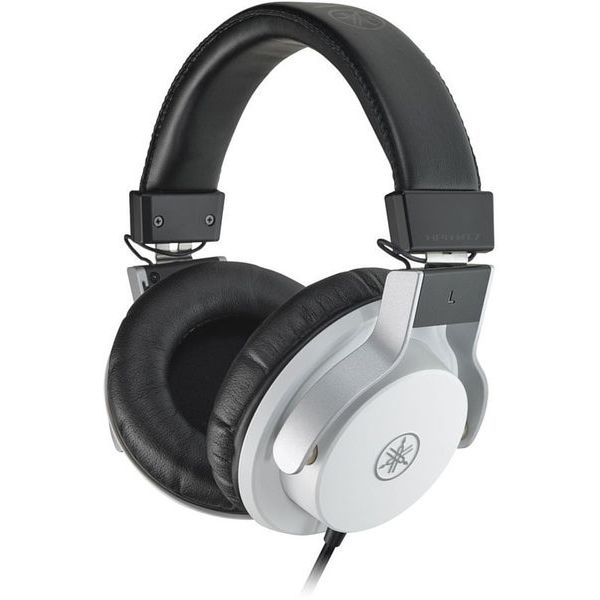
The HPH-MT7 White’s construction utilises a sturdy ABS housing combined with rigid diecast aluminium support arms. This structure yields a robust yet relatively light headset at 360 grams (including cable). The ear cups are padded with synthetic leather and engineered for circumaural placement, ensuring sound isolation and comfort during extended sessions. They also incorporate a three-dimensional arm pivot allowing the ear cups to rotate for one-ear monitoring.
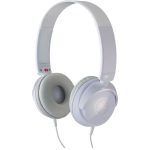
The model sports a clean white finish, complementing its professional studio appearance. The 3-metre straight cable terminates in a 3.5mm mini-jack plug with an included 6.3mm adapter, accommodating various audio interfaces. However, users will note the fixed cable lacks a detachable mechanism, which potentially affects durability and flexibility in daily use.
Comfort and Usability
Comfort-wise, the headphones generally accommodate small to medium ears well, although some users report ear fatigue during longer sessions due to the ear cup size and pressure from the headband. The headband wiht its firm clamping force can cause minor discomfort on the crown, although this is mitigated with periodic breaks. The swivelling ear cups benefit monitoring tasks, enabling one-ear listening without removing the device.
Sound Quality
The Yamaha HPH-MT7 White excels with a wide and detailed sound spectrum. Its frequency response range enables the reproduction of deep bass down to 15 Hz and crisp highs up to 25 kHz, offering a balanced and revealing aural experience suited for mixing and mastering. Sensitivity of 99 dB ensures adequate volume levels without amplification complications.
This model faithfully renders audio with minimal coloration, allowing professional users to detect subtle nuances in recordings and mixes. The closed-back construction effectively isolates ambient noise, facilitating focused listening in studio or noisy environments. Maximum sound pressure level is rated at 99 dB, supporting louder playback while preserving linearity.
However, some users observe slightly exaggerated high frequencies that may present as sibilance during critical listening. This trait could affect perception when mixing acoustic instruments but might benefit certain electronic genres where high-end definition is paramount. Furthermore, the solid bass response is punchy yet controlled, avoiding muddiness.
Comparison and Use Cases
Compared to consumer-grade headphones and even some budget professional models, the HPH-MT7 offers transparency closer to high-end monitoring headphones. The straight cable and somewhat utilitarian design reinforce their professional intent rather than casual use. Listeners expecting comfort for long passive listening might find them less accommodating due to the ear cup size and headband tension.
These headphones are especially effective when paired with Yamaha monitoring speakers, helping create a consistent reference between different listening setups. They prove useful in home studios where room acoustics are less than ideal, providing an alternative for precise adjustments.
Limitations
- Non-detachable cable: Increases risk of cable damage and limits replacement or customised extension options.
- Moderate ergonomic comfort: Smaller ear cups and firm headband pressure may cause fatigue during long sessions.
- Possible high-frequency emphasis: Some users find the treble region slightly bright or sibilant, which can influence mixing decisions.
- Mechanical noise: Moving the headphones can produce subtle sounds from the articulated metal parts, potentially distracting during silent moments.
Conclusion
The Yamaha HPH-MT7 White headphones offer a compelling package for studio professionals seeking detailed monitoring at an affordable price. Their robust build, broad frequency response, and effective noise isolation make them suitable for mixing, recording, and mastering. While not completely free from minor ergonomic and sound signature caveats, their accuracy and balance stand out within this price bracket.
For users requiring an honest and revealing stereo image with minimal colouration, the HPH-MT7 White serves well as a complementary tool alongside studio monitors. The absence of a replaceable cable and slight comfort trade-offs temper their versatility but do not diminish their core value for precise audio work.