
Field Test · Studio Gear Review
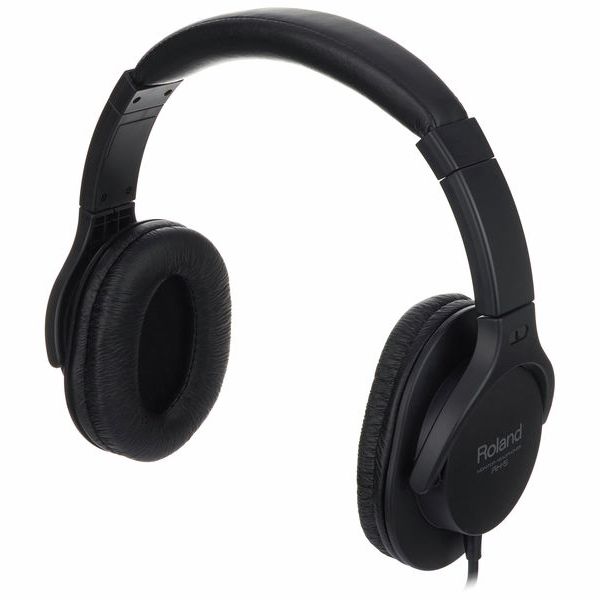
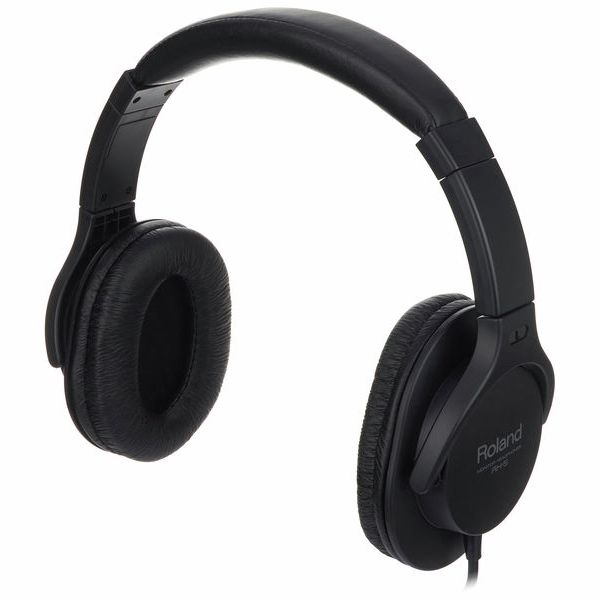
Roland RH-5
Roland’s RH-5 offers a balanced closed-back design at budget price
 Roland
- Headphones
- This is what customers who viewed this product bought
- Accessories & matching items
- 163Customer ratings
- Compare options
- Smart Navigator
Spec Sheet
- Successor of the model RH-50
- Closed-back
- Sound pressure level: 92 dB
- Impedance: 32 Ohm
- Frequency range: 10 – 22,000 Hz
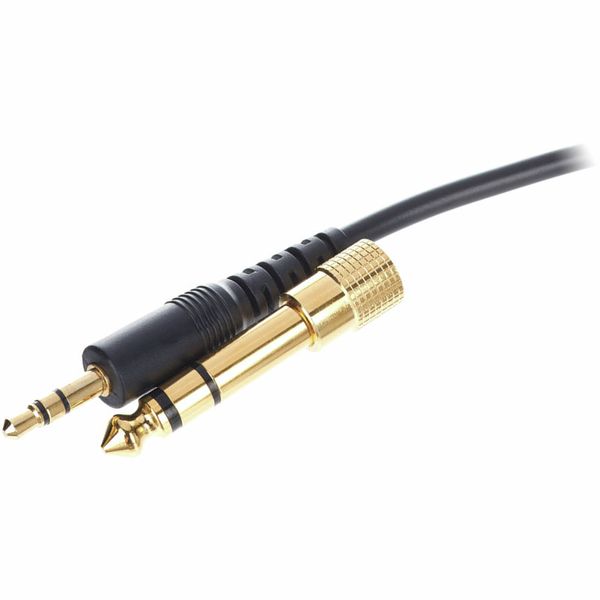
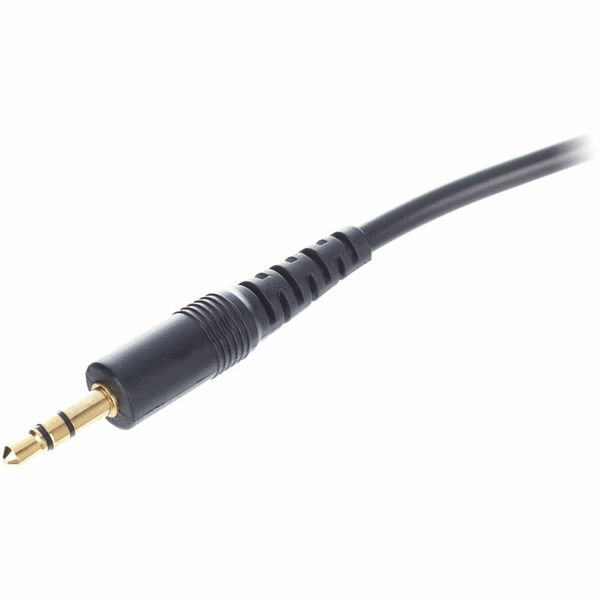
- Stereo mini jack with 6.3 mm adapter
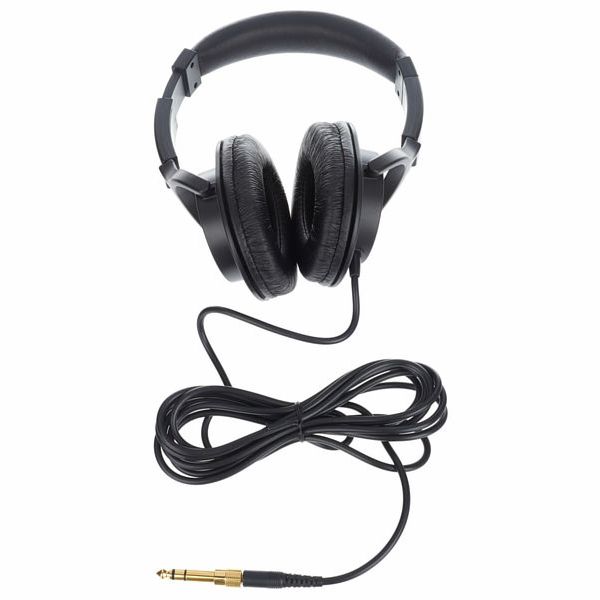
- Cable length: 3 m
- Weight with cable: 240 g
- Weight without cable: 180 g
Studio Log
| Available since | April 2012 |
|---|---|
| Item number | 242367 |
| Sales Unit | 1 piece(s) |
| Design | On-Ear |
| System | CLosed Back |
| Impedance | 32 Ohms |
| Frequency range | 10 Hz – 22000 Hz |
| Adapter | Yes |
| Replacable Cable | No |
| Marrone/Argento | Black |
| Sensitivity | 92 dB |
| Type Of Connector | Jack, mini-jack |
| Weight | 180 g |
Demo Footage
Field Photography

QC Pass — Field Test
Customer Review Summary
Introduction
The Roland RH-5 is an on-ear, closed-back headphone released in April 2012, positioned as an affordable choice for musicians and home studio users. Priced around £29, it is designed primarily for use with electronic instruments such as digital pianos and V-drums. The model succeeds Roland’s RH-50 and aims to provide a clear, neutral sound alongside practical build features suitable for practice and light mixing.
Design and Build Quality
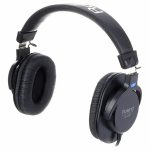
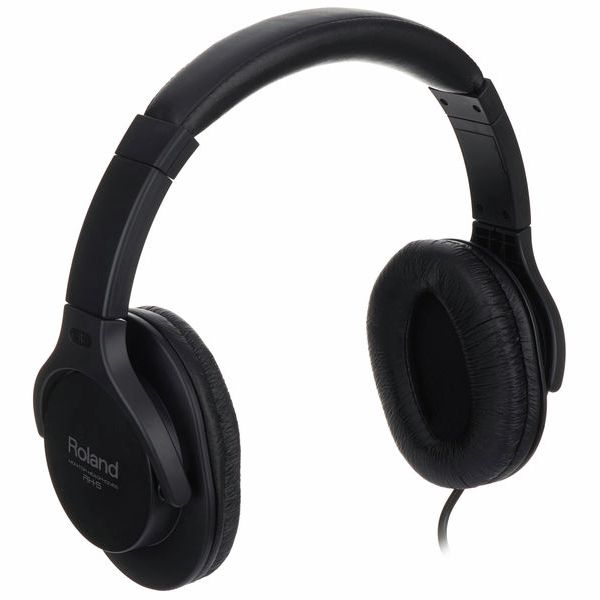
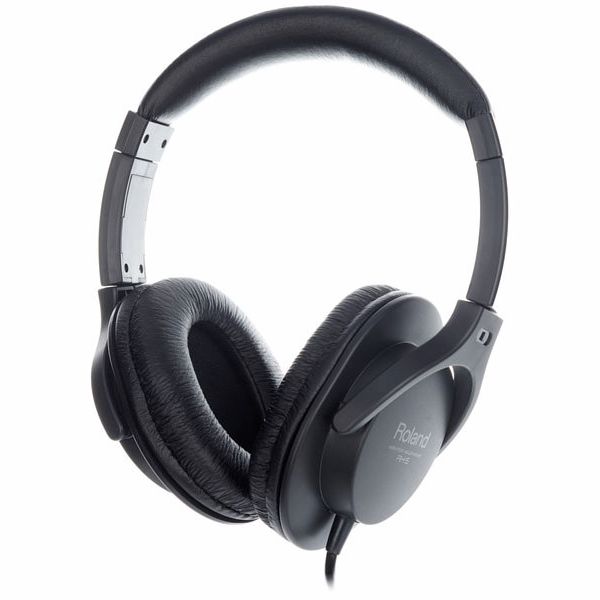
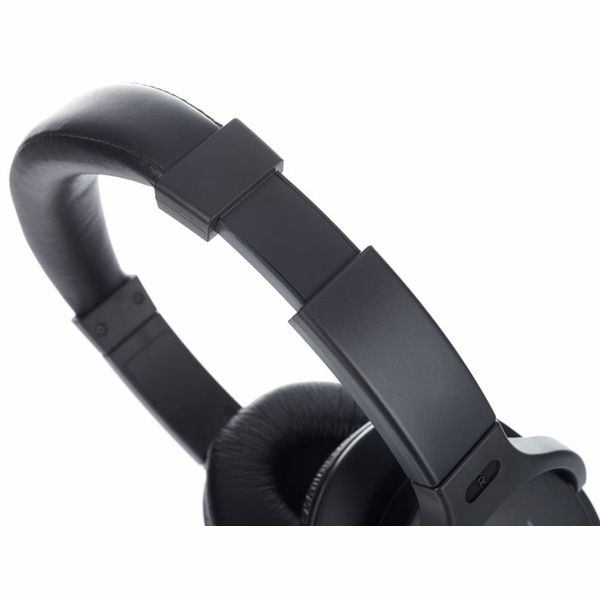
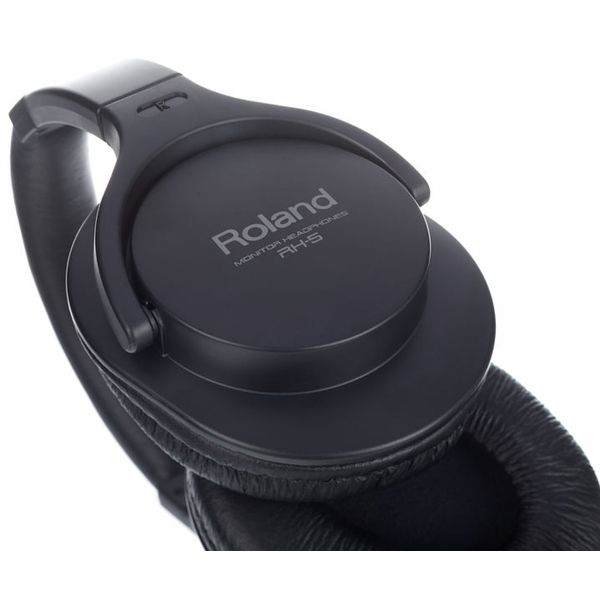
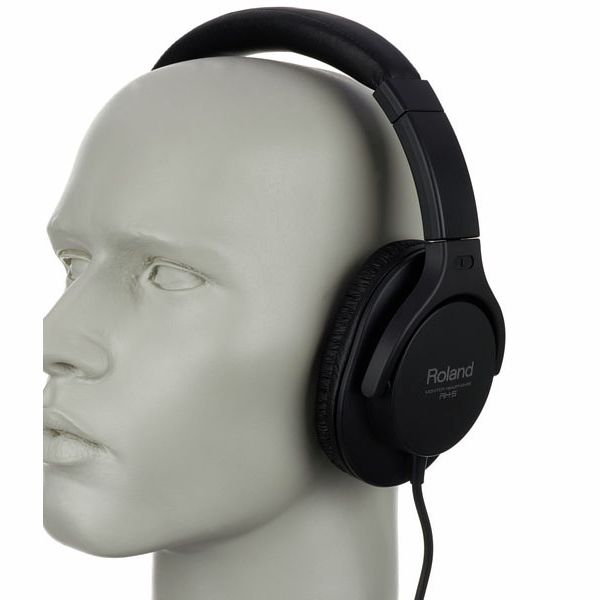
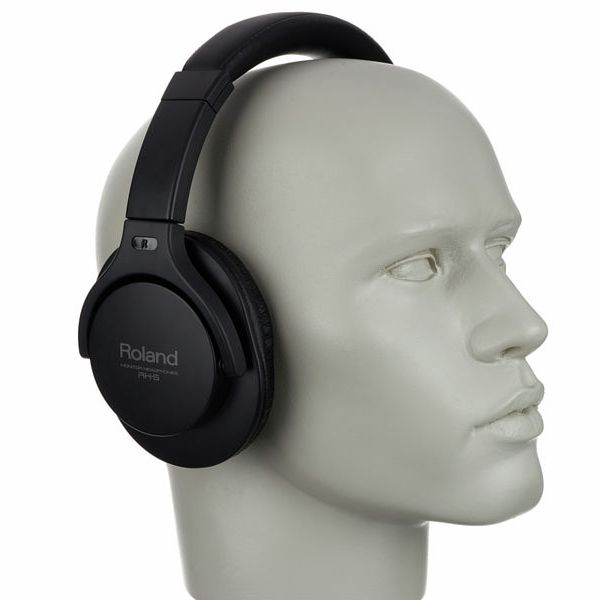
The RH-5 headphones feature a lightweight design, weighing 180 grams without the cable, and 240 grams including a fixed 3-metre cable. This length caters well to users connecting to musical instruments or amplifiers at a short distance. The headphones employ a closed-back system with on-ear earcups that cover the ears but do so lightly, contributing to a modest amount of sound isolation.
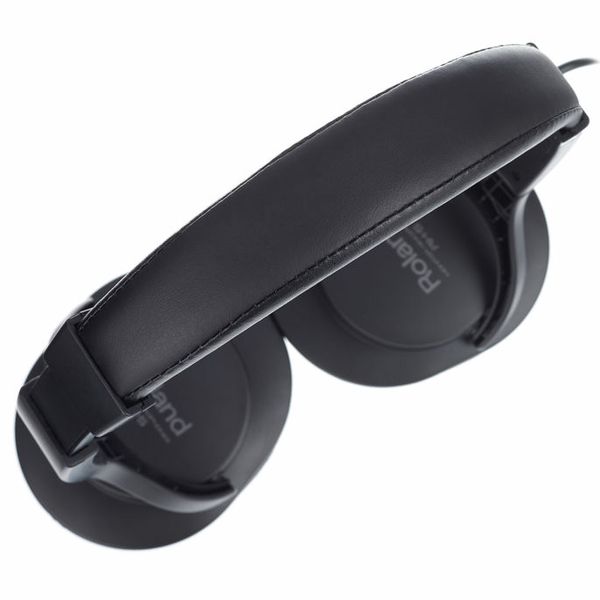
The overall construction utilises plastic components that look somewhat cheap but keep the weight down. The ear pads are moderately soft but somewhat small, creating an on-ear rather than a full over-ear fit, which can cause slight discomfort during extended wear, especially after one to two hours. The headband offers adjustable sizing but is fragile at the earcup pivots, where some users have reported breakage over prolonged use.
Sound Performance
The Roland RH-5’s standout attribute is its flat frequency response spanning from 10 Hz to 22,000 Hz. This wide range delivers a well-balanced, neutral tone without emphasising bass or treble excessively. Sensitivity is moderate at 92 dB, with an impedance of 32 Ohms, suitable for connection to a variety of home instruments and audio equipment.
Users have praised the headphone’s ability to reveal minute details across the audio spectrum, making it a practical tool for mixing where accuracy is required. Compared to more expensive models, the sound is clear but not highly resolving or dynamic. The bass is present but not overly boosted, preventing distortion at higher volumes. High frequencies are clear but lack brilliance, while mids remain natural and uncoloured.
Though suitable for monitoring and musical practice, the RH-5 is not ideal for casual music listening or multimedia consumption over longer sessions due to its sound profile and restricted comfort.
Comfort and Usability
With an on-ear design, the RH-5 headphones provide reasonable comfort thanks to their lightweight and broad earcups. However, the relatively thin ear pads and limited cushioning may cause pressure and warmth around the ears after prolonged wear. The cable’s length is an advantage for musicians moving around during practice or connecting to distant equipment, though the lack of a detachable option lessens convenience.
The headphones’ closed-back system provides adequate external noise isolation, enough to prevent disturbances in quiet home environments, yet they are not highly isolating in noisy settings.
Reliability and Limitations
Build quality reflects the budget price; plastic parts and hinges require careful handling. Several users have encountered breakage at the earcup joints over one to two years of regular use. The cable quality is generally considered good, but fixed cabling can be a weak point in longevity.
For long-term or professional studio applications, the RH-5 is limited. It functions well as an entry-level monitoring headphone for home practice and mixing where budget constraints prevail. Users seeking higher comfort and durability may need to invest in pricier alternatives.
Conclusion
The Roland RH-5 headphones offer clear and balanced sound reproduction tailored to electronic instrument practice and basic mixing tasks. At just under £30, they deliver remarkable value in transparency and frequency response, particularly useful for musicians requiring accuracy without a premium cost.
While the build quality and comfort are modest, the RH-5 endures as a practical choice for casual studio use, instrument monitoring, and transient listening sessions. Those prioritising comfort or advanced audio fidelity should consider higher-end models, but this headphone stands as an effective budget solution for focused music work.