Field Test · Studio Gear Review
Superlux HD 572
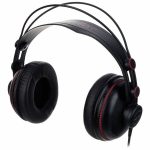
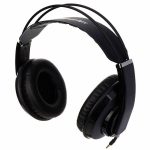
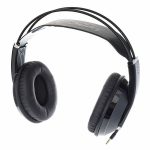
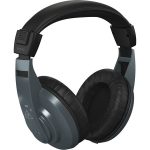
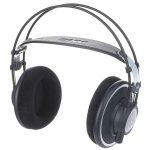
Superlux HD 572 closed-back on-ear headphones with 30mm drivers
 Superlux

- High Quality Monitor Headphones
- This is what customers who viewed this product bought
- Accessories & matching items
- 235Customer ratings
- Compare options
- Smart Navigator
Spec Sheet
- Dynamic, closed
- With 30 mm neodymium driver
- Sound pressure: 101 dB SPL
- 24 Ohm impedance
- Frequency range: 20 – 20,000 Hz
- 200 mW max input
- Leather ear pads
- 2.00 m cable with gold 3.5 mm stereo jack plug and 6.3 mm adapter
- Weight: 130 g
- Colour: Black
Studio Log
| Available since | August 2011 |
|---|---|
| Item number | 256184 |
| Sales Unit | 1 piece(s) |
| Design | On-Ear |
| System | CLosed Back |
| Impedance | 24 Ohms |
| Frequency range | 20 Hz – 20000 Hz |
| Adapter | Yes |
| Replacable Cable | No |
| Marrone/Argento | Black |
| Sensitivity | 101 dB |
| Type Of Connector | Mini Jack |
| Weight | 130 g |
Demo Footage
Field Photography


QC Pass — Field Test
Customer Review Summary
Introduction
The Superlux HD 572 is an on-ear, closed-back headphone model released in August 2011. At a modest price of £11.40, it targets users requiring a no-frills audio solution for light monitoring, casual listening, or use in studio backup scenarios. It features 30 mm neodymium dynamic drivers, a 24-ohm impedance, a frequency response spanning from 20 Hz to 20,000 Hz, and a sensitivity of 101 dB.
Design and Build Quality
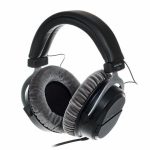
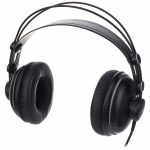
The HD 572 presents a lightweight design, weighing only 130 grams, which helps in reducing fatigue during shorter listening sessions. Its on-ear form factor includes leather ear pads that provide decent comfort, though numerous users have noted the headphone’s clamping force is rather strong and may cause discomfort over extended use or for larger heads. The headband’s adjustment mechanism works well, but the overall plastic construction and thin ear pad coverings suggest moderate durability. Despite this, the build quality is regarded as robust for the price point.
Included with the headphones is a 2.00-metre long cable terminating in a gold-plated 3.5 mm stereo mini-jack, with a 6.3 mm adapter for connectivity versatility. The cable is thick and durable, unlikely to fail under normal use. The headphones can fold inward for more compact storage, accompanied by a small carry pouch, making them convenient for transport.
Sound Quality
The HD 572’s audio performance offers a clear and generally well-balanced sound signature. The drivers produce clean treble and articulate mids, contributing to a transparent listening experience. Bass response is present but restrained, with a somewhat tight and controlled low-end that avoids overwhelming the rest of the frequency range. Some users point out a slight treble emphasis and note the lower mids could be fuller, but for the price the sound is impressive.
The headphones produce sufficient volume with typical smartphone and headphone amplifier usage, benefiting from the low impedance and high sensitivity. However, they lack the accuracy and neutrality expected from professional-grade models. The soundstage is modest, yet instrument separation and spatial cues are adequately defined for casual monitoring or casual listening.
Comfort and Usability
Comfort remains a mixed aspect of the HD 572. Leather ear pads are soft, but the on-ear design combined with the firm clamping force leads to pressure buildup on the ears, limiting extended use to a few hours without discomfort. Users with larger head sizes often find the fit restrictive, though careful gentle adjustment of the headband can mitigate this issue somewhat.
The headphones are suitable for quick monitoring tasks, portable use, or as an inexpensive backup in studio environments. The long cable length is convenient but may feel cumbersome in mobile use. The lack of a detachable cable reduces repair options but is standard at this price level.
Practical Applications
- Casual listening: Provides an enjoyable sound experience for music playback at home or on the go, better than many bundled earphones.
- Studio monitoring: Useful as a secondary headphone to preview tracks or check mixes in rehearsal settings, though not suitable for critical mixing.
- Field recording and live monitoring: The lightweight and foldable design suits quick use with portable recording devices.
Comparison and Value
When contrasted with headphones costing three to four times more, the HD 572 obviously lacks refinement and comfort for long sessions. Yet, considering its extremely budget-friendly position, it delivers exceptional value. Users appreciative of the Superlux brand’s reputation for cost-effective audio products often regard this model as a remarkable find for basic needs.
Its main competitors at similar price points usually offer lower durability or inferior sound quality. The inclusion of a jack adapter and carry pouch adds practical advantages over equivalents.
Limitations and Considerations
- Clamping force may cause discomfort over time, particularly for wide heads.
- Ear cups are relatively small, potentially causing pressure on the ears.
- No detachable cable, which could limit long-term repair options.
- Sound leak exists at higher volumes due to half-closed design traits.
- Plastic construction feels less premium and may impact longevity under heavy use.
Conclusion
The Superlux HD 572 is a straightforward, budget on-ear headphone offering clear sound and a lightweight design suited for short-term use and straightforward applications. Its sound profile is clean with decent bass and transparent mids, making it a practical pick for those on a tight budget who need a reliable headphone for casual listening or basic studio monitoring.
Comfort remains a mixed point and long sessions may be uncomfortable due to the tight clamping and limited ear pad size. Build quality suffices for everyday wear but may not endure harsh conditions or heavy professional use.
Overall, at just over £11, the HD 572 presents an impressive price-to-performance ratio, representing an accessible gateway into decent headphone sound without demanding a significant investment. It is recommended for users prioritising cost and portability over audiophile-grade fidelity or extended comfort.