
Field Test · Studio Gear Review
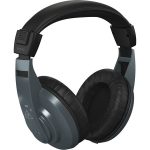
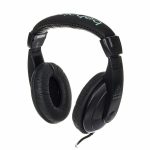
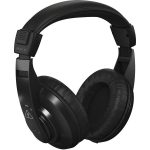
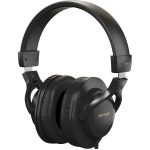
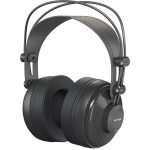
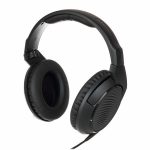
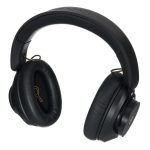
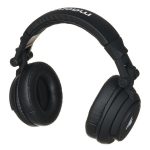
Behringer HPM1000
Technical insights into Behringer’s affordable over-ear closed-back headphones
 Behringer
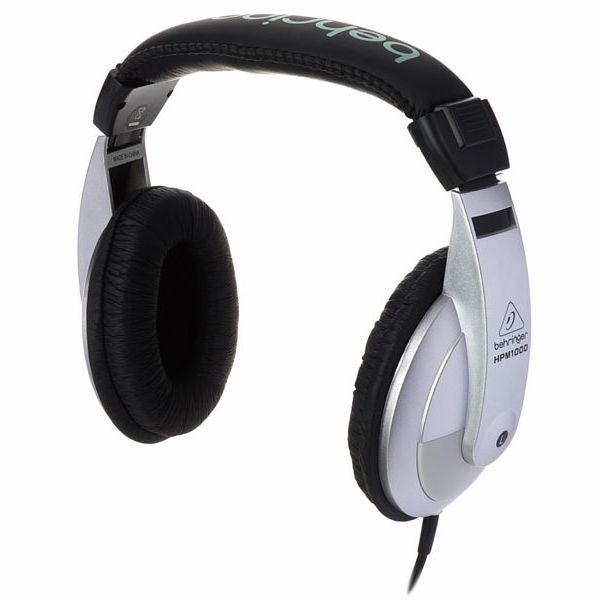
- Stereo Headphones
- This is what customers who viewed this product bought
- Accessories & matching items
- 504Customer ratings
- Compare options
- Smart Navigator
Spec Sheet
- Type: Closed
- Wide dynamic range
- Frequency range: 20 Hz – 20 kHz
- Max. power consumption: 100 mW
- Impedance: 32 Ω
- Sensitivity: 105 dB @ 1 kHz
- Cable length: 2.0 m
- Connectors: 3.5 mm stereo jack
- Incl. 6.3 mm
Studio Log
| Available since | February 2003 |
|---|---|
| Item number | 160731 |
| Sales Unit | 1 piece(s) |
| Design | Over-Ear |
| System | CLosed Back |
| Impedance | 32 Ohms |
| Frequency range | 20 Hz – 20000 Hz |
| Adapter | Yes |
| Replacable Cable | No |
| Marrone/Argento | Silver |
| Sensitivity | 105 dB |
| Type Of Connector | Jack |
Demo Footage
Field Photography
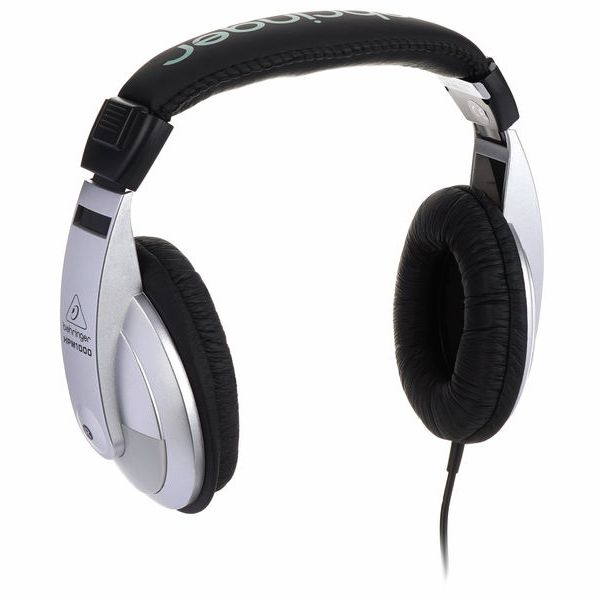
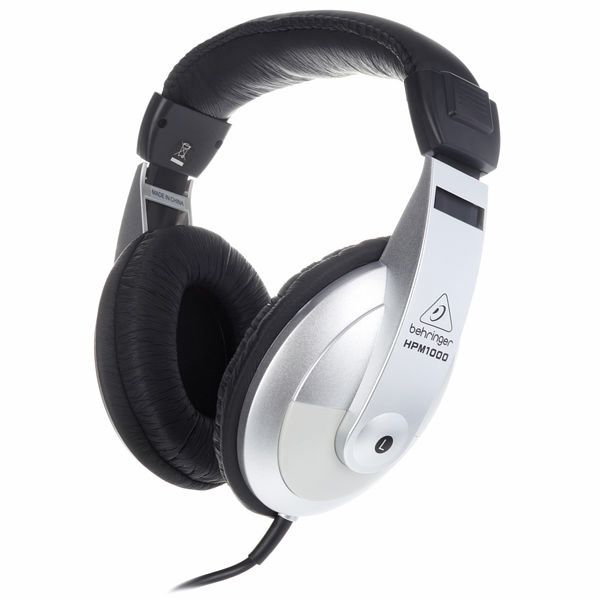
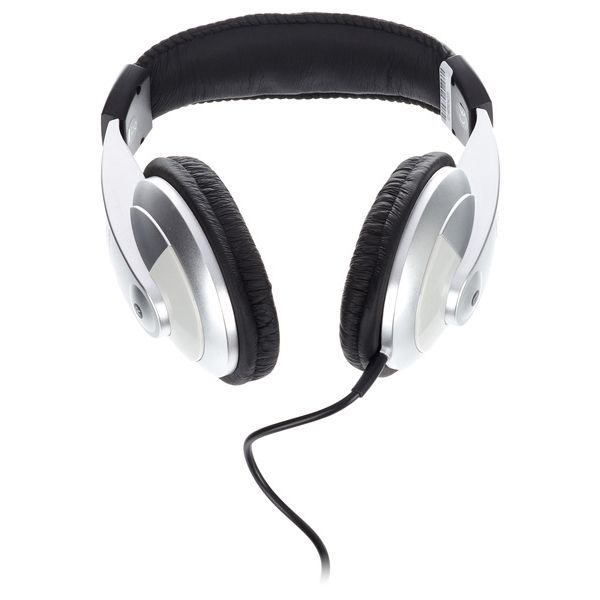
QC Pass — Field Test
Customer Review Summary
[META]An objective review of the Behringer HPM1000 headphones, exploring sound quality, comfort and build at an economical price point.Introduction
The Behringer HPM1000 has been available since 2003 as an entry-level over-ear closed-back headphone designed primarily for home recording and casual listening. Priced at just £7.60, it targets users who need functional headphones without demanding high-end sound fidelity or premium materials. This review presents a thorough assessment of its performance based on specifications and user experience reports.
Technical Specifications
- Design: Over-ear, closed-back system
- Impedance: 32 Ohms, suitable for portable devices and mixers
- Frequency range: 20 Hz to 20 kHz, covering the full audible spectrum
- Sensitivity: 105 dB at 1 kHz for moderate loudness levels
- Cable: Fixed 2.0 metre cable, single-sided with a 3.5 mm stereo jack and included 6.3 mm adapter
- Power consumption: Maximum 100 mW
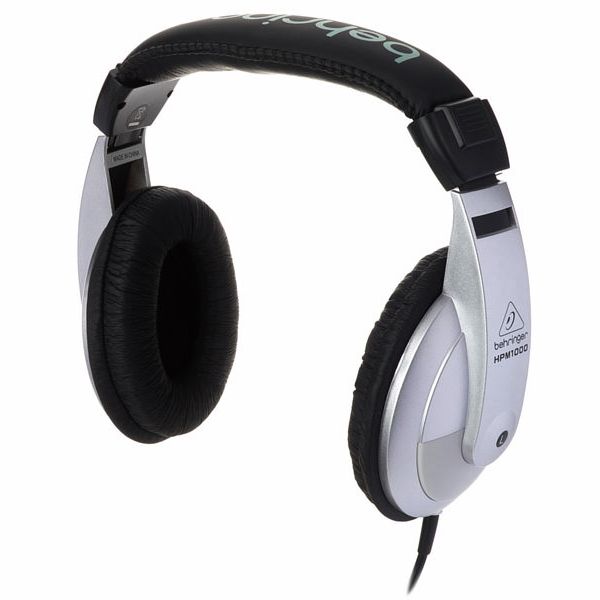
- Colour: Silver
Build Quality and Comfort
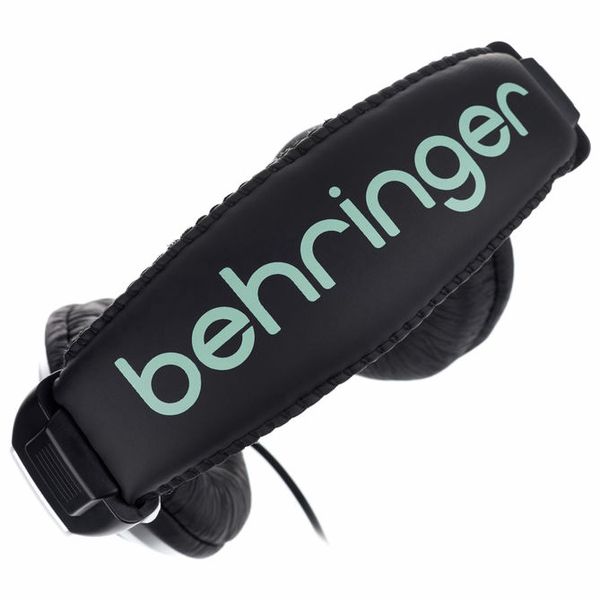
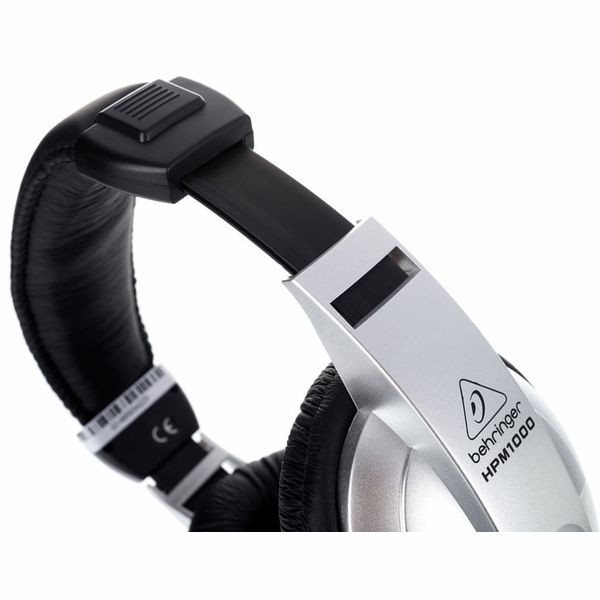
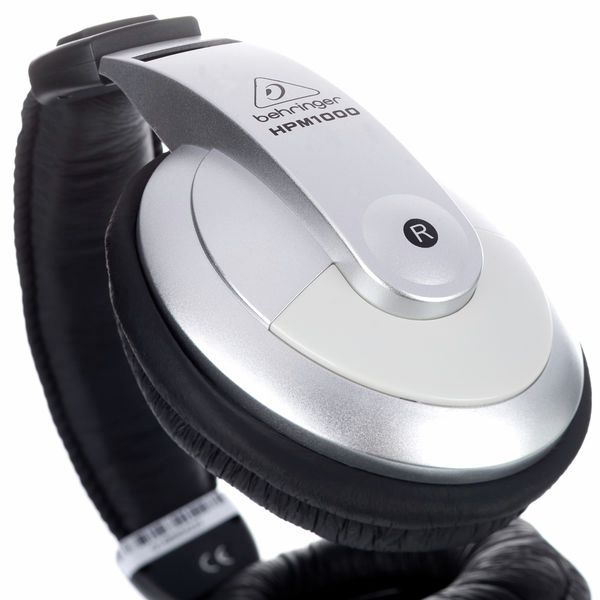
The HPM1000’s construction is predominantly plastic, which keeps the unit lightweight, an advantage for prolonged wear. However, this also means reduced durability, with reports of plastic parts bending or ear padding deteriorating over time. The ear cups are well padded but do not fully conform to all ear shapes, which may cause slight pressure or discomfort after extended sessions. The headband features a firm but not overly tight clamping force, providing a stable fit, though some users have noted minor issues with the headphones fitting better when reversed left to right.
The cable is relatively thick, improving longevity, and its two-metre length offers convenient reach for desk or amplifier setups without excessive slack that might cause tangling. The gold-plated connectors and 6.3 mm adapter enhance connectivity and reduce oxidation risks.
Sound Performance
Given the entry-level price, the sound quality is surprisingly satisfactory for basic monitoring or casual listening. The frequency response is reasonably flat, avoiding the exaggerated bass boost common to many low-cost headphones, which benefits those using them for home recording or mixing. Users report a clear midrange and a full low end, sufficient to identify instruments and vocal elements properly. Treble, while somewhat subdued, remains listenable without harshness.
The dynamic range is adequate for monitoring musical performances, especially for guitar and vocal tracking. However, the sound lacks refinement and finesse expected in professional studio headphones. Some users have observed a slight muffling and an unremarkable stereo image, reflecting the limitations of the internal drivers.
Importantly, these headphones do emit noticeable electromagnetic interference when used close to unbalanced instrument cables, which can cause audible feedback loops. This restricts their suitability where sensitive high-gain audio setups are present.
Isolation and Practicality
The closed-back design provides a fair degree of noise isolation, suitable for practising instruments or recording vocals in moderately noisy environments. External sounds are dampened but not entirely eliminated, and audio leakage at high volumes may disturb nearby listeners.
These properties make the HPM1000 a practical choice for beginners who want to practice quietly at home or record with minimal distractions. The lack of a detachable cable is a slight drawback for durability and portability, where cable failure is a risk.
Value and Suitability
At just over £7, the Behringer HPM1000 delivers strong value for those with modest requirements. It is not recommended for critical listening, mixing or mastering due to its sound limitations and build quality. Instead, it serves well as a first set of headphones for learning, basic tracking and casual use.
The included adapter and the functional ergonomics demonstrate thoughtful design for budget-conscious musicians and home studio owners. Users looking for long-term durability or high-fidelity sound should consider investing in higher-tier models. Still, the HPM1000 frequently receives praise for outperforming expectations at its price.
Conclusion
The Behringer HPM1000 is a straightforward, no-frills headphone offering a clean, reasonably neutral sound and basic comfort in a lightweight form. It excels as a beginner’s tool for practice and simple home recording tasks but does not compete with professional or audiophile-grade equipment. Its plastic build and fixed cable limit its lifespan under heavy use, yet replacements remain inexpensive.
For users on a tight budget who require a reliable headphone for casual monitoring and listening, the HPM1000 is a compelling option. It balances performance and cost effectively, delivering acceptable audio quality and a practical design package.