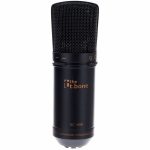
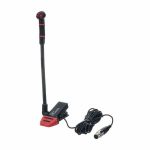
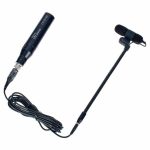
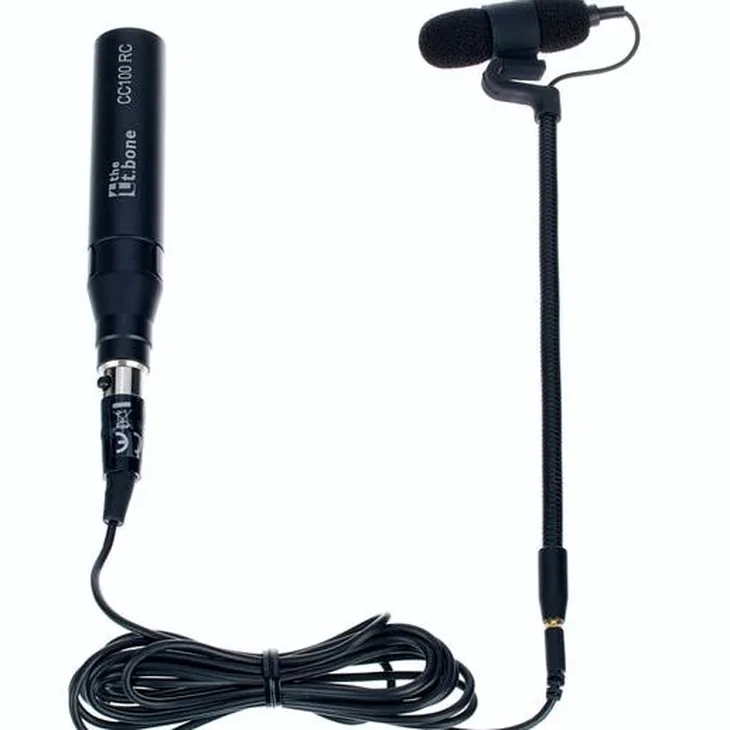
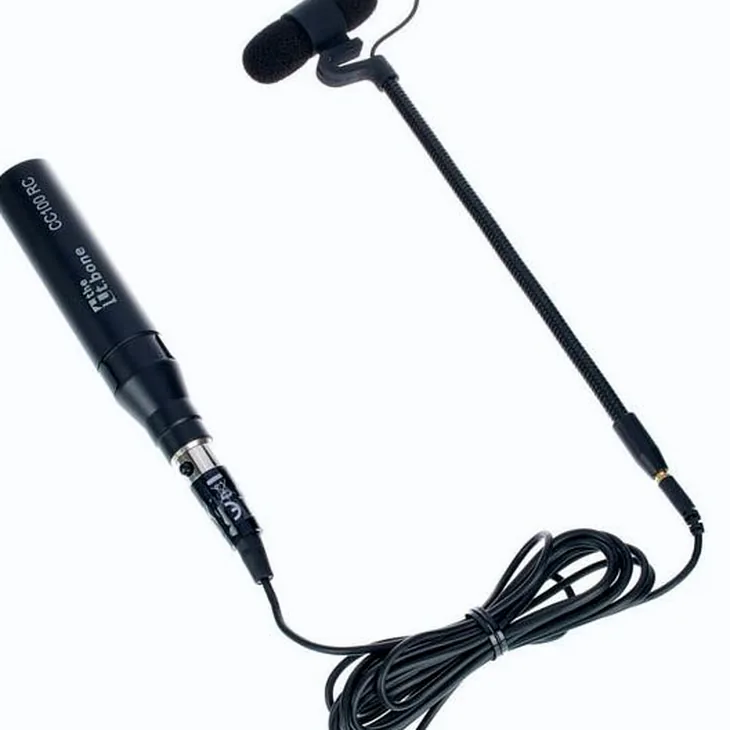
the t.bone Ovid System CC 100 RC


Main features of the t.bone microphone
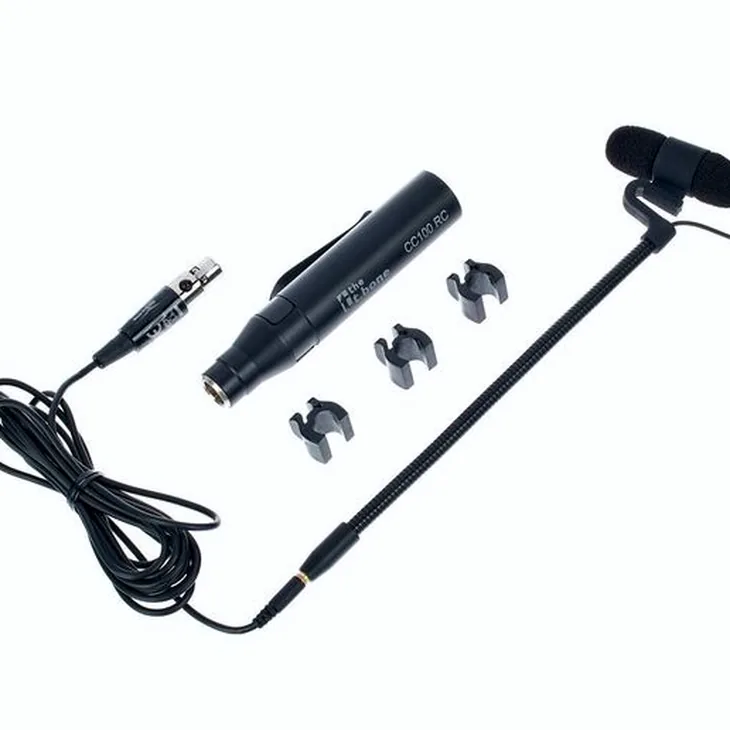
- Easy installation with different instrument holders (optional – not included)
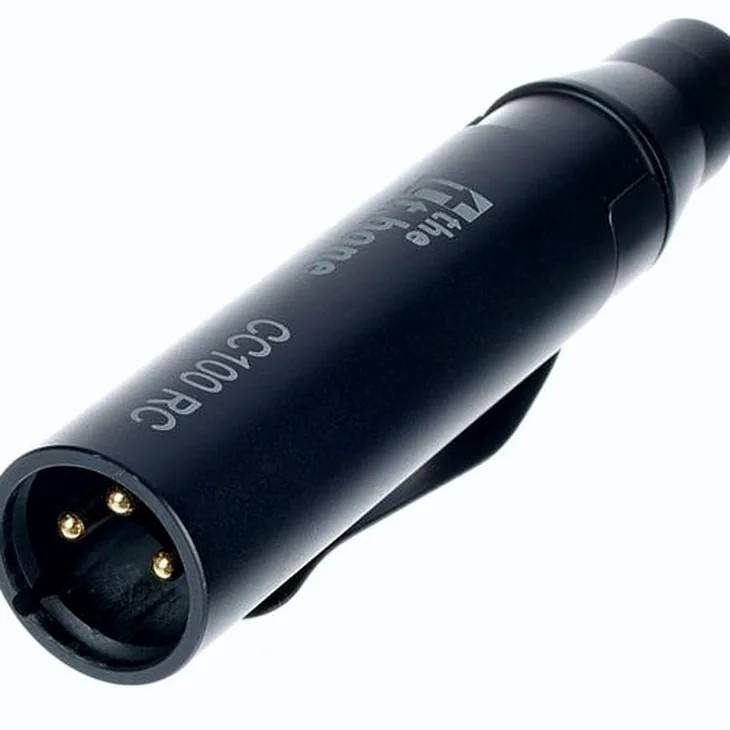
- With phantom power adapter (phantom power required)
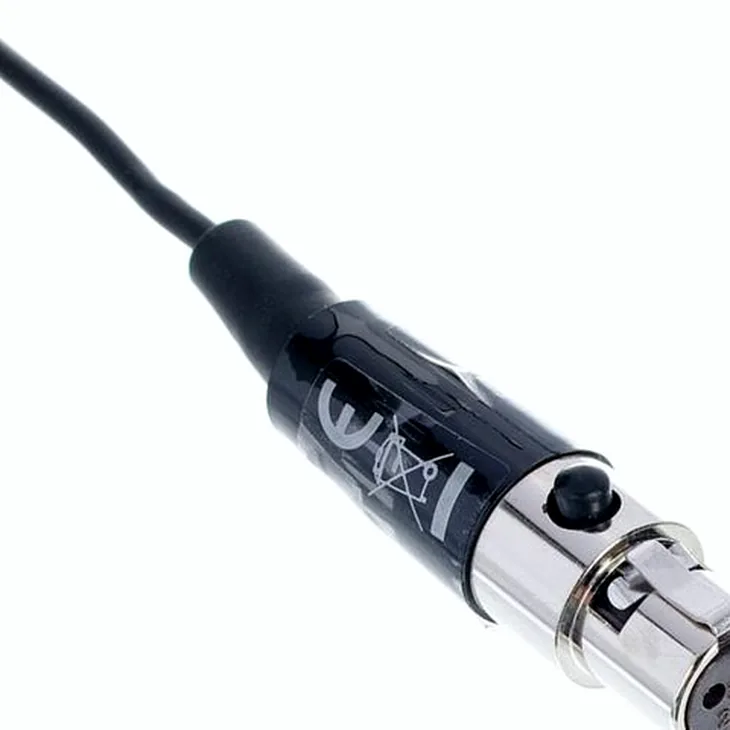
- Detachable cable with screw contact
- Directivity: Cardioid
- Frequency range: 20 – 20,000 Hz
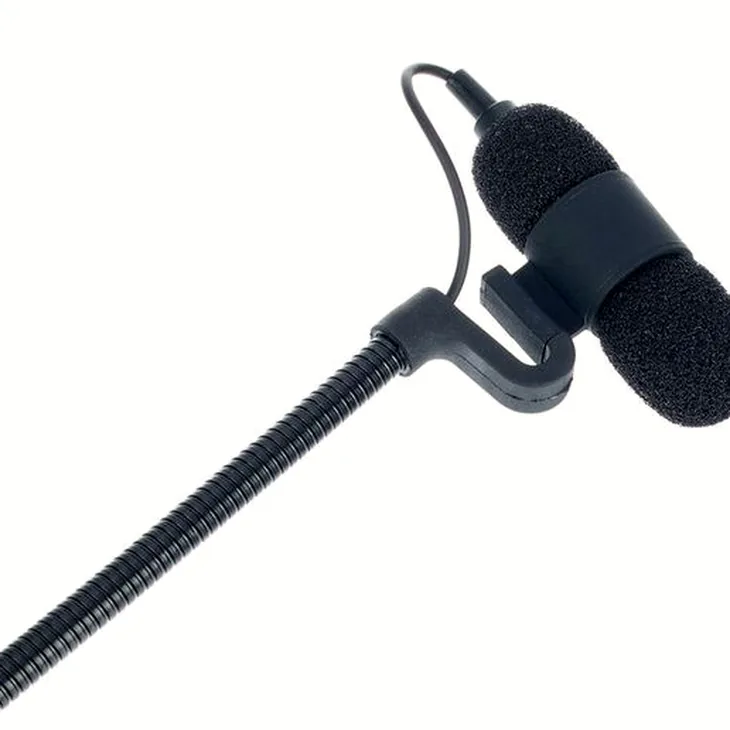
- Flexible gooseneck for easy alignment on the instrument
- 3-Pin mini XLR connector for operating with t.bone wireless systems – also suitable for AKG wireless systems
- Length of gooseneck: 130 mm
- Cable length: 2 m
- Optional cables with Sennheiser EW and Shure TQG connector available separately (not included)
- Foam windshield included
Images

Additional Information
Customer Review Summary
The t.bone Ovid System CC 100 RC is a versatile microphone that has garnered attention for its impressive sound quality, particularly in live settings. Compared to traditional clip-on mics, it offers a significant upgrade at a reasonable price point, making it a great option for wind instruments like saxophones, flutes, and even string instruments.
Users have noted that the sound reproduction is remarkably accurate, capturing a wide frequency range and providing a well-balanced response. Many have found it particularly effective for brass and woodwind instruments, delivering a rich tonal quality that rivals more expensive models. The detachable cable feature has been praised for its practicality, allowing for easy replacement and reducing the risk of damage.
However, there are some caveats. The microphone can struggle with high dynamic ranges, especially with brass instruments, leading to potential distortion if not positioned correctly. While the build quality is generally good, some users have reported fragility in the connectors and cables, suggesting careful handling is necessary to avoid breakage.
Overall, the t.bone Ovid System CC 100 RC is recommended for those seeking an affordable yet effective solution for live performances. It excels in adaptability across various instruments and environments, but users should be mindful of its delicate components and sound characteristics to maximise its potential.
Read more…