Field Test · Studio Gear Review
Shure SRH1540
Shure’s SRH1540 delivers detailed sound and comfort in a premium closed design
 Shure
Shure

- Headphones
- Accessories & matching items
- 50Customer ratings
- Compare options
- Smart Navigator
Spec Sheet
- Closed-back
- Circumaural
- Dynamic
- 40 mm driver with neodymium magnet
- Impedance: 46 Ohm
- SPL: 99 dB
- Max. input level: 1000 mW
- Frequency response: 5 – 25000 Hz
- Gold-plated 3.5 mm stereo plug connector
- Dual-sided, detachable 1.8 m cable
- Weight with cable: 329 g
- Weight without cable: 292 g
- Incl. spare alcantara ear pads, gold-plated screw adapter and travel box
Studio Log
| Available since | December 2013 |
|---|---|
| Item number | 328082 |
| Sales Unit | 1 piece(s) |
| Design | Over-Ear |
| System | Closed Back |
| Impedance | 46 Ohms |
| Frequency range | 5 Hz – 25000 Hz |
| Adaptor | Yes |
| Replaceable Cable | Yes |
| Colour | Black/Gray |
| Max. SPL | 99 dB |
| Type Of Connector | Mini Jack |
| Weight | 292 g |
Demo Footage
Field Photography


QC Pass — Field Test
Customer Review Summary
Introduction to the Shure SRH1540
The Shure SRH1540 is a premium closed-back, circumaural headphone launched in late 2013, positioned as a high-end option for both professional and audiophile use. With a price tag of £482, these headphones promise a combination of refined sound quality, robust construction, and exceptional comfort. The 46 Ohm impedance and dynamic 40 mm neodymium drivers suggest a balance between sound detail and ease of amplification, suitable for studio environments and desktop listening alike.
Build Quality and Design
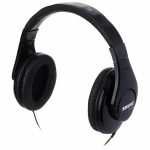
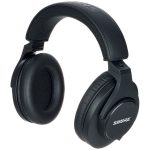
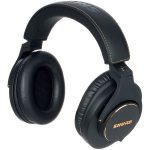
The SRH1540 comes in an understated black and grey scheme, weighing 292 g without cable and 329 g with it attached. The closed-back design ensures decent external noise isolation, important for both studio applications and focused listening sessions. The circumaural fit uses soft Alcantara memory foam ear pads, and the headset features a lightweight yet sturdy frame.
Included accessories enhance the package with a travel case, spare patented Alcantara ear pads, a gold-plated screw-on adapter, and dual-sided detachable cables (1.8 m length). The cables, while functional and detachable, receive mixed feedback on quality and length, with some users wishing they were longer or stiffer for better handling.
Comfort for Extended Use
The memory foam ear cushions contribute to a high comfort level, allowing many users to wear the headphones for multiple hours without excessive fatigue. However, the SRH1540’s clamping force is described as moderate, potentially more suited to larger head sizes. Some users with smaller heads or with glasses report slight discomfort after several hours. The headband design lacks a traditional continuous strap, replaced by two adjustable bands, which some find very comfortable while others feel it falls short in uniform pressure distribution.
Sound Quality Analysis
The Shure SRH1540 excels in delivering a warm, detailed, and slightly bass-boosted sound signature. The response spans from 5 Hz to 25 kHz, affording a wide frequency range that covers deep sub-bass and sparkling highs.
- Bass: The headphones provide substantial, full-bodied bass that is often described as volumous and organic, though occasionally criticised for a mid-bass bump around 75 to 120 Hz. This can produce a less neutral result for some, especially in mixing contexts requiring clinical precision. However, many listeners find it musically enjoyable and helpful in assessing the bass qualities of recordings.
- Mids and Highs: Vocals and midrange instruments are clear and prominent. Mids are slightly recessed around 2-4 kHz compared to fully neutral references, yet the overall presentation remains natural without harsh peaks. The highs extend well without excessive brightness, though a few users note some sharpness or “bite” under certain conditions, which can be softened by using tube amplification or minor equalisation.
- Imaging and Soundstage: Remarkably for closed-back headphones, the SRH1540 offers good spatial cues and depth. While it does not rival open-back models like its sibling the SRH1840 in airiness, it still manages a clean and layered soundstage suitable for critical listening and mixing in moderately quiet environments.
Suitability for Studio Use vs Listening
The SRH1540 strikes a delicate balance between analytical capabilities and musical engagement. It is effective for mixing and sound editing, thanks to its detailed and controlled presentation, but the bass emphasis may detract from absolute neutrality. This characteristic means it is well-suited to musicians and producers who prefer a somewhat fuller sound, helping them judge bass and rhythm components.
Several users recommend pairing the headphones with a dedicated headphone amplifier (such as the RME Babyface Pro or FiiO e10 Olympus) to unlock maximum clarity and definition. They also caution that connection to low-power sources like smartphones or laptops may result in less precise bass control or a muddy lower end. The 46 Ohm impedance ensures compatibility with most devices, yet the sound quality benefits from amplification.
Comparisons and Alternatives
Within the £400 to £500 range, the SRH1540 competes with models like the Beyerdynamic DT 1770 Pro (80 Ohms), Sennheiser HD 300 Pro, and open-back options such as the Sennheiser HD 660 S or Shure’s own SRH 1840. Compared to these, the SRH1540 offers easier portability due to its closed design and excellent noise isolation, at the cost of a slightly coloured bass response and a less expansive soundstage.
When weighed against the DT 1990 Pro or Hifiman Sundara, users find the SRH1540 delivers a different listening experience, with the Shure favouring warmth and comfort over clinical precision. Its performance excels with genres requiring solid bass and midrange presence but may be less suited to harsh or highly detailed analytical tasks.
Limitations
- Cable Length and Quality: The supplied cables are somewhat short and stiff, leading to awkward handling for some, especially in non-studio contexts. The 3.5 mm connector’s size can be incompatible with phones in cases.
- Fit and Comfort for Smaller Heads: While generally comfortable, the headset may be less so for users with smaller or narrower heads, and some experience discomfort with eyeglasses after prolonged sessions.
- Sound Signature Bias: The pronounced bass presence and slight midrange dips can colour the sound, reducing suitability for users seeking entirely flat frequency response for mastering or forensic audio analysis.
- Case Practicality: The hard travel case is robust but large, not particularly convenient for everyday transport, especially considering the need to detach cables to fit it inside.
Conclusion
The Shure SRH1540 delivers a finely crafted, luxurious headphone experience combining solid build quality, impressive comfort, and a warm, detailed sonic profile with distinctive bass emphasis. It is ideally suited to home studio professionals, musicians, and enthusiasts who value a balance of musicality and analytical detail in a closed-back format.
While the tonal character and some design details may not perfectly suit everyone, its strengths lie in its engaging sound and exceptional comfort over extended listening periods. The included accessories add value, and the detachable cable system provides future upgrade paths.
For users prioritising precision and neutrality above all, alternatives such as the Shure SRH1840 or Beyerdynamic DT 1770 Pro may be preferable. However, the SRH1540 remains a compelling choice for those seeking closed-back isolation with a touch of warmth and a high level of usability.
Overall, this model represents a top-tier closed-back headphone in its segment, albeit at a premium price point that reflects its quality and specialised design philosophy.