
Field Test · Studio Gear Review
ESI eXtra 10
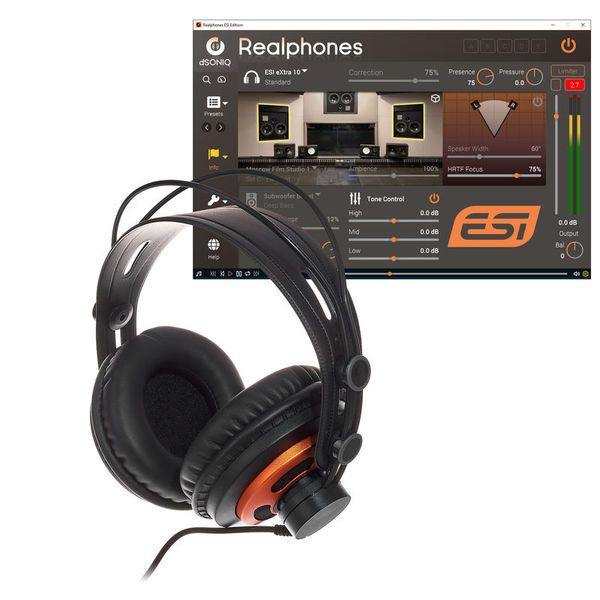
Testing ESI’s eXtra 10 semi-open headphones with dSONIC Realphone software included
 ESI
ESI
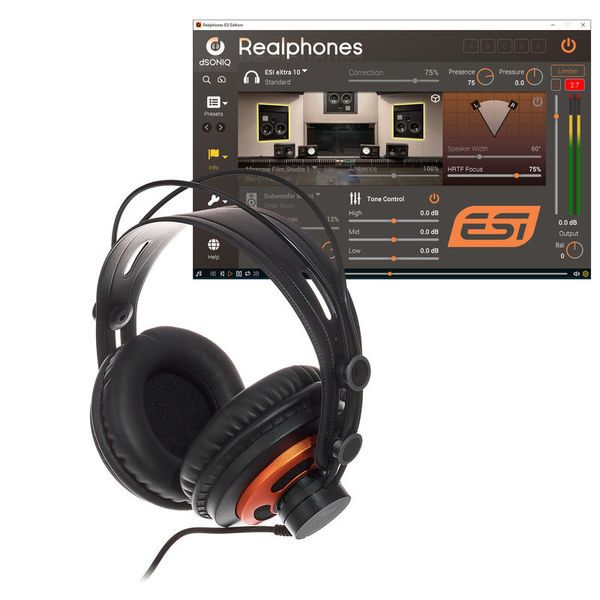
- Headphone/Modelling Software Bundle
- This is what customers who viewed this product bought
- Accessories & matching items
- 26Customer ratings
- Compare options
- Smart Navigator
Spec Sheet
- Consists of headphones and modelling software
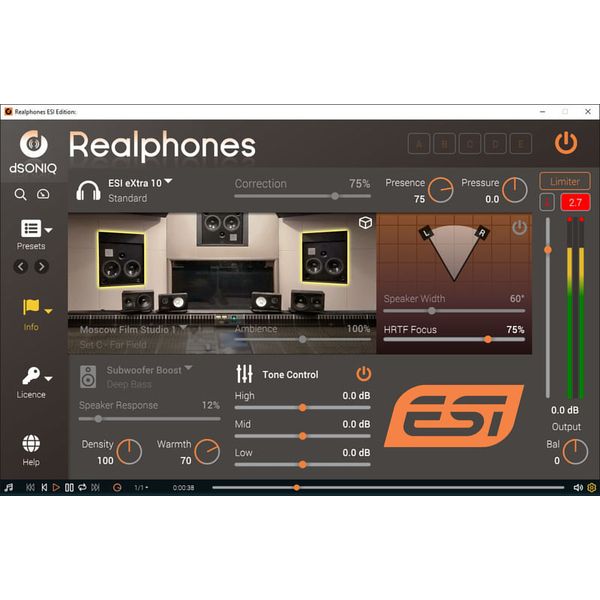
- Recreates the acoustic environment of a recording studio control room in the headphones and corrects the frequency response
- Software can be used as a plug-in in the DAW or as a stand-alone version
- Dynamic, semi-closed monitoring headphones in studio quality (can also be used without modelling software)
- Impedance: 32 Ohm
- Sensitivity: 94dB SPL
- Frequency response: 15 – 29000 Hz
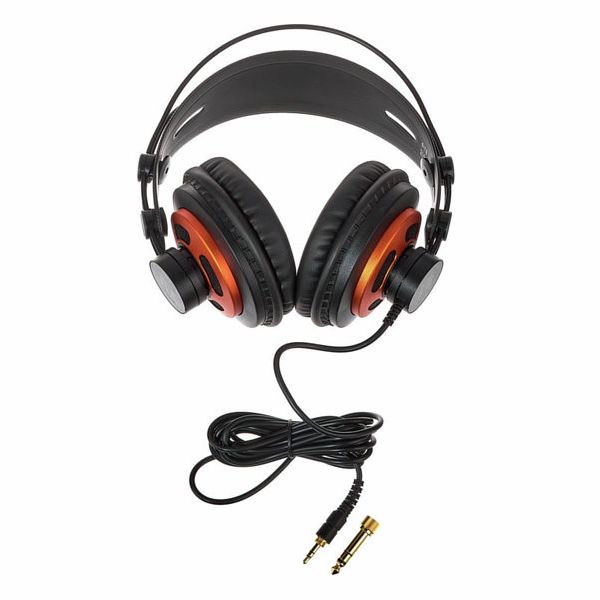
- With 3.5 mm stereo jack incl. screw adapter to 6.3 mm stereo jack
- Cable length: approx. 2.5 m
- Includes dSONIC Realphone ESI Edition modelling software (download licence)
- Supported formats: VST2 / VST3 / AU / AAXnative
- System requirements: Win7 or higher, Mac OS X 10.9 or higher, Internet connection
Studio Log
| Available since | January 2021 |
|---|---|
| Item number | 512540 |
| Sales Unit | 1 piece(s) |
| Design | Over-Ear |
| System | Semi Open |
| Impedance | 32 Ohms |
| Frequency range | 15 Hz – 29000 Hz |
| Adaptor | Yes |
| Replaceable Cable | No |
| Colour | Black |
| Audio Tool | Yes |
| Compatible To PC | Yes |
| Mac compatibility | Yes |
| Max. SPL | 94 dB |
| Type Of Connector | Mini Jack |
| Weight | 400 g |
Demo Footage
Field Photography
QC Pass — Field Test
Customer Review Summary
[META]A full review of the ESI eXtra 10 semi-open studio headphones bundled with modelling software for accurate mixing and comfortable wear.Introduction
The ESI eXtra 10, launched in January 2021, offers an intriguing package for musicians and producers seeking affordable semi-open studio headphones with software modelling capabilities. Priced at £44, this set includes both headphones and the dSONIC Realphone ESI Edition modelling software, designed to recreate a studio control room acoustic environment directly in your headphones. This test explores how well the ESI eXtra 10 delivers on sound quality, comfort, and software integration for mixing and casual listening.
Design and Build Quality
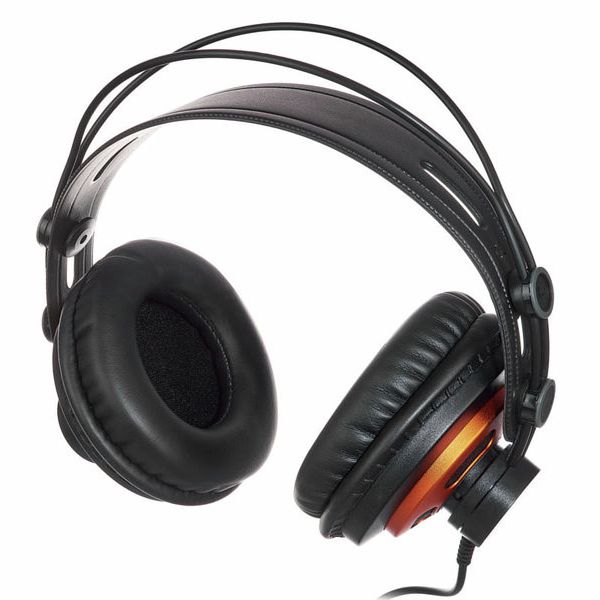
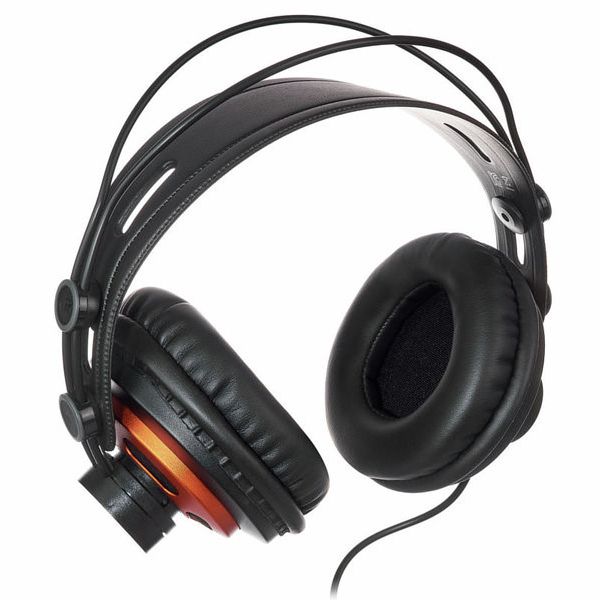
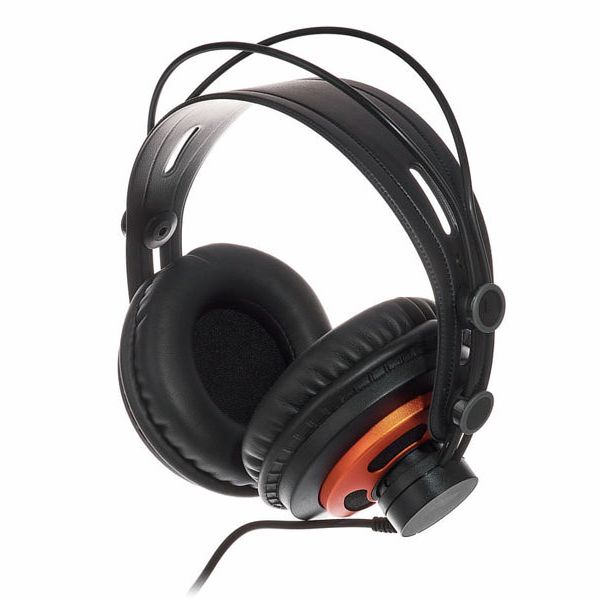
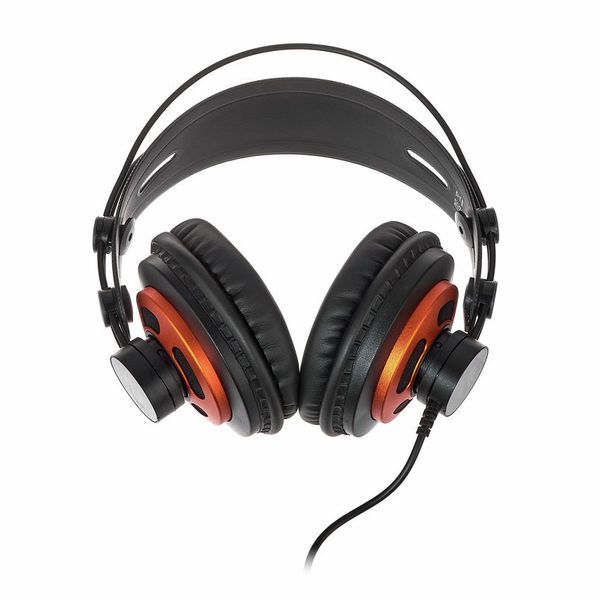
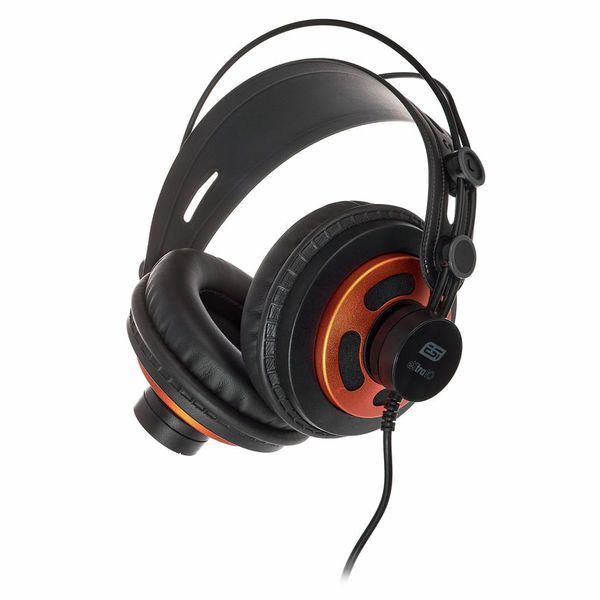
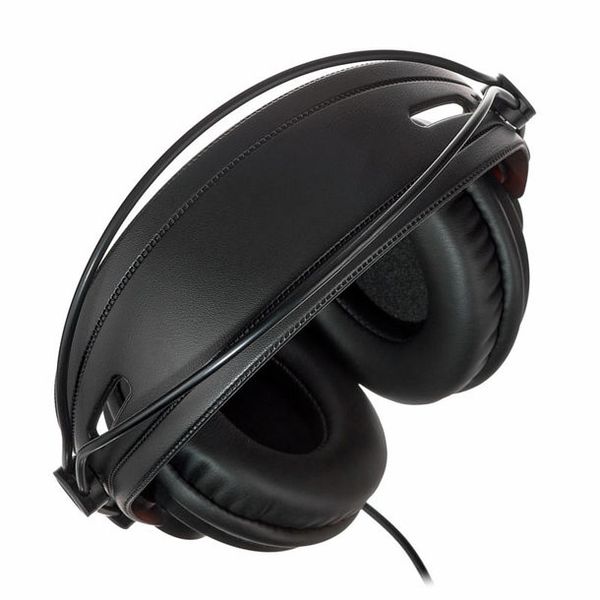
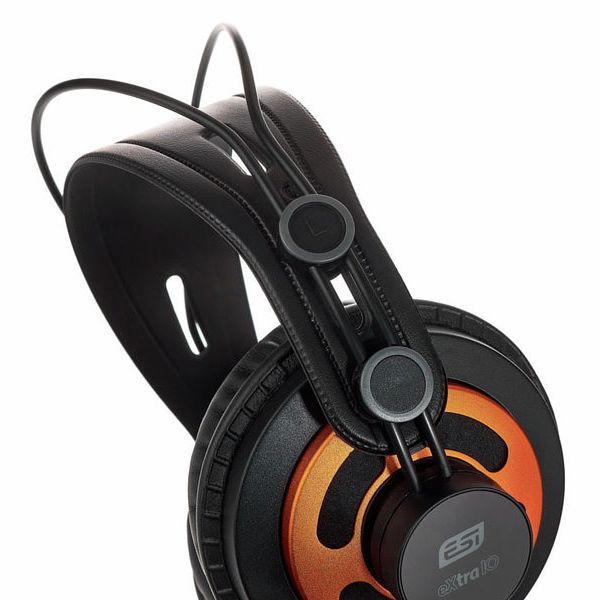
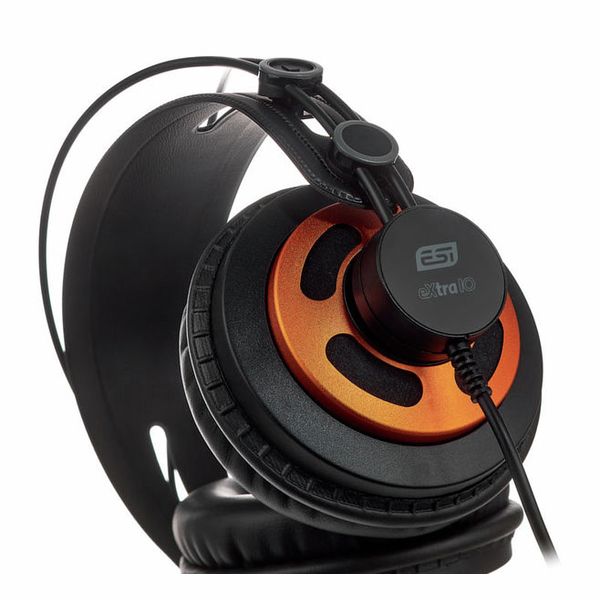
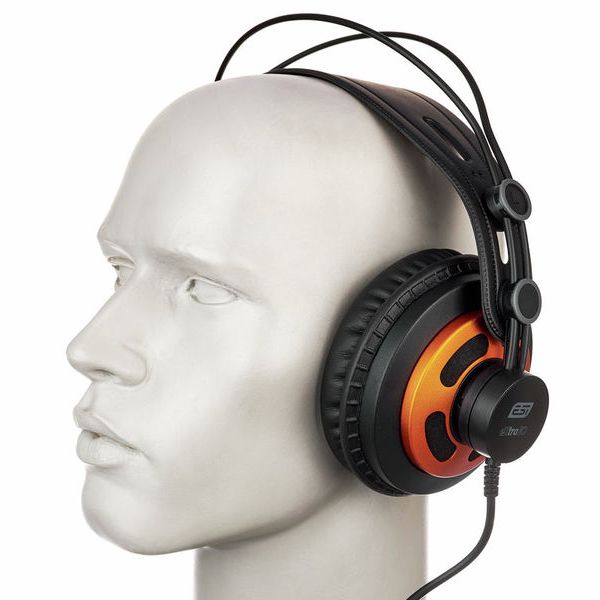
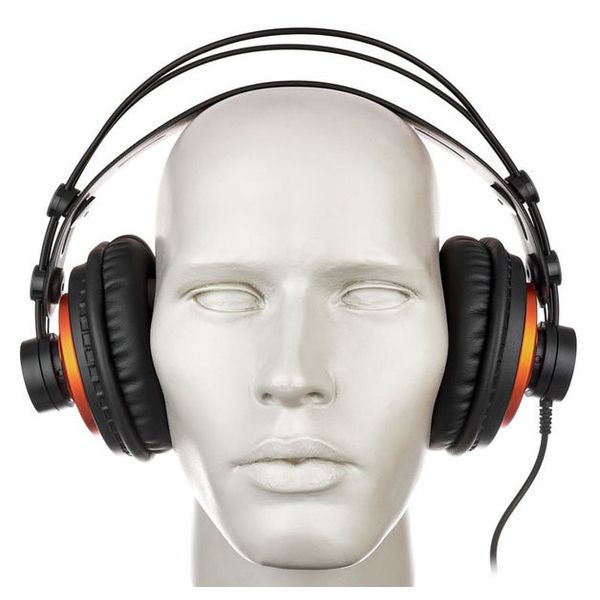
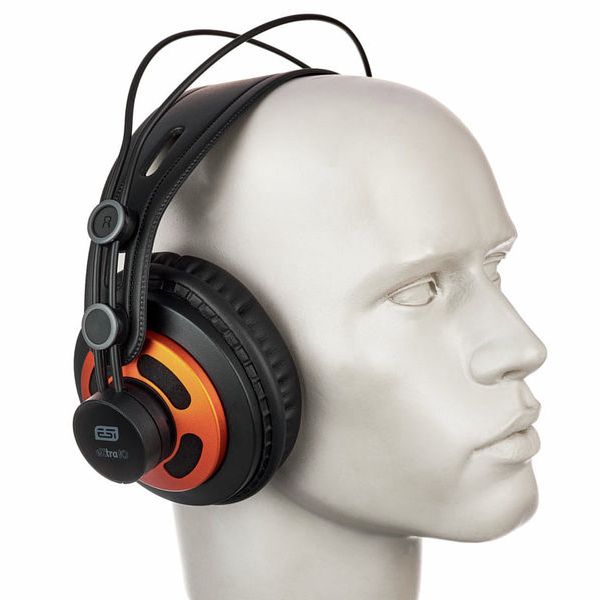
The eXtra 10 employs an over-ear, semi-open design with 32 Ohm impedance and a frequency response spanning 15 Hz to 29,000 Hz. Its black finish is understated, and the overall weight of 400 grams keeps the headphones reasonably light for extended use. The headband incorporates an elastic adjust mechanism that auto-fits to the wearer’s head, a feature appreciated for comfort but which raises concerns about long-term durability as the elastic string cannot be replaced easily.
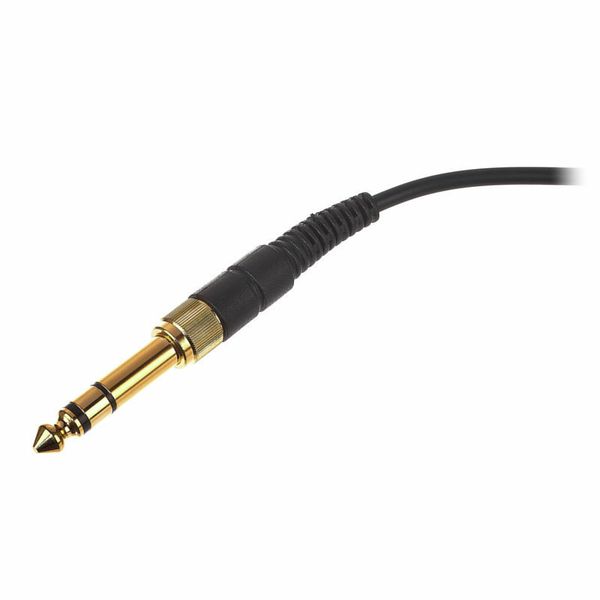
The ear pads come with artificial leather, which some users find uncomfortable over prolonged sessions; replacing them with velour cushions from other models, such as AKG, significantly improves comfort and breathability. The fixed 2.5-metre cable, ending in a 3.5 mm stereo jack with screw adapter to 6.3 mm, lacks the convenience of a detachable design, and while the cable quality is functional, it is not especially robust.
Sound Performance
Out of the box, the eXtra 10 delivers a clear and pleasant sound profile with a good stereo image and well-defined lows and highs. Its semi-open nature allows for an airy quality in the soundstage, distinguishing it from closed-back headphones that lean towards a more isolated listening experience.
Compared with established competitors like the AKG K-702 or Beyerdynamic DT 770, the eXtra 10 does not quite match their level of refinement or detail. However, thanks to the included dSONIC Realphone software, the headphones compensate significantly by accurately simulating various control room acoustic spaces, enhancing the accuracy and neutrality vital for mixing and monitoring tasks.
Use of dSONIC Realphone Modelling Software
The distinguishing feature of the eXtra 10 is the bundled modelling software, which is available as a plug-in for DAWs supporting VST2, VST3, AU, and AAXnative, or as a standalone application. This software emulates different studio environments and playback systems, allowing users to simulate how their mixes will sound on a range of speakers and headphones. Adjustments via EQ and room simulation parameters provide an effective corrective function that flattens the frequency response and gives a better impression of professional monitoring.
Users have found the software to be intuitive and beneficial, especially when mixing without access to expensive monitors or an optimally treated room. Although the basic version is included for free, upgrading unlocks additional features and more simulated devices. A limitation noted is the lack of system-wide audio processing, meaning playback outside the software does not benefit from the modelling unless routed through it.
Comfort and Practical Considerations
Wearing these headphones for an hour or two is generally comfortable, aided by the semi-open design and auto-adjusting headband. The leather ear pads, however, can cause sweating; alternative velour pads remedy this issue effectively, without affecting compatibility. The headphones’ 400-gram weight is a good compromise between sturdiness and lightness.
The fixed cable is a drawback for long-term durability. Users must handle the cable carefully as replacement is not straightforward. Build materials lean towards budget-level plastics, meaning this is not a product for rough handling or professional touring needs.
Conclusion
, the ESI eXtra 10 offers excellent value for money, especially when considering the studio simulation software included. The headphones provide a pleasant, clear sound suitable for mixing in untreated environments, with the modelling software adding considerable control over the listening context. While it cannot rival high-end or even mid-tier studio headphones on raw sound quality or build robustness, the total package fits well for home studios on a budget.
The true strength lies in the software-headphone combination, enabling more informed mixing decisions without investing in expensive monitors or acoustic treatment. Users prioritising comfort should consider replacing the supplied ear pads right away. The fixed cable and slightly lightweight construction represent minor compromises on build quality.
Overall, the ESI eXtra 10 is recommended for beginners or home studio owners looking to improve their monitoring capabilities for around £44, especially if they plan to exploit the advantages of the dSONIC Realphone modelling software.