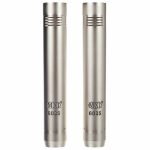
Earthworks Audio ICON


Special features of Earthworks Audio model
- Small-diaphragm condenser microphone with USB-C connection
- Optimised sound for home recording, streaming, podcasting, interviews, gaming, web conferencing and content production
- Polar pattern: Cardioid
- Frequency response: 20 – 20,000 Hz
- Max. sound pressure level: 132 dB
- Signal-to-noise ratio: 70 dB A-weighted
- Headphone impedance: 16 Ohm (typical)
- Headphone output power: 50 mW (into 16 ohms)
- Off-axis attenuation to minimise room noise
- With integrated LED status indicator
- With gain control, mute function and headphone output (3.5 mm jack)
- Headphone output with sidetone function (Windows / Linux only)
- Plug-and-play
- Stainless steel windscreen with integrated pop filter
- Power supply: USB bus-powered
- Dimensions (L x D): 141 x 41 mm
- Weight: 680 g
- Colour: Stainless steel
- Includes matching desktop microphone stand and USB cabledesigned and manufactured in the USA
Images


Additional Information
Customer Review Summary
I recently had the pleasure of testing the Earthworks Audio ICON, and I must say, it is an impressive plug-and-play USB microphone that delivers superb sound quality. It rivals many XLR microphones in terms of audio fidelity, making it a fantastic choice for both streamers and broadcasters.
The build quality of the ICON is top-notch, providing a robust feel that inspires confidence in its durability. One of the standout features is its very flat frequency response, which ensures that everything sounds natural and true to life. This characteristic is particularly beneficial for capturing vocals and instruments with clarity.
However, it is worth noting that the microphone does not come with a dedicated software package. It would have been advantageous to have accompanying software like Wave Link, Beacn Mic, or Presonus, especially given its target market. Despite this minor drawback, the performance of the ICON is outstanding, making it a worthy investment for anyone serious about their audio production needs.
Read more…