
Field Test · Studio Gear Review
Yamaha HPH-MT8
Technical Assessment of Yamaha’s Closed-Back Over-Ear Professional Headphones
 Yamaha
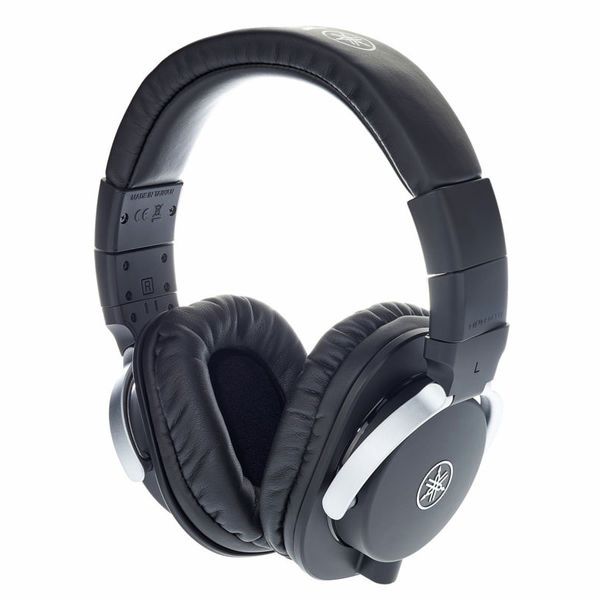
- Studio Monitor Headphones
- This is what customers who viewed this product bought
- Accessories & matching items
- 91Customer ratings
- Compare options
- Smart Navigator
Spec Sheet
- Suitable for studios, music production and listening to music
- Foldable
- Three-dimensional swivel arm construction
- Sturdy ABS protective cover as well as aluminum die-cast support arms
- Removable ear cups allow for one-ear monitoring
- Circumaural
- Closed
- Impedance: 37 Ohm
- Frequency response: 15-28000 Hz
- Maximum input level: 1600 mW
- SPL 102 dB / mW
- 45 mm dynamic CCAW voice coil driver
- One-sided cable routing
- High quality leather
- Weight with cable: 350 g
- Colour: Black
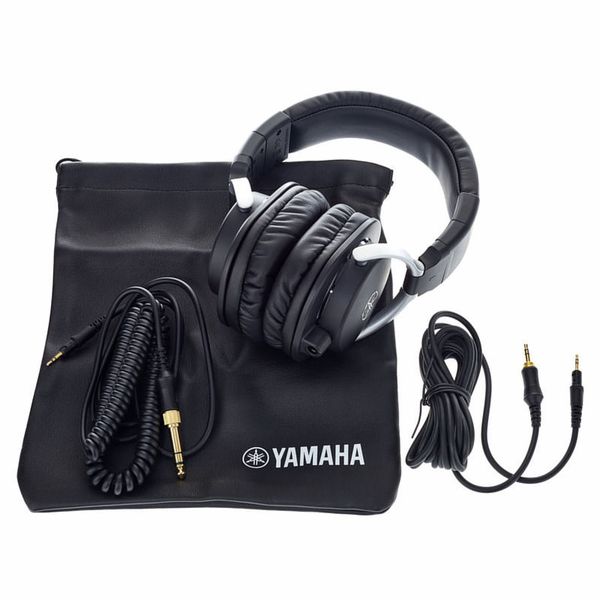
- Includes 1.2 m spiral cable, 3 m straight cable, both with 3.5 mm jack, 6.3 mm adapter and pouch
Studio Log
| Available since | December 2016 |
|---|---|
| Item number | 403850 |
| Sales Unit | 1 piece(s) |
| Design | Over-Ear |
| System | CLosed Back |
| Impedance | 37 Ohms |
| Frequency range | 15 Hz – 28000 Hz |
| Adapter | Yes |
| Marrone/Argento | Black |
| Max. SPL | 102 dB |
| Sensitivity | 102 dB |
| Type Of Connector | Mini Jack |
| Adaptor | Yes |
| Weight | 350 g |
| Colour | Black |
Demo Footage
Field Photography
QC Pass — Field Test
Customer Review Summary
Introduction
The Yamaha HPH-MT8 headphones, launched in December 2016, present themselves as a serious contender in the professional closed-back headphone market. Priced around £210, these over-ear headphones are marketed primarily for studio, music production and critical listening environments. This review examines their key technical characteristics alongside real-world user insights, assessing how well they meet the demanding needs of audio professionals.
Design and Build Quality
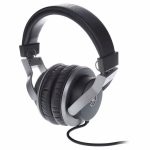
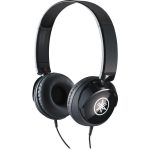
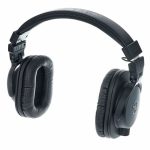
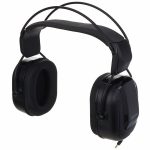
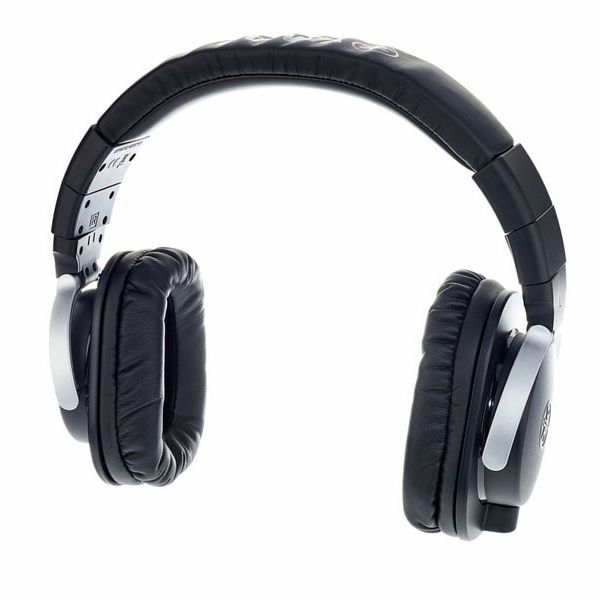
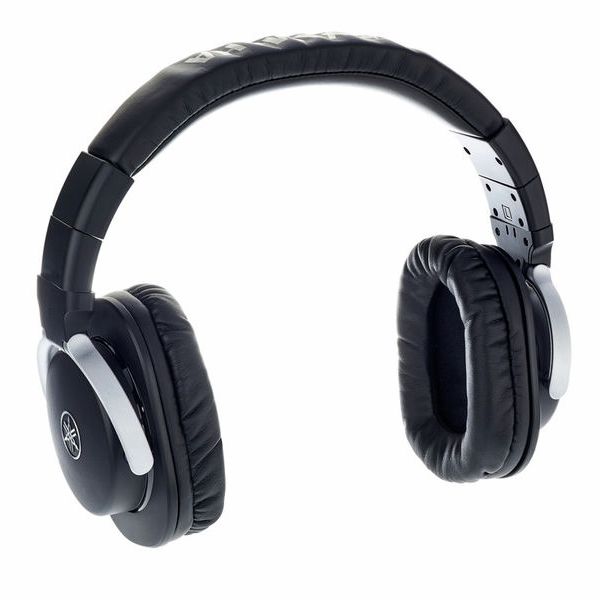
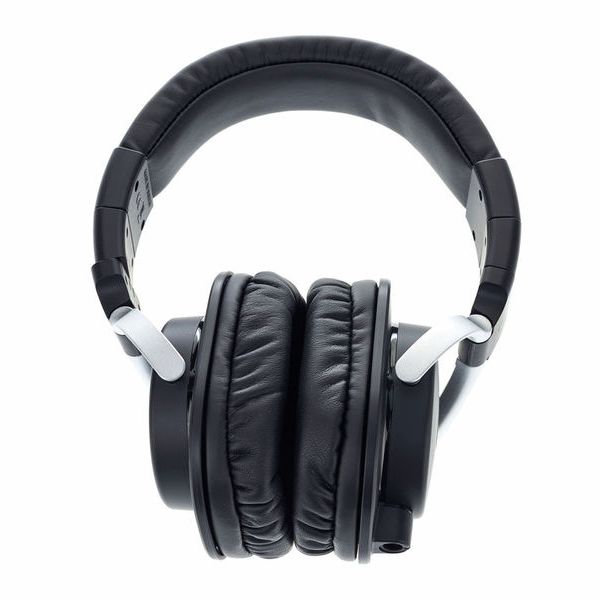
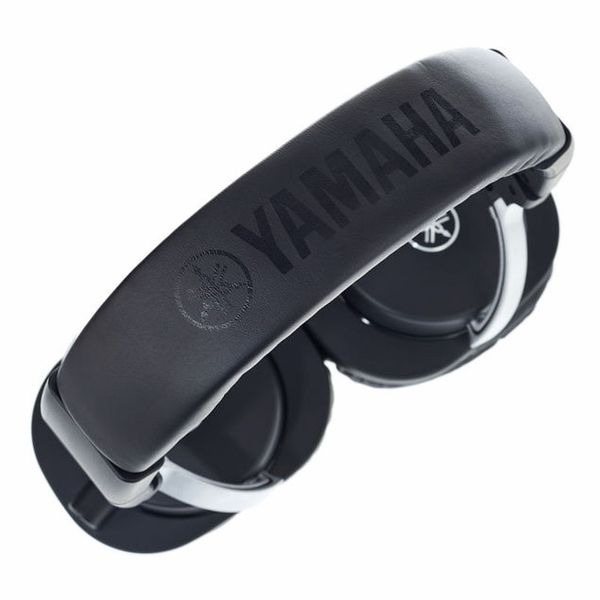
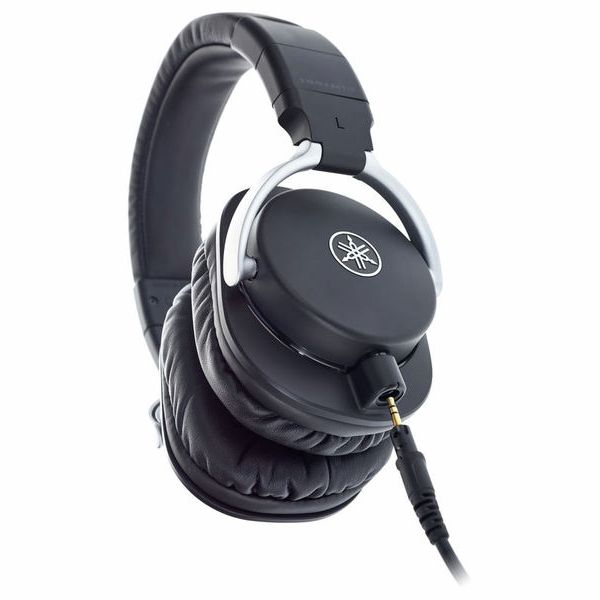
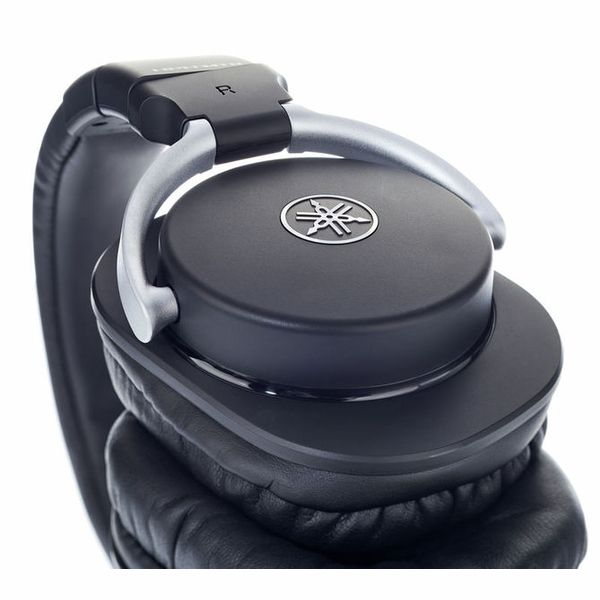
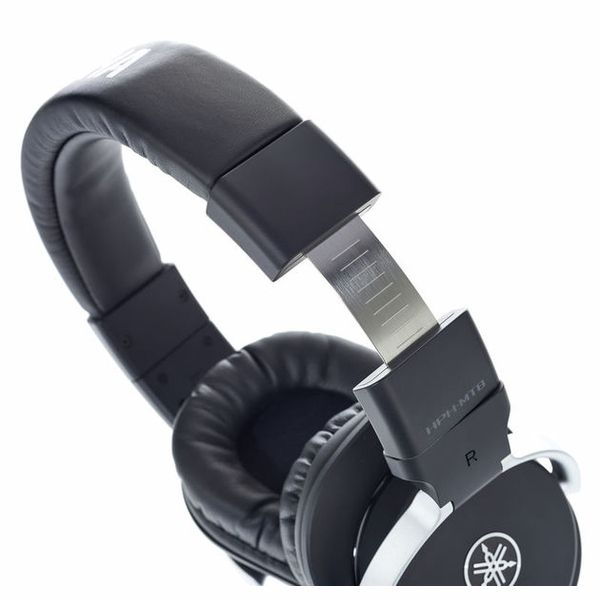
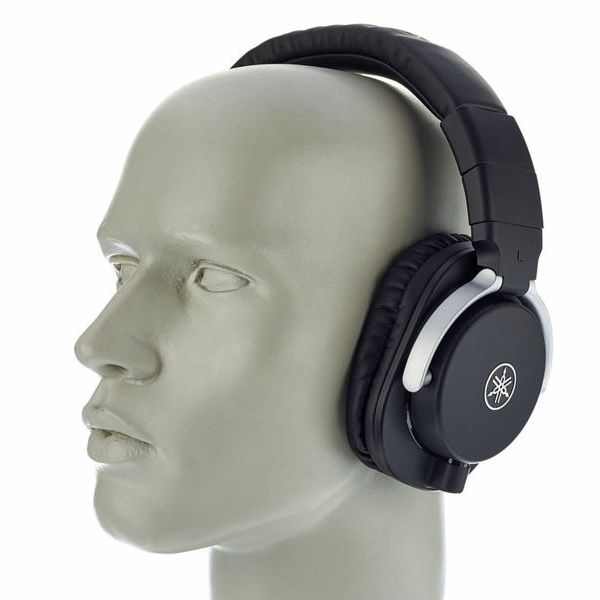
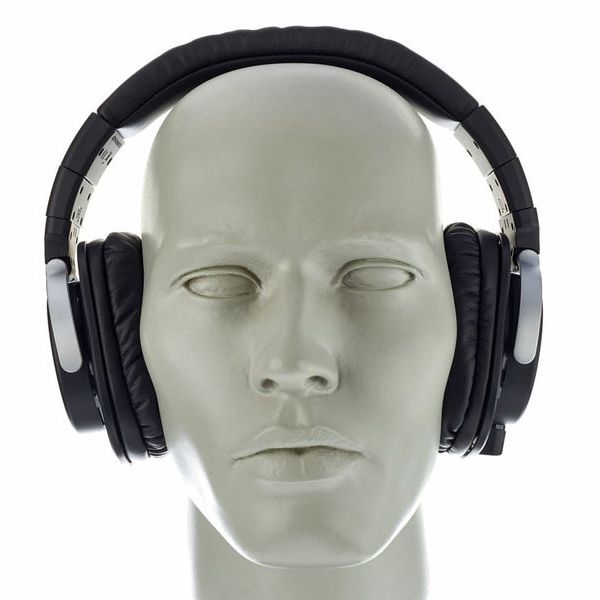
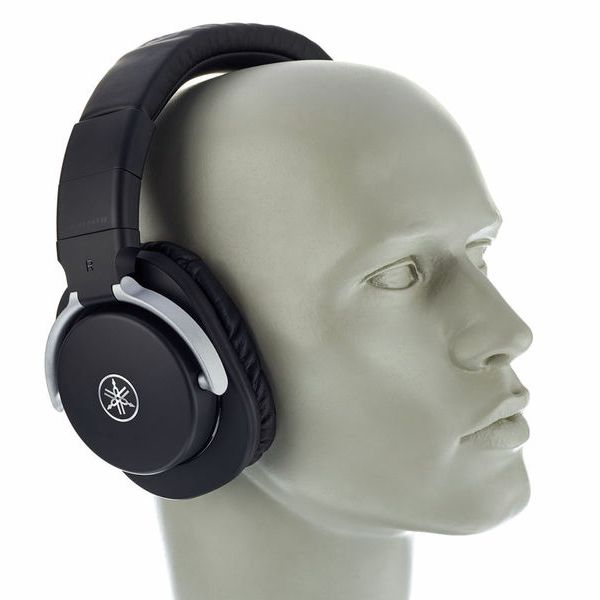
The HPH-MT8 features a robust construction that combines a sturdy ABS plastic shell with aluminium die-cast support arms, reflecting Yamaha’s commitment to durability. The headphones sport an over-ear, circumaural, closed-back design intended to provide passive isolation from ambient noise. The black colour scheme and leather ear pads add a professional aesthetic and improve noise isolation. The ear cups are three-dimensionally swivelled and foldable, enhancing transportability.
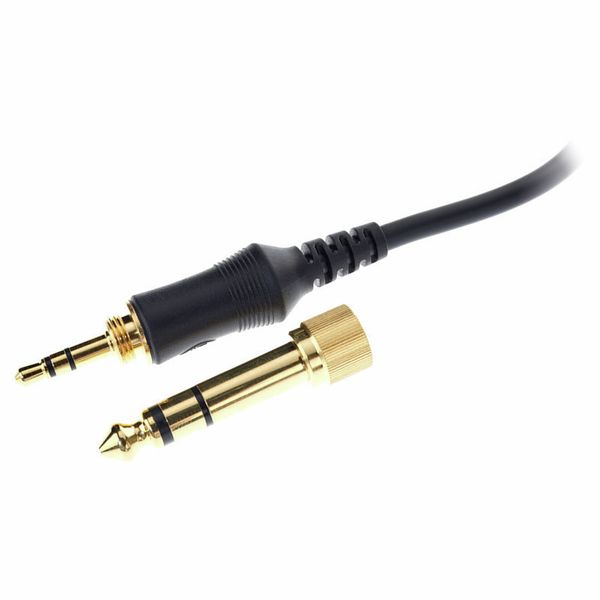
Included accessories comprise a 1.2 metre spiral cable, a 3 metre straight cable, 3.5 mm jack connectors, and a 6.3 mm adapter, all detachable via a proprietary 2.5 mm bayonet jack on the headphones’ side. This detachable cable design supports easy replacement, although it restricts use to compatible cables only, a factor worth noting for potential buyers seeking generic replacements.
Weighing 350 grams including cable, the device is relatively hefty but generally well balanced. Several users note a comfortable fit for sessions extending beyond an hour, though some report slight pressure on the head and ears during prolonged use, particularly when the head tilts downward.
Sound Performance
The standout attribute of the Yamaha HPH-MT8 is its remarkably linear and neutral sound signature. It effectively reproduces frequencies from a deep 15 Hz bass range up to a clear 28 kHz high end, powered by 45 mm dynamic drivers with copper-clad aluminium wire voice coils.
- Neutral Frequency Response: The HPH-MT8 does not artificially enhance any frequency band. Bass is detailed and extends deeply without excessive boom, midrange is natural and uncoloured, while the treble remains controlled with slightly recessed air frequencies due to the closed-back design.
- Clarity and Detail: Listeners appreciate the clear and precise rendering of complex tracks, with the headphones excelling at revealing subtle details such as reverb tails and micro-dynamics, making them highly suitable for mixing and mastering tasks.
- Dynamic Range and Maximum Sound Pressure Level (SPL): With a maximum input level of 1600 mW and sensitivity of 102 dB/mW, the headphones can deliver strong, distortion-free volume, suitable for demanding studio monitoring.
- Soundstage and Imaging: Despite being closed-back, the HPH-MT8 impresses with a spacious and three-dimensional stereo image, which assists critical listening and instrument placement decisions.
Compared to competitors such as Beyerdynamic DT770 Pro and Audio-Technica ATH-M50X, the Yamaha excels in neutrality, avoiding exaggerated bass or sharp treble that can mislead mixing decisions. However, some users feel the restrained high frequencies lack “excitement” for casual listening, which might be a drawback for non-professional use.
Comfort and Usability
The headphones’ design emphasises a blend of comfort and stability. The ear pads are covered in high-quality leather that contours well to ears and offer moderate passive noise isolation. However, the leather material has shown signs of wear over extended periods, with some users reporting delamination and crumbling, which affects comfort and longevity.
Weight and clamping force are balanced: sufficiently firm to maintain good seal and isolation, yet may cause discomfort during long sessions or with head tilts. The headband padding is minimal, contributing to this sensation. Users accustomed to softer padding options such as Beyerdynamic models may find the HPH-MT8 slightly rigid.
Its foldable design allows compact storage in a supplied protective pouch, making it convenient for transport despite its size and weight.
Connectivity and Adaptability
The HPH-MT8’s low impedance of 37 ohms enables compatibility with a wide range of devices, including smartphones, tablets, and audio interfaces without demanding specialised amplification. Included cables and 6.3 mm adapter provide versatile connectivity options for both mobile and studio use.
However, the proprietary bayonet connector limits the use of third-party cables, which may inconvenience power users seeking universal replacements or custom cables.
Strengths and Limitations
Strengths
- Exceptionally neutral and detailed sound reproduction, ideal for critical monitoring
- Robust, professional build with practical foldable design and quality materials
- Low impedance enables direct use with consumer devices and professional equipment
- Swappable cables, including straight and spiral types, increase flexibility
- Good isolation for a closed design without artificial sound shaping
- Impressive imaging and spatial detail uncommon in closed-back headphones
Limitations
- Leather earpads prone to wear, impacting long-term durability and comfort
- Clamping pressure and band design can cause discomfort over extended use
- Proprietary connector restricts cable options
- Does not exhibit “exciting” frequency boosts some users expect for casual listening
- Moderate ambient noise isolation compared to competitors with thicker padding or active noise cancelling
Conclusion
The Yamaha HPH-MT8 is best described as a high-precision, professional-grade closed-back headphone that prioritises faithful and uncoloured audio reproduction over aesthetic enhancements or exaggerated sound character. It serves well in studio environments for recording, mixing and mastering, where an honest representation of the sound is essential.
Its combination of build quality, sound neutrality, and adaptability to various devices makes it a compelling choice at its price point, especially for musicians and producers requiring a reliable monitoring tool. While comfort and durability issues with the leather pads remain, these can often be mitigated through replacement or different earpad choices.
For users seeking a “fun” or consumer-friendly sound profile with boosted bass or treble, alternatives like Beyerdynamic DT770 Pro or AKG K-271 MKII may feel more engaging but less accurate. The HPH-MT8’s strength lies in revealing exactly what is present in the audio, a feature that has earned it strong recommendations among serious audio professionals over many years.