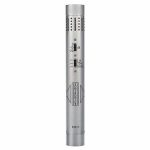
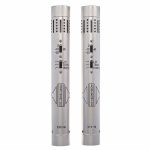
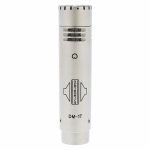
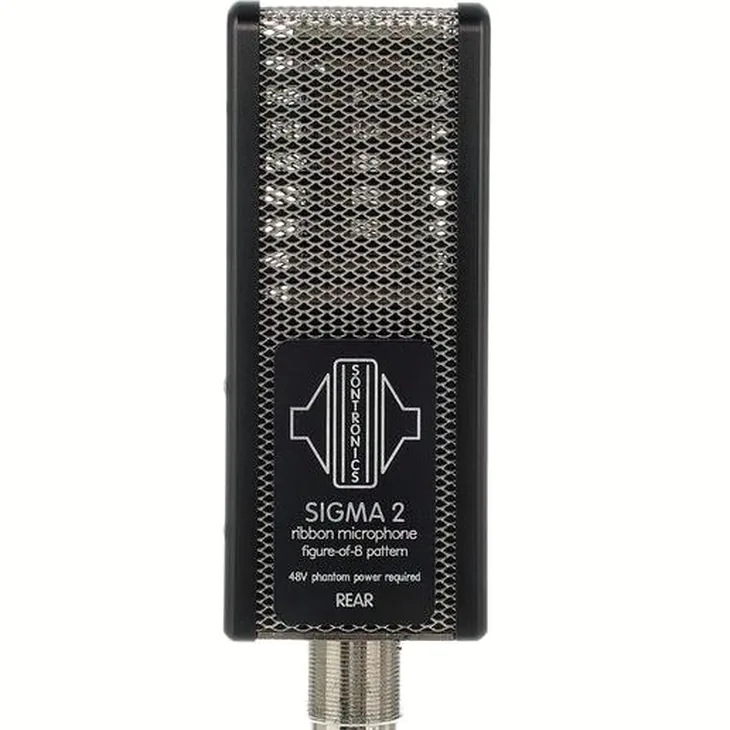
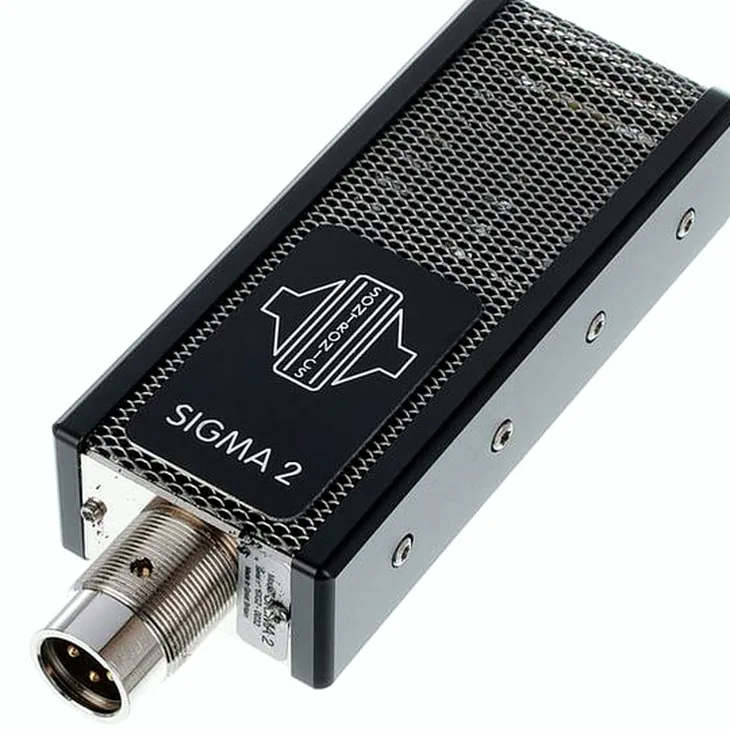
Sontronics Sigma 2


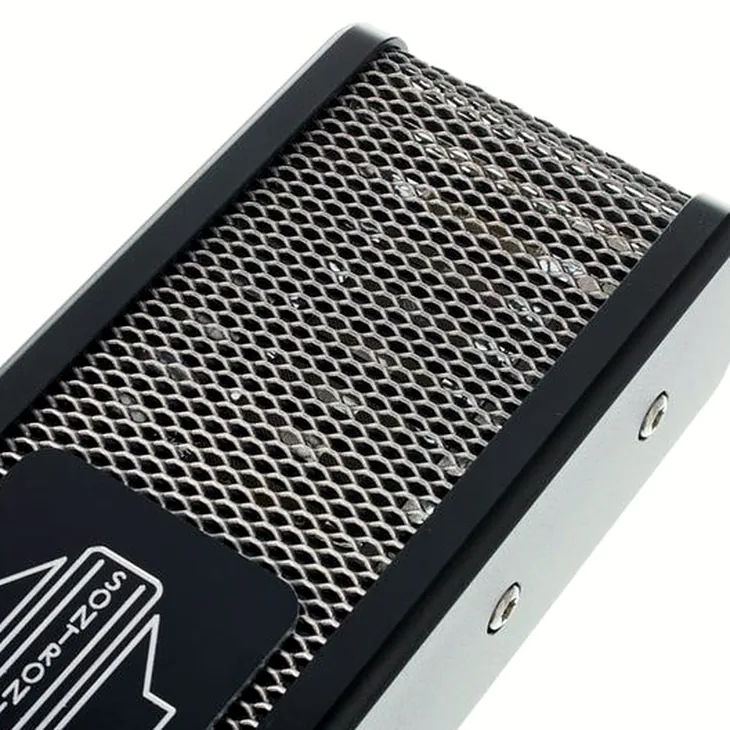
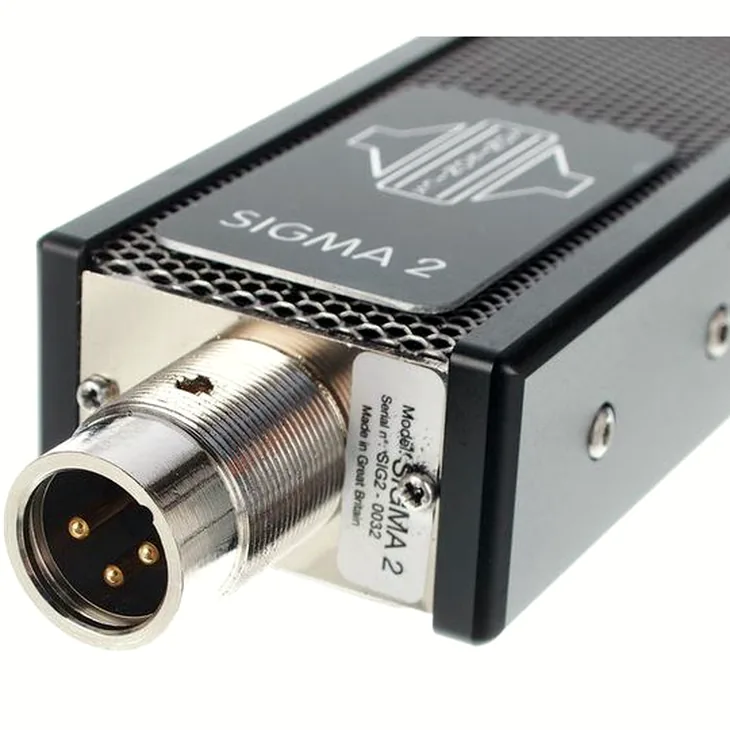
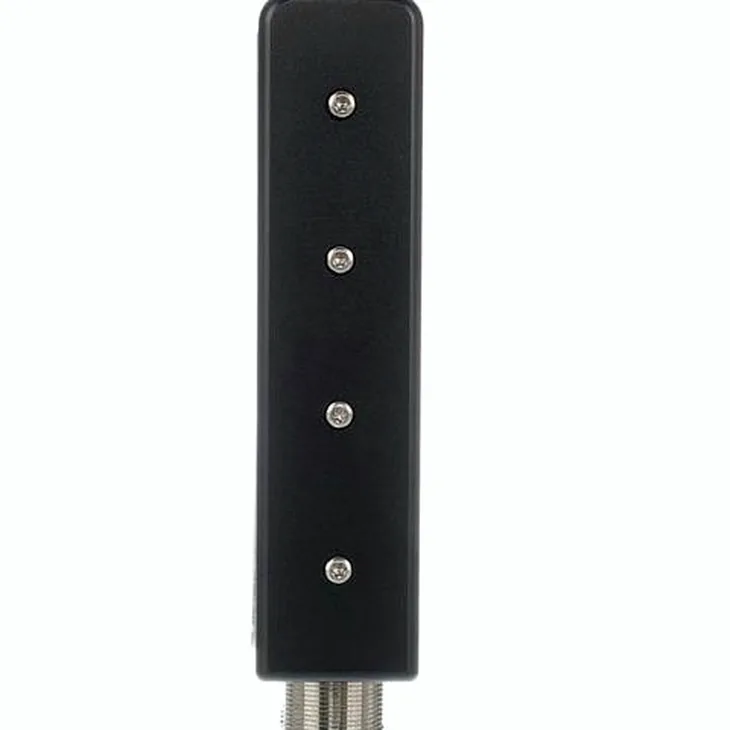
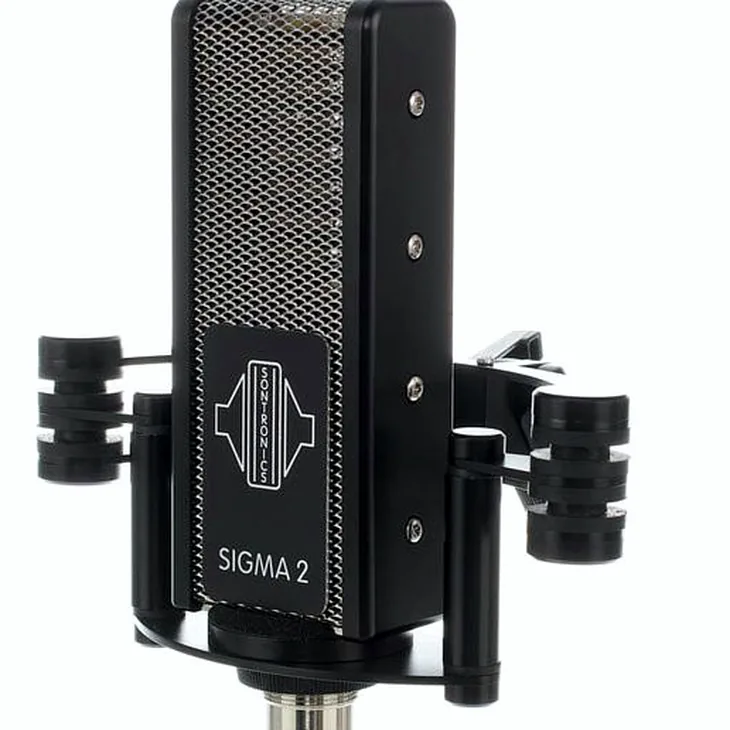
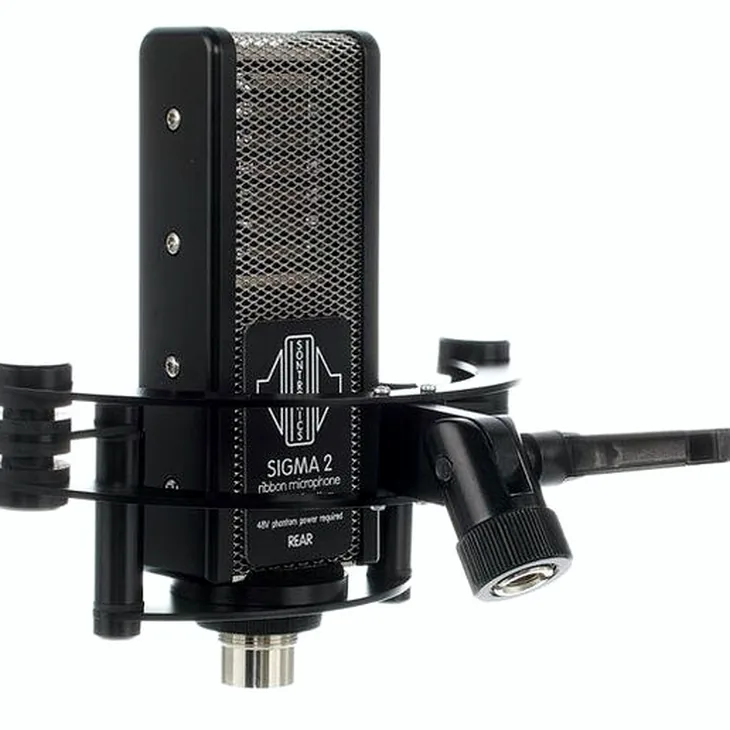
Construction and specifications of Sontronics Sigma 2
- Polar pattern: Figure-8
- Frequency response: 20 – 15,000 Hz
- Sensitivity: 18 mV/Pa -33 dB ± 1.5 dB (0 dB = 1 V/Pa @ 1.000 Hz)
- Impedance: 150 Ohms
- Max SPL (for 0.5% THD @ 1kHz): 125 dB
- Inherent-noise: 10 dB (A-weighted)
- Power supply: 48 V phantom power
- Dimensions: 164 x 50 x 32 mm
- Weight: 421 g (841 g with shock mount)
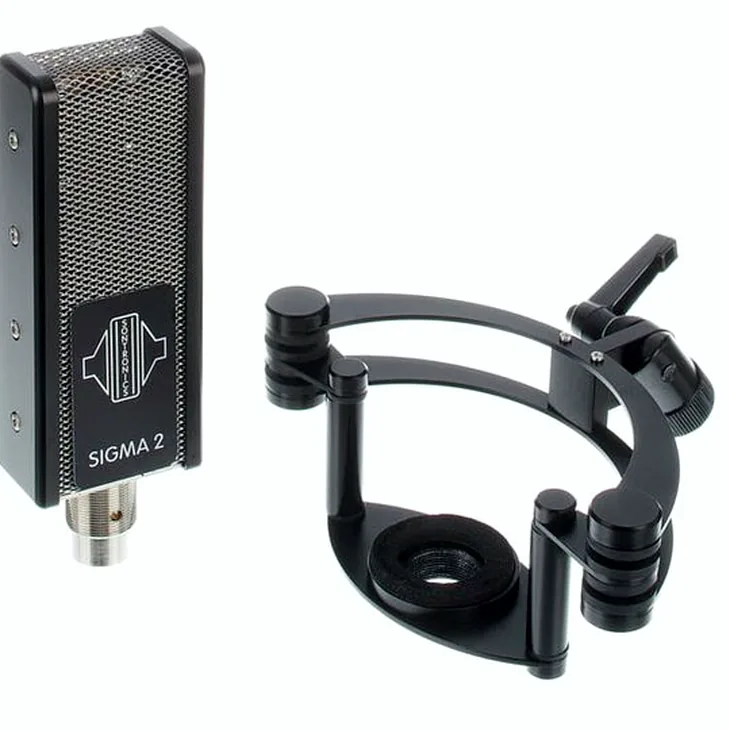
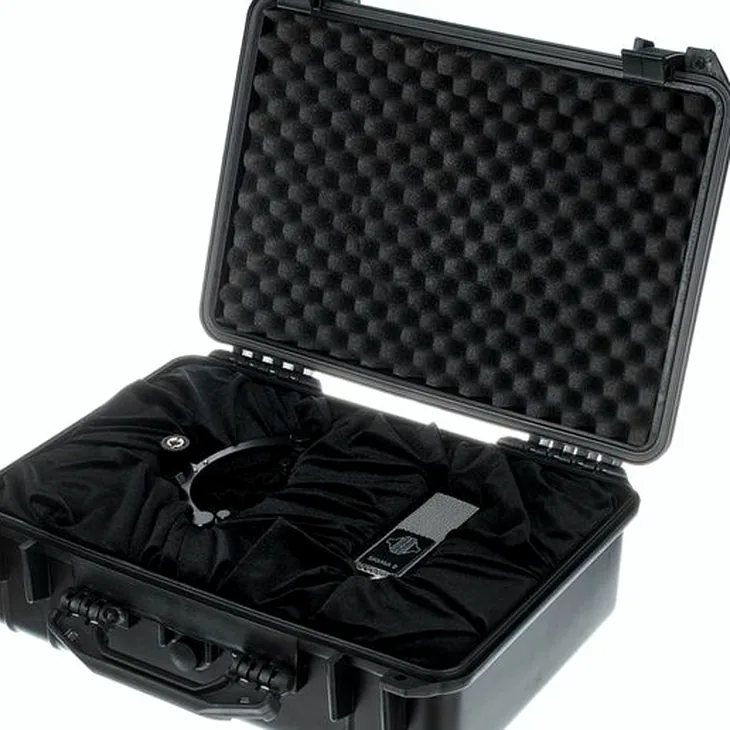
- Incl. shock mount and case
Images
Additional Information
Customer Review Summary
The Sontronics Sigma 2 is an exceptional ribbon microphone that offers a remarkable quality-to-price ratio. With four years of use on tenor saxophone, double bass, and vocals, I can attest to its durability—provided it’s stored properly in its slightly oversized case. It’s crucial to maintain a distance of 40 to 50 cm to accurately capture the full frequency spectrum without overwhelming the lower mids. An antipop filter is essential for vocal recordings, even at a distance, and a high-pass filter is recommended before mixing depending on the source.
The sound quality is surprisingly clear and natural for a ribbon microphone, maintaining a rich warmth in the mid-range while allowing for detailed high-range mixing when needed. Unlike some condenser microphones, which can be overly aggressive in the high frequencies, the Sigma 2 excels in transient response and delivers a very natural representation of acoustic instruments. It adapts well to various preamps without requiring high input impedance, although phantom power at 48V is necessary. It pairs beautifully with a Rupert Neve 511 preamp.
However, the included shock mount does not sufficiently dampen vibrations, and its foam can wear out over time, suggesting the need for an alternative mount. Additionally, while the microphone is built with RF filtering, it may still pick up slight buzzing in environments rich in electromagnetic frequencies, like urban settings. It’s advisable to use high-quality balanced cables.
Overall, the Sigma 2 produces a warm sound that is nearly linear in the lows and mids, with a pronounced proximity effect. While crisp highs are not its primary focus, EQ adjustments can enhance them without muddiness. The build quality is impressive, with a stylish retro aesthetic. After a year and a half of use, it remains my favourite microphone, especially for recording string instruments like cello and violin, where it delivers a full and balanced sound. The microphone was worth every penny, and its vintage character adds a unique charm to recordings.
Read more…