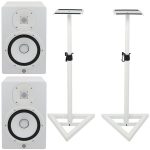
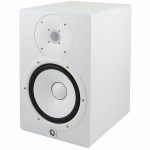
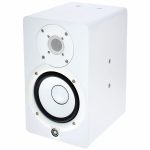
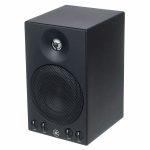
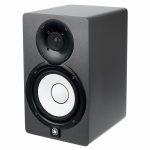
Yamaha HS 8


Key features of Yamaha products
- 8″ Woofer (75 W) + 1″ Tweeter (45 W)
- Power: 120 W biamp
- Bass reflex system
- Frequency range: 38 Hz – 30,000 Hz
- Inputs: balanced XLR and 6.3 mm balanced jack
- Adjustable input level
- Room control and high trim response control
- Dimensions (WxDxH): 250 x 334 x 390 mm
- Weight: 10.2 kg
- Price per item
Images


Additional Information
Customer Review Summary
Yamaha HS 8 Studio Monitors Review
I recently upgraded to the Yamaha HS 8 monitors for my home studio, and I must say, they are exceptional for the price. The sound quality is outstanding, offering a clear and flat response across the frequency spectrum, which is crucial for mixing and mastering. Compared to my previous monitors, the HS 8s have significantly improved my ability to hear details in mixes, allowing me to catch mistakes that I previously missed.
The bass response is impressive without being overpowering, making a subwoofer unnecessary for most genres. However, I found that in smaller rooms, the bass can be quite pronounced, so acoustic treatment is advisable to optimise performance. The monitors are quite heavy and sturdy, suggesting durability, but their rear bass port means they need some space from walls to avoid muddiness.
One notable feature is the adjustable controls on the back for high and low frequencies, which can help tailor the sound to your room. However, the positioning of these controls can be a bit inconvenient for daily use. Aesthetically, the HS 8s are attractive with their iconic white cones and robust build, making them a stylish addition to any studio setup.
In terms of performance, they deliver excellent clarity and detail, making them suitable for a range of audio applications from electronic music to acoustic recordings. Overall, I highly recommend the Yamaha HS 8 monitors for anyone seeking affordable, studio-quality reference sound. They provide a solid investment for both amateur and professional audio work.
Pros: Great sound clarity, excellent bass response, sturdy build quality, and good aesthetic appeal.
Cons: Rear bass port requires space, controls on the back can be inconvenient.
The Yamaha HS 8 monitors deliver an impressive studio-quality reference sound that is perfect for mixing and production. Users have noted the flat EQ response, which allows for accurate sound reproduction and a reliable stereo field. Many have appreciated the substantial low-end presence, eliminating the need for a subwoofer, making them ideal for various genres, especially orchestral mixing.
Despite their affordability, these monitors are praised for their clean and neutral sound, with one user highlighting a remarkable rediscovery of frequencies that were unclear on previous models. The monitors are aesthetically pleasing and considered exceptional value for their price range.
However, some users have encountered durability issues, with reports of background noise and premature component failure. While these concerns exist, the overall performance in terms of panning and layering capabilities has been described as a dream, particularly for those involved in sound engineering and music production.
Overall, the Yamaha HS 8 monitors are highly recommended for their sound quality and reliability in studio settings, with the caveat that users should be mindful of their acoustic environment to avoid muddiness in certain mixes.
Read more…