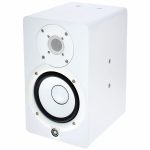
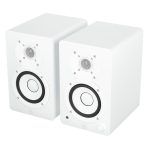
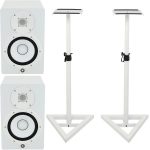
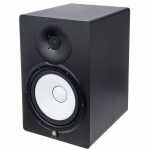
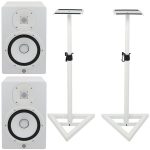
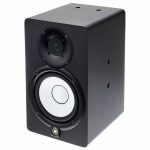
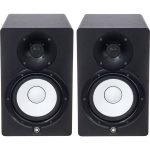
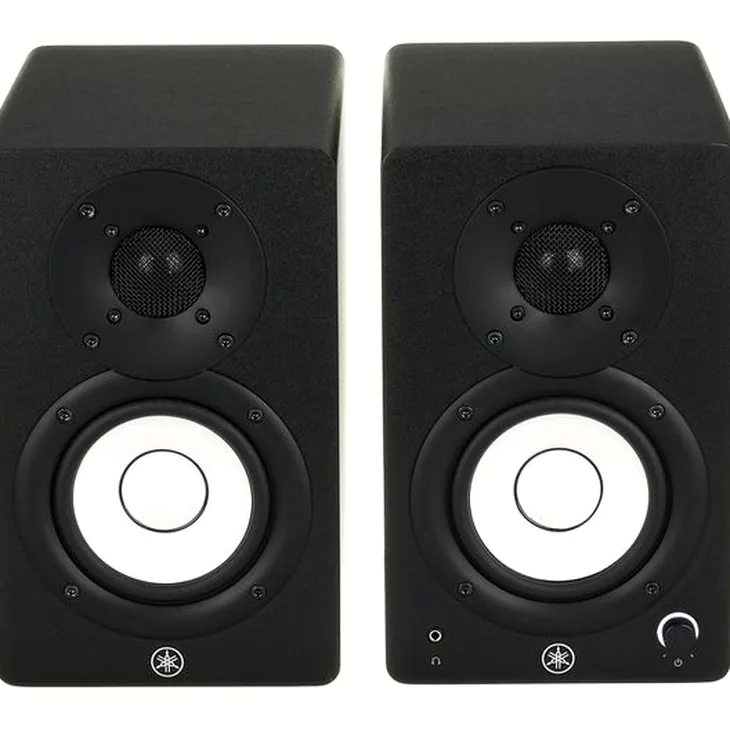
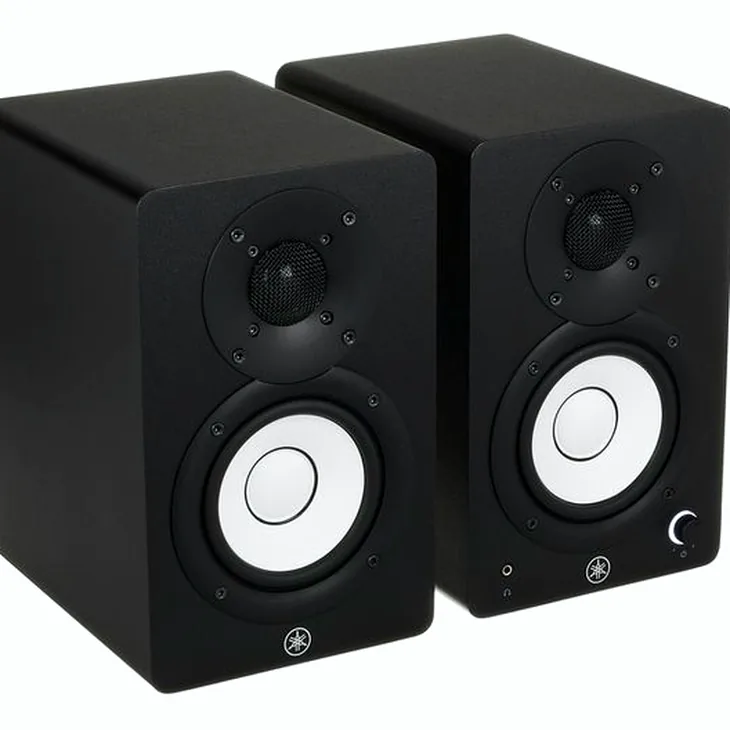
Yamaha HS 4


Main features of Yamaha monitors
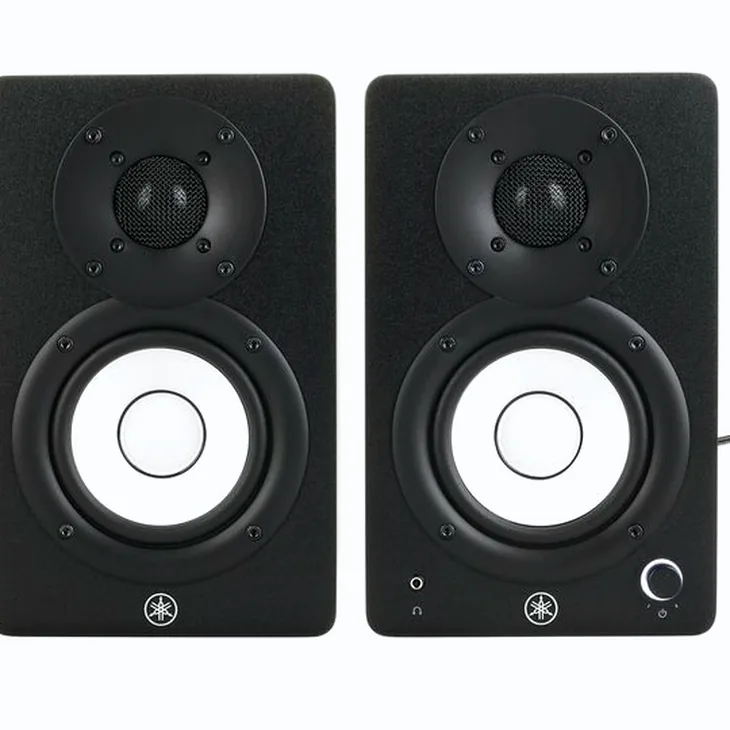
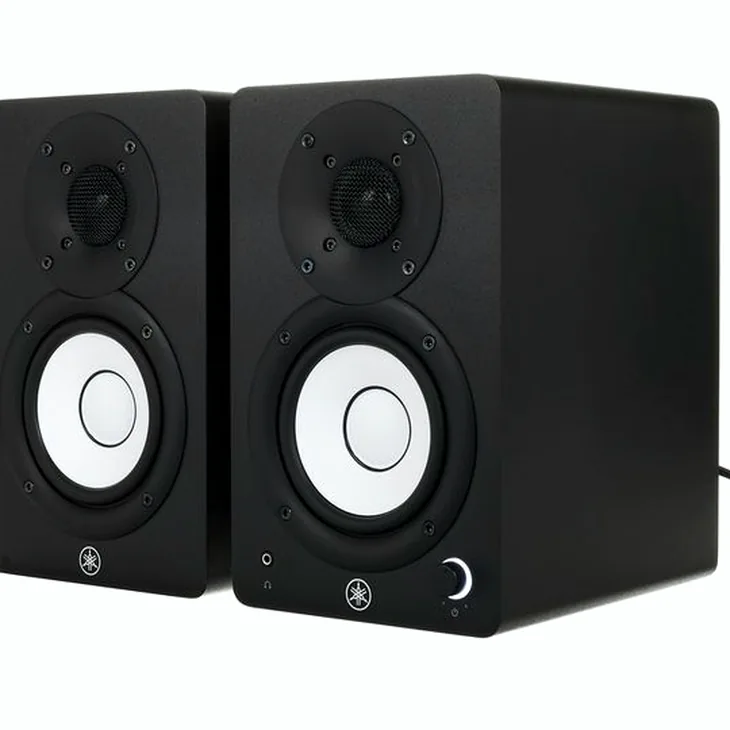
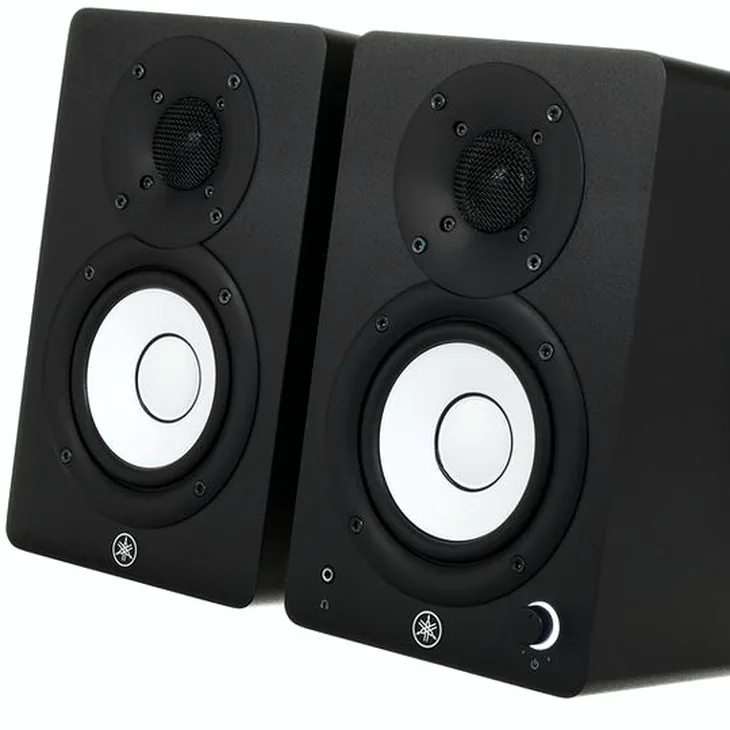
- Equipped with: 4.5″ woofer, 1″ tweeter
- Power: 20 W + 20 W (THD 0.1 %, 1,000 Hz, RL = 6 O)
- Frequency range: 83 – 20,000 Hz (+/- 3 dB) / 60 – 22,000 Hz (-10 dB)
- Crossover frequency: 3,200 Hz
- 102 dB max SPL
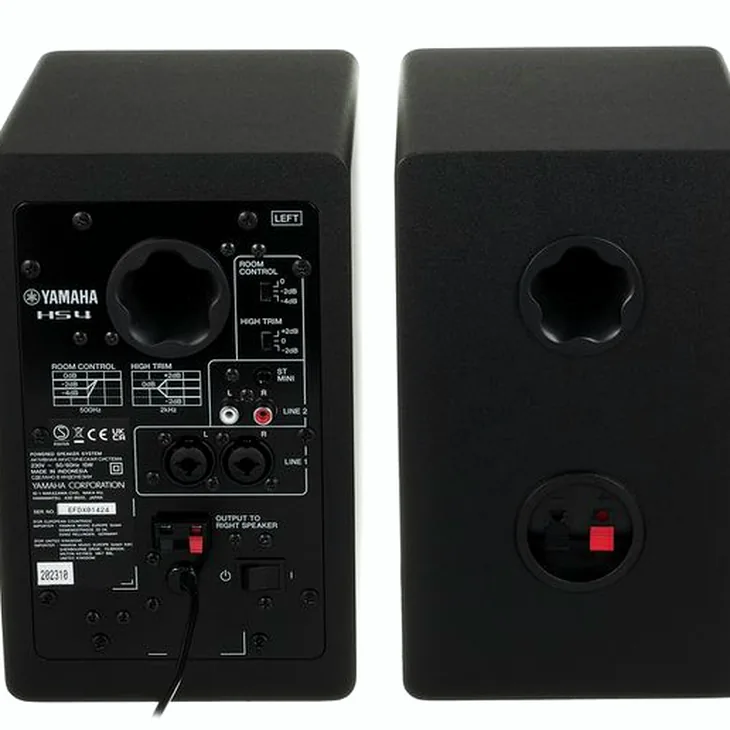
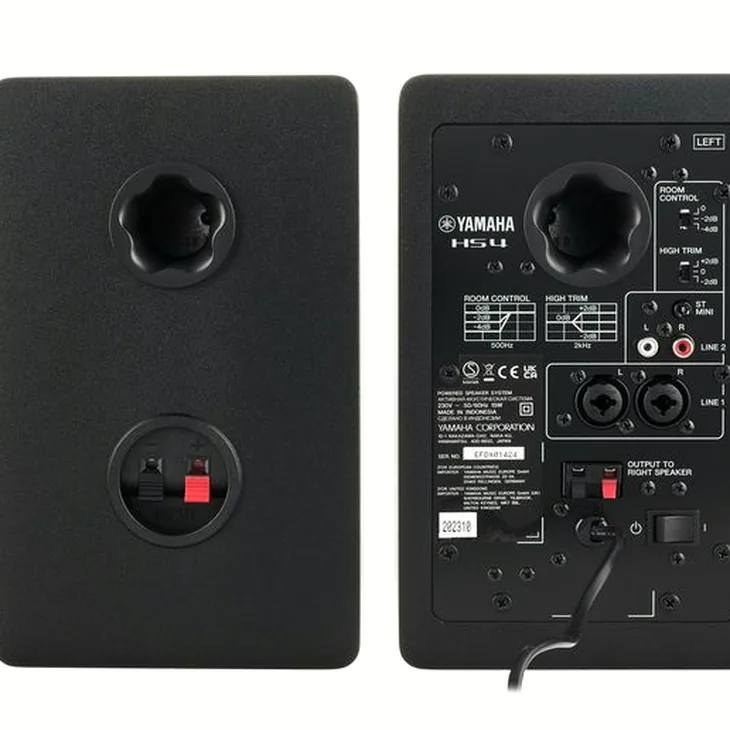
- Switches: Room Control (0 / -2 / -4 dB below 500 Hz), High Trim (+2 / 0 / -2 dB above 2,000 Hz)
- Volume control on the front
- Line inputs (left monitor): 2 x Combo XLR / 6.3 mm jack, 2 x RCA, 1 x 3.5 mm stereo mini jack
- 2x Terminal blocks on both monitors for mutual connection
- Dimensions (W x H x D): 150 x 240 x 213 mm (left monitor) / 150 x 240 x 203 mm (right monitor)
- Weight: 3.7 kg (left monitor) / 3.1 kg (right monitor)
- Colour: Black
- Includes anti-slip pad, stereo mini RCA cable and monitor L/R connection cable
Images

Additional Information
Customer Review Summary
The Yamaha HS 4 speakers are a solid choice for those seeking quality sound in a compact design. The audio clarity is commendable, offering a mid-bright sound that accurately represents audio without exaggeration. However, some users have noted that the high frequencies can feel somewhat lacking, which might require adjustments using an equaliser to enhance lower tones without sacrificing clarity.
One common point of feedback is the volume control; while the speakers perform well, many found that they needed to increase the volume significantly to achieve optimal sound levels, particularly when connected to devices like pianos or computers. Additionally, there’s a mixed response regarding the brightness of the volume indicator light, with some finding it overly bright and distracting.
Despite minor drawbacks, the build quality and design of the HS 4 speakers are praised, making them suitable for home studios and casual listening alike. They deliver a transparent sound that many users enjoy, proving to be a worthwhile investment for both hobbyists and those looking for reliable monitors for home use.
In summary, the Yamaha HS 4 speakers provide excellent sound quality for their size, though users should be prepared to adjust volume settings and possibly enhance bass frequencies to suit their preferences.
Read more…