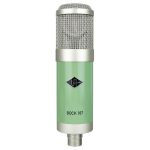
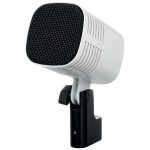
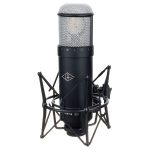
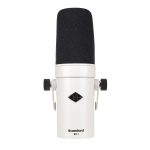
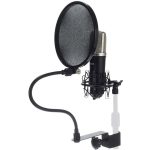
Universal Audio SC-1


Distinctive features of Universal Audio microphone
- Reproduction of the sound behaviour of different microphones
- Hemisphere plug-in controlled equalisation with filter, proximity and axis controls (even after recording)
- Polar pattern: Cardioid
- Frequency range: 20 – 20,000 Hz
- Sensitivity: -39 dB (0 dB = 1V/Pa @ 1 kHz)
- Output impedance: 200 Ohm
- Requires +48V phantom power
- Dimensions (L x Ø): 162 x 52 mm
- Weight: 363 g
- Includes microphone holder, thread adapter 5/8″ to 3/8″ and UA transport bag
Images


Additional Information
Customer Review Summary
The Universal Audio SC-1 is a versatile microphone that effectively fills the gap between high-end models like the SM7B and the Avantone CV12. It has proven to be a solid choice for both vocals and instrument recording, with a clear and detailed sound that competes well against more expensive options. In tests, it performed admirably, often preferred over other models in terms of sound quality, especially for untreated rooms.
One of the standout features of the SC-1 is its compatibility with Hemisphere mic modelling software, which adds significant flexibility to the recording process. Users appreciated the ability to simulate various microphone characteristics, allowing for subtle adjustments that can enhance the overall sound depending on the context. This feature makes the SC-1 a worthwhile investment for those seeking an affordable option without sacrificing quality.
While the build quality is commendable and gives an impression of durability, some may find the design a bit unassuming or cheap-looking. It’s important to note that the SC-1 does not come with a shock mount, which some users may consider essential for their home studio setup, although it was not deemed necessary by all.
Ultimately, the SC-1 offers a great balance of quality and price, making it a practical choice for budding producers and musicians. However, those who are looking for a more character-rich sound may find themselves leaning towards pricier options that provide a more distinct tonal quality.
Read more…