
Field Test · Studio Gear Review
beyerdynamic DT-770 Pro 32 Ohm
Thorough technical assessment of beyerdynamic’s DT-770 Pro 32 Ohm headphones
 beyerdynamic
- Studio Headphones
- THE reference for headphones
- The total package
- Accessories & matching items
- 617Customer ratings
- Compare options
- Smart Navigator
Spec Sheet
- Closed-back
- Circumaural
- Dynamic
- Diffuse field equalization
- Impedance: 32 Ohm
- SPL: 96 dB
- Frequency range: 5 – 35 000 Hz
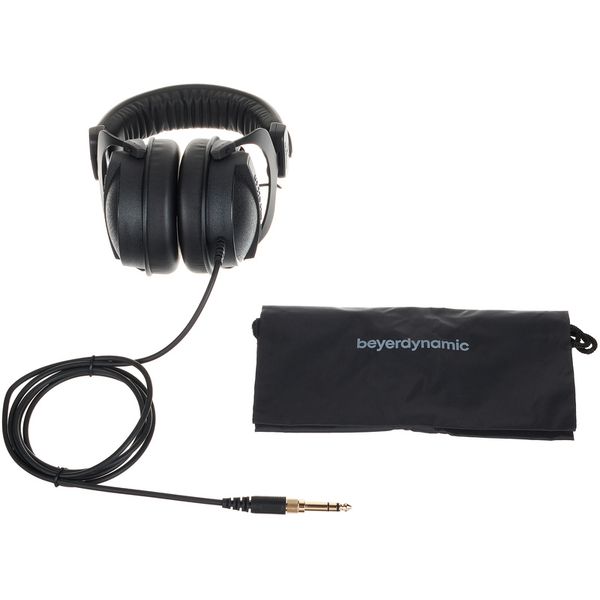
- 1.6 m Straight cable with 3.5 mm plug connector, single sided
- Screw-on adapter to 6.3 mm stereo jack
- Weight with cable: 317 g
- Weight without cable: 278 g
- Incl. drawstring bag
Studio Log
| Available since | July 2013 |
|---|---|
| Item number | 309906 |
| Sales Unit | 1 piece(s) |
| Design | Over-Ear |
| System | Closed Back |
| Impedance | 32 Ohms |
| Frequency range | 5 Hz – 35000 Hz |
| Adaptor | Yes |
| Replaceable Cable | No |
| Colour | Black |
| Max. SPL | 96 dB |
| Type Of Connector | Mini Jack |
| Weight | 278 g |
Demo Footage
Field Photography
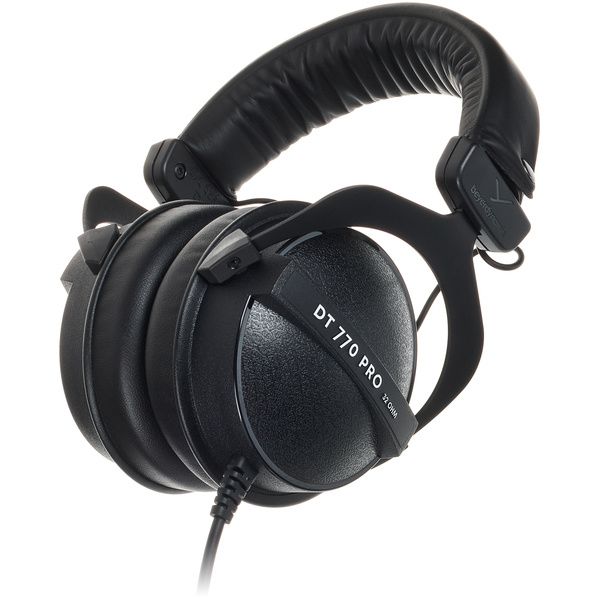
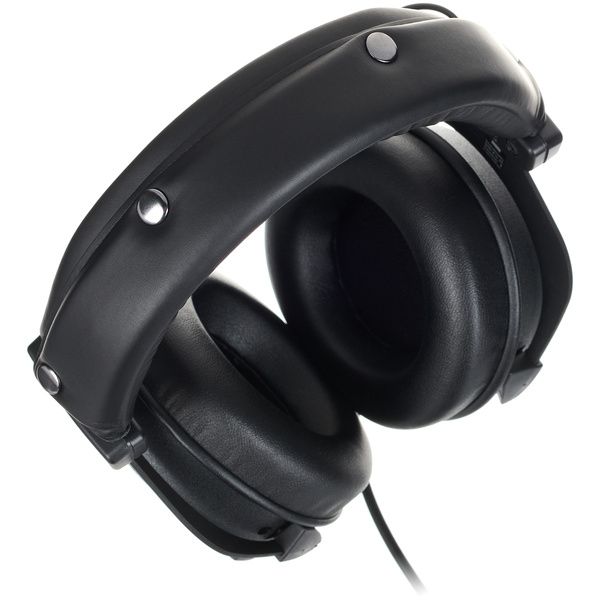
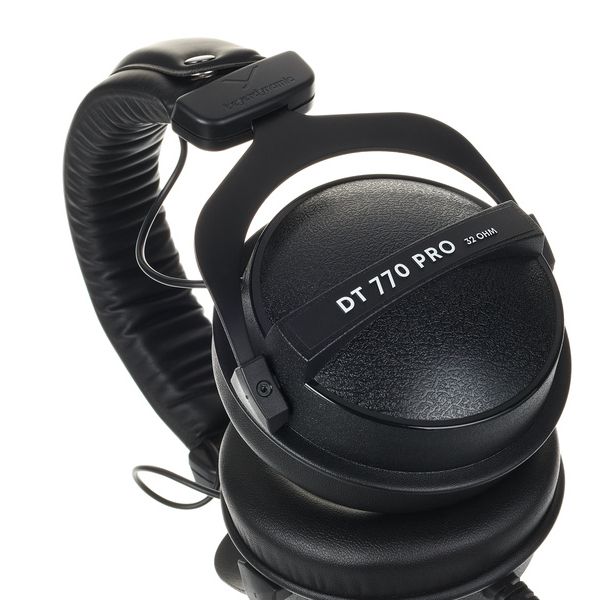
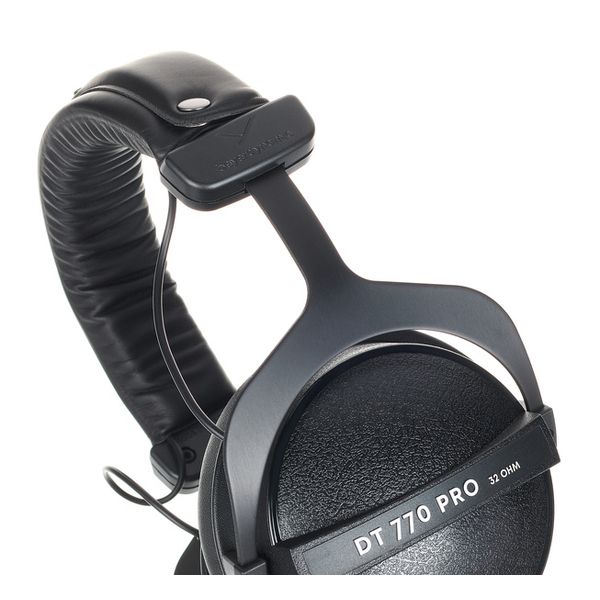
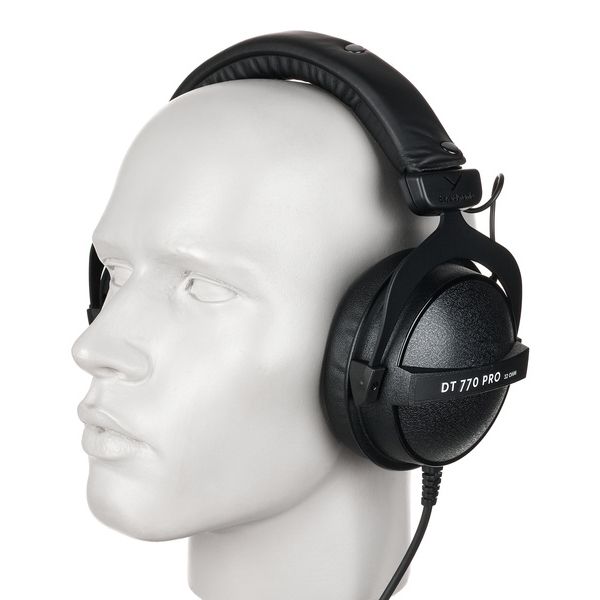
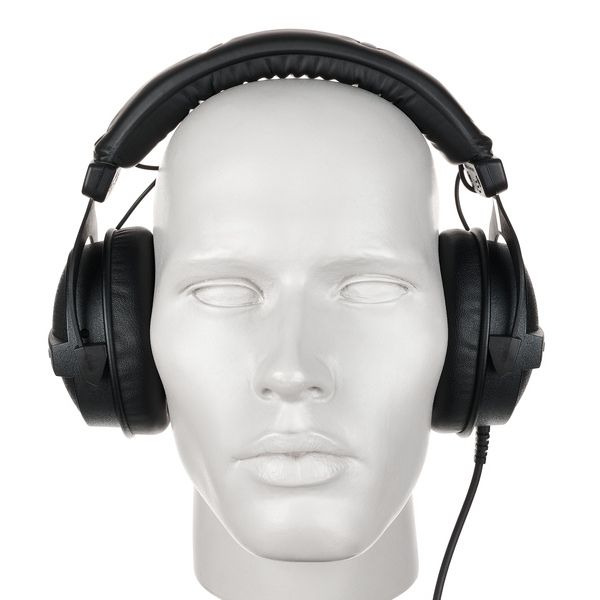
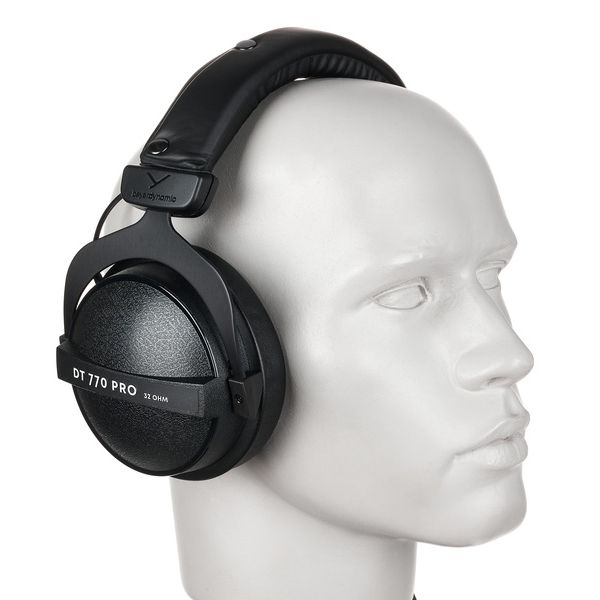
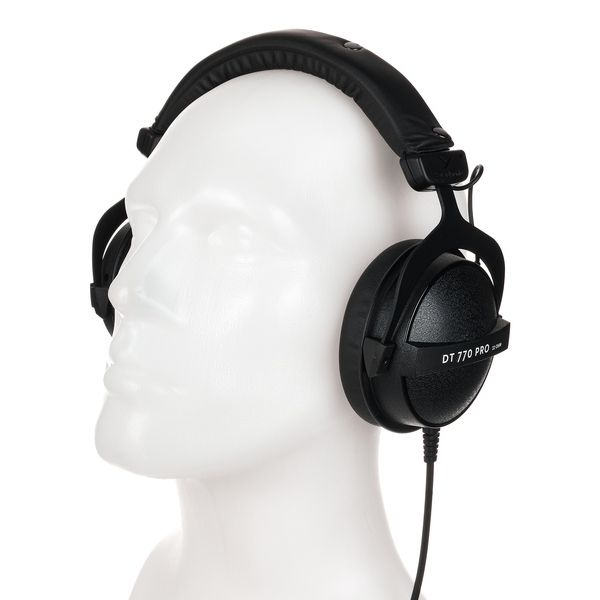

QC Pass — Field Test
Customer Review Summary
Introduction
The beyerdynamic DT-770 Pro 32 Ohm is a closed-back, circumaural headphone first released in 2013. Priced around £133, it aims to deliver studio-grade sound quality with portability suited to mobile devices. This review examines its technical specifications, sound performance, comfort, and build quality in detail, referencing user impressions and comparisons within the DT-770 series.
Technical Specifications and Design
- Impedance: 32 Ohms, designed to work well with low-power consumer devices like laptops, smartphones, and portable audio players.
- Frequency Response: 5 Hz to 35,000 Hz, covering and exceeding the audible range for extended high-frequency reproduction.
- Maximum Sound Pressure Level (SPL): 96 dB, allowing sufficiently loud listening without distortion.
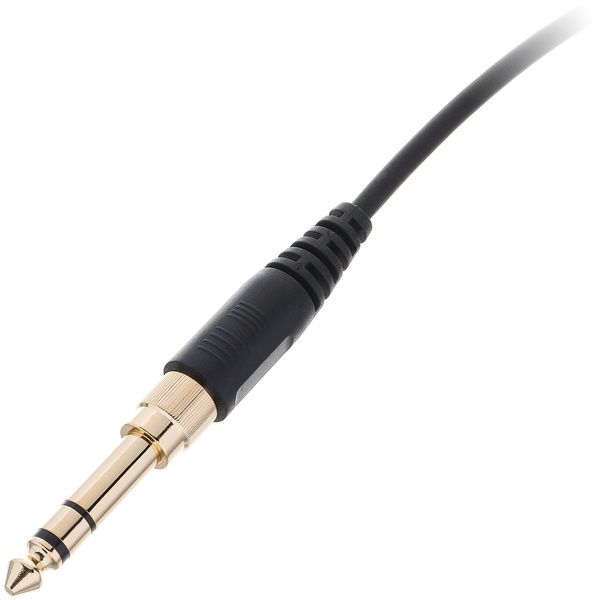
- Cable: 1.6 m straight fixed cable with a 3.5 mm mini-jack connector, including a screw-on 6.3 mm adapter; note that the cable is non-detachable.
- Weight: 278 g without cable, 317 g including cable, moderately light for an over-ear model but slightly bulky for mobile use.
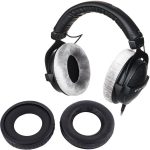
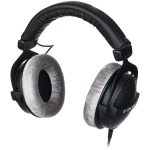
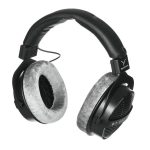
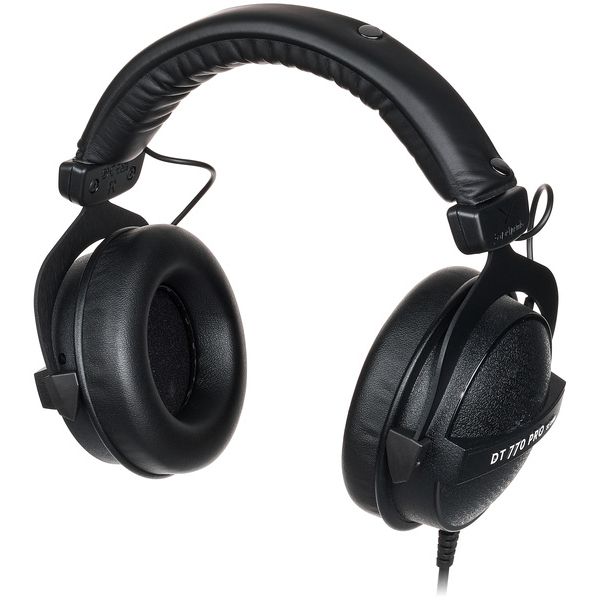
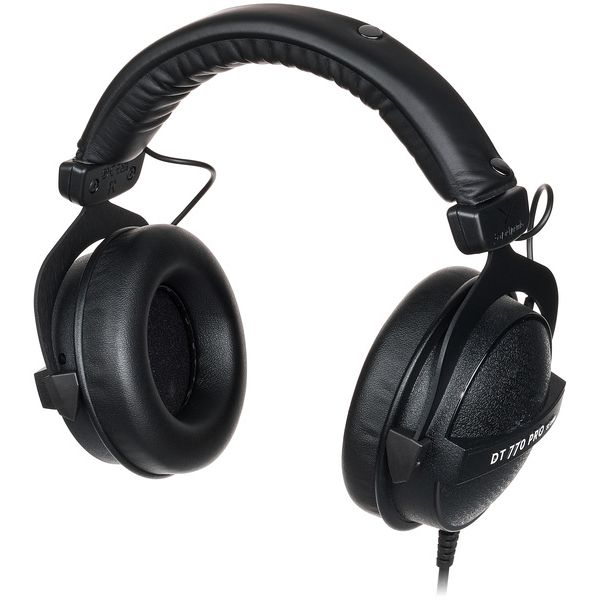
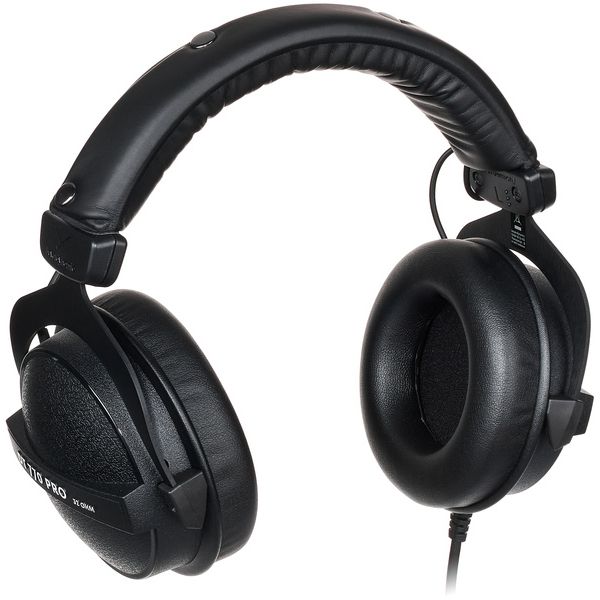
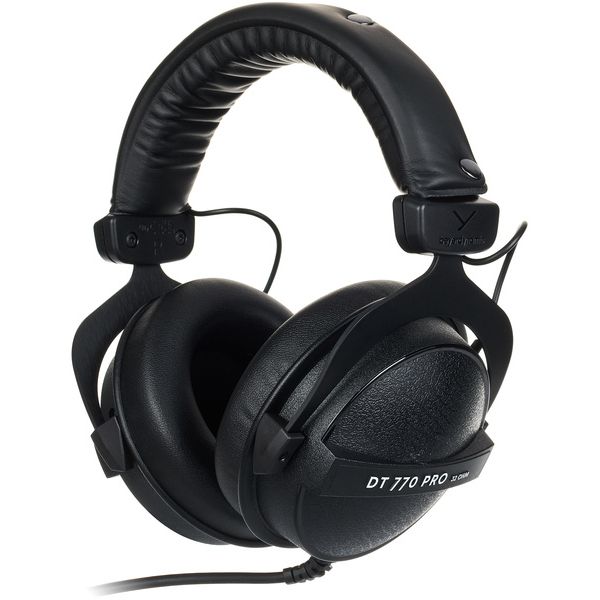
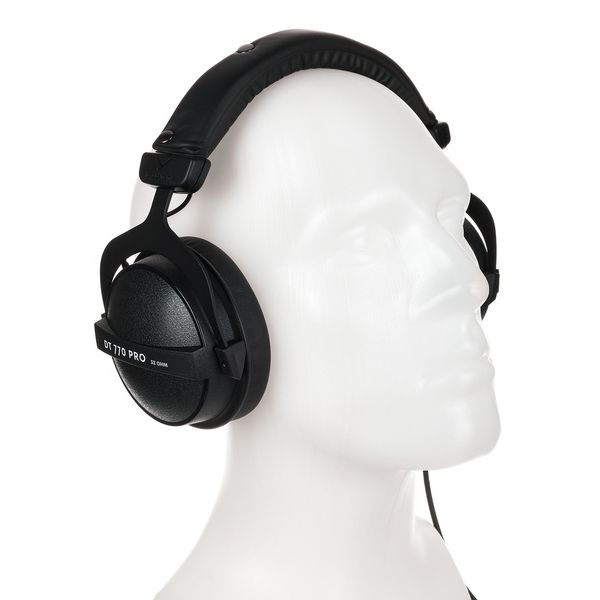
- Materials and Build: Robust metal frame with comfortable padded headband; ear cushions in black synthetic leather (PVC), interchangeable but not included by default with velour pads.
- Isolation: Closed-back design ensures excellent passive noise isolation, suitable for noisy environments or focused listening.
Sound Quality and Performance
The DT-770 Pro 32 Ohm offers a generally balanced sound signature with a notable emphasis on clarity and detail, making it suitable for casual listening, field recording, and moderate studio monitoring. The bass response is relatively restrained compared to the 250 Ohm and 80 Ohm versions, giving a leaner low end that aids in clarity for electronic and acoustic music alike.
Users consistently report that the bass is tight and well controlled but less “wieldy” than on higher impedance variants. This prevents low-frequency masking and allows drums and basslines to remain distinct, beneficial for tasks requiring critical listening. Midrange reproduction is clear but slightly brighter, bringing forward vocals and melodic instruments without muddiness.
The treble is detailed and extends cleanly to the upper frequencies, lending a sense of airiness and space. The headphones employ diffuse field equalization, which contributes to a surprisingly wide soundstage for a closed-back design, sometimes described as expansive and natural sounding.
Transient response is rapid and transparent, avoiding the stiffness common to some closed-back models. Hi-hats and cymbals reveal good articulation, although not as pronounced as with premium open-back models like the beyerdynamic DT-880.
Comparison with Other DT-770 Versions
The 32 Ohm DT-770 is sonically distinctive compared to the 80 and 250 Ohm models. While the 250 Ohm version delivers more powerful and warmer bass, it requires a dedicated headphone amplifier to reach adequate loudness levels. The 80 Ohm sits between these extremes, sounding leaner but sometimes less enjoyable for casual listening.
The 32 Ohm variant shines in portability and device compatibility due to its low impedance, allowing greater volume output from smartphones and laptops without additional amplification, though it may sacrifice a touch of warmth and dynamic range compared to the higher ohm units.
Comfort and Usability
The DT-770 Pro 32 Ohm is generally comfortable with its large circumaural ear cups that fully surround the ear. Users with glasses report that the fit accommodates frames without excessive pressure, although some note a firm clamping force that can become noticeable during long listening sessions. The synthetic leather pads excel in isolation but may cause heat and perspiration over extended wear, a point addressed by the option to substitute velour cushions, which offer increased breathability.
The headband and ear pads are adequately padded. However, the adjustment mechanism can feel loose on some units, which may require occasional repositioning. The non-detachable single-sided cable simplifies use but means cable damage would require professional repair or soldering.
Portability Considerations
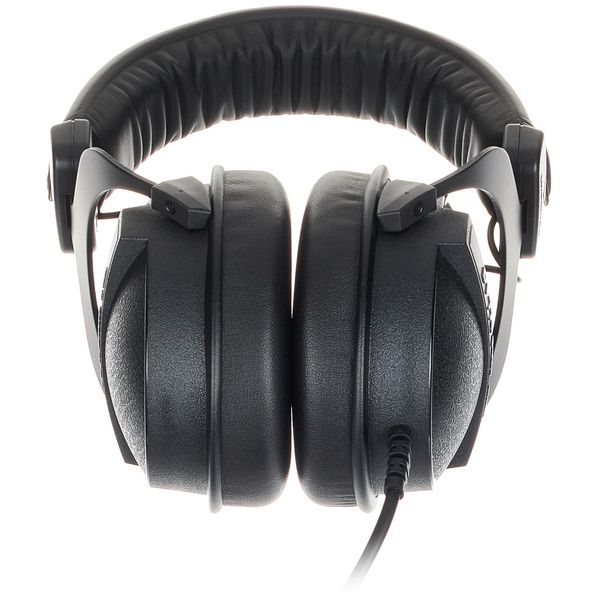
With a bulky frame and no folding or collapsible design, the DT-770 Pro 32 Ohm is less suited to compact travel. While the included drawstring bag offers some protection, it does not reduce the overall footprint. The 1.6 m cable length is practical for most portable devices but might sometimes feel restrictive standing from a seated position with a player on a low surface.
Build Quality
German engineering is evident in the DT-770 series, and this model is no exception. The robust metal frame and solid ear cup construction promise durability and longevity. Replacement parts such as ear pads and the headband cushion are available, supporting long-term maintenance.
Plastic components exist but are thick and well-fitted, avoiding rattles or creaks during use. The screw-on 6.3 mm adapter provides secure connection for studio and professional environments.
Practical Applications
- Mobile Listening: The low impedance facilitates use with smartphones, laptops, and portable audio players without external amplification, delivering good loudness and isolation on the go.
- Studio Monitoring and Tracking: While not as neutral as some higher impedance monitoring headphones, the DT-770 32 Ohm is suitable for home recording and tracking, especially where clarity of mids and highs is important.
- Field Recording: The combination of closed-back isolation and responsive tuning makes it a strong candidate for capturing critical audio details in variable acoustic environments.
- General Use: Comfortable enough for extended gaming, video, and casual music listening where a closed-back design that limits sound leakage is valued.
Limitations
The most noted drawbacks include less-than-ideal comfort over prolonged sessions due to ear heat and clamping force. The non-detachable cable raises concerns about repair costs if damaged. The headphones’ bulk and lack of foldability reduce convenience for frequent travellers.
Sonically, the 32 Ohm model’s brighter treble and leaner bass might not satisfy all audiophiles, especially those seeking warmer or more bass-heavy sound signatures.
Conclusion
The beyerdynamic DT-770 Pro 32 Ohm is a versatile and robust set of closed-back headphones tailored to mobile and light studio use. It excels in delivering detailed and clear sound with excellent passive noise isolation. Though it lacks the thick bass and plush comfort of its higher impedance siblings, its lower impedance makes it more accessible and louder with consumer devices.
Build quality, replaceable parts, and sound fidelity position it well within its £133 price bracket, offering longstanding reliability and performance. Consideration should be given to comfort and cable non-detachability depending on the intended use scenario.
For users needing detailed, neutral closed-back headphones capable of functioning well without amplification, the DT-770 Pro 32 Ohm represents a sound investment backed by decades of professional reputation.