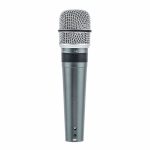
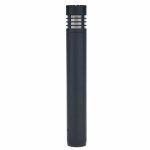
AKG C414 XLII


Technical characteristics of AKG C414 XLII
- Successor to the C414B-TLII
- Now with 9 switchable polar patterns (cardioid, wide-cardioid, hypercardioid, omnidirectional, figure-8 + 4 intermediate positions)
- Frequency range: 20 – 20,000 Hz
- Dynamic range: 140 dB(SPL) max
- Slight treble boost from 4kHz
- Lock mode to save the settings
- Peak-Hold display
- Status LEDs
- 3-way switchable low-cut filter (40, 80, 160 Hz)
- 3 preattenuation pads (-6, -12, -18 dB)
- Microphone capsule: CK12
- Transformerless XLR Output (FET)
- Incl. elastic mount (H85), pop filter (PF80), windscreen (W414X), and aluminium case
Images


Additional Information
Customer Review Summary
The AKG C414 XLII is a truly exceptional microphone that lives up to its reputation as a vintage classic, renowned for its versatility and clarity. It excels in various applications, from vocals to acoustic instruments, providing a rich and detailed sound that is both natural and vibrant.
One of the standout features is its nine selectable polar patterns, allowing for tailored recordings in different environments. Whether capturing the nuances of a classical guitar or the subtle dynamics of vocals, the C414 XLII delivers with impressive accuracy. The high frequencies are well-defined without being harsh, although some users noted that it can accentuate sibilance, making it less suitable for certain vocal types.
In terms of construction, the microphone feels robust and comes with high-quality accessories, including a shock mount and a sturdy carrying case, which enhances its practicality for both studio and live settings. The overall build quality reflects AKG’s commitment to excellence.
While it may not be the most budget-friendly option, many users agree that the performance justifies the investment. It stands out in comparisons with other high-end microphones, offering a unique character that many find appealing. Overall, the AKG C414 XLII is a must-have for anyone serious about recording, making it an invaluable addition to any studio setup.
Read more…