
Field Test · Studio Gear Review
Avantone Mixphones MP-1 Black
Detailed Technical Evaluation of Avantone’s Studio Headphones
 Avantone
- Studio Headphones
- Accessories & matching items
- 14Customer ratings
- Compare options
- Smart Navigator
Spec Sheet
- Closed
- Circumaural
- Large 50 mm driver
- Impedance: 16 Ohm
- Sound pressure level: 113 dB
- Transmission range: 18 – 25,000 Hz
- 2 detachable cables: 3 m straight cable, approx. 1 m coiled cable
- Screw-on stereo adapter 3.5 / 6.3 mm
- Weight: 550 g
- Incl. Carrying bag
Studio Log
| Available since | March 2018 |
|---|---|
| Item number | 434912 |
| Sales Unit | 1 piece(s) |
| Design | Over-Ear |
| System | Closed Back |
| Impedance | 16 Ohms |
| Frequency range | 18 Hz – 25000 Hz |
| Adaptor | Yes |
| Replaceable Cable | Yes |
| Colour | Black |
| Max. SPL | 113 dB |
| Type Of Connector | Jack(stereo) |
| Weight | 550 g |
Demo Footage
Field Photography
QC Pass — Field Test
Customer Review Summary
[META]An in-depth test of the Avantone Mixphones MP-1 Black headphones, evaluating sound fidelity, construction, and user experience for professional use.Introduction
The Avantone Mixphones MP-1 Black, available since 2018 at £132, are over-ear, closed-back headphones designed for critical monitoring and mixing tasks. They feature large 50 mm drivers, a low impedance of 16 Ohms, and a frequency response spanning 18 Hz to 25,000 Hz. Their design emphasises sound accuracy with selectable modes and detachable cables for versatile studio applications.
Design and Build
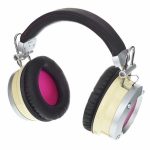
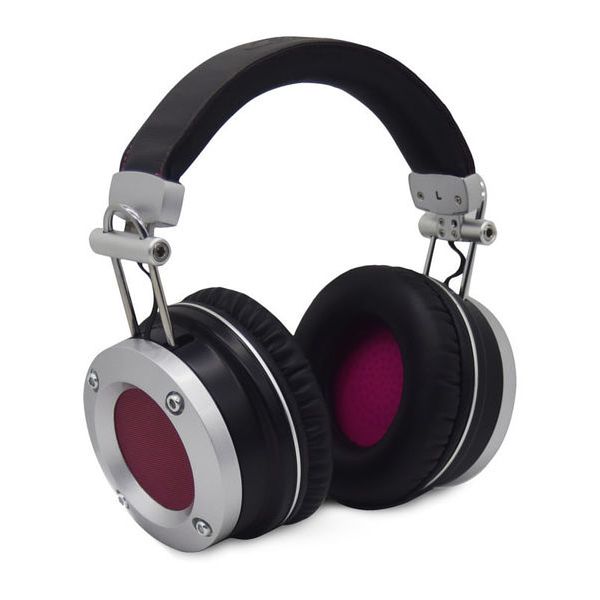
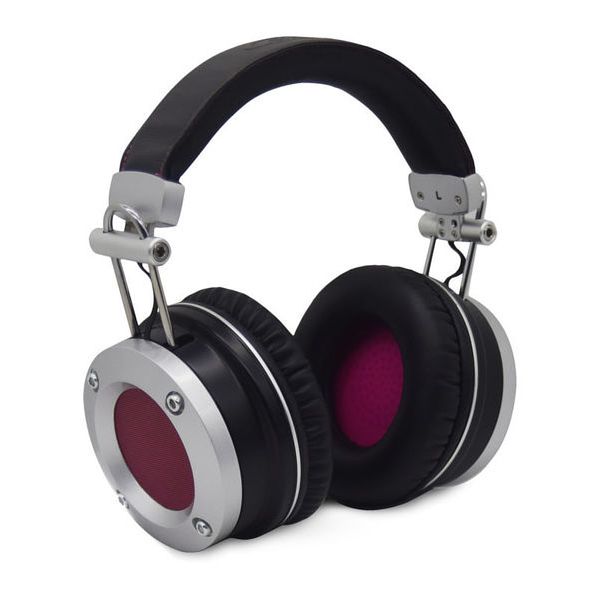
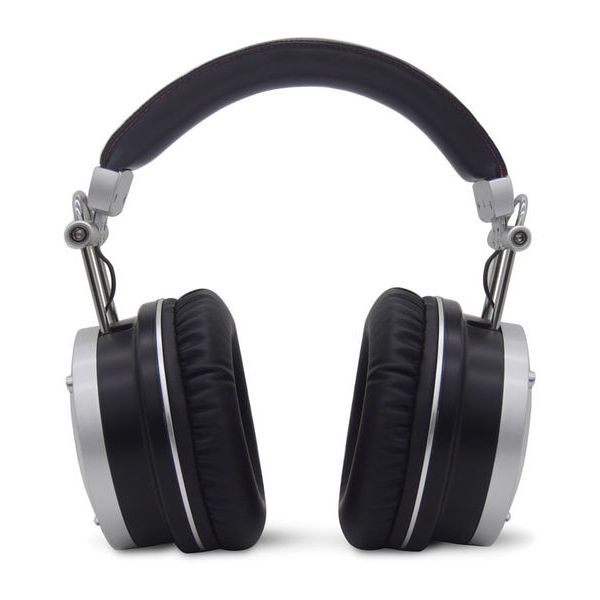
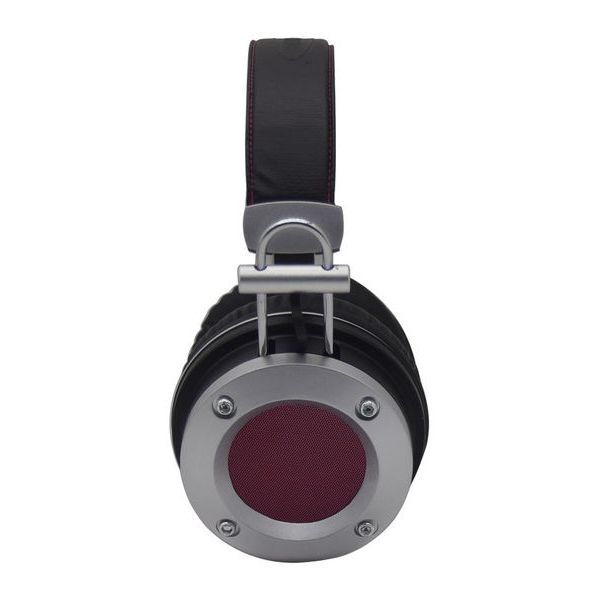
The headphones boast a robust and substantial build, weighing 550 grams, which contributes to a feeling of premium quality but also affects comfort during extended use. The earcups are circumaural with closed backs, aiming to deliver isolation from external noise. Constructed in matte black, the design includes two detachable cables, a 3-metre straight cable and a 1-metre coiled cable, along with a screw-on 3.5/6.3 mm stereo adapter for compatibility with studio and portable devices. A carrying bag is supplied for transport and storage.
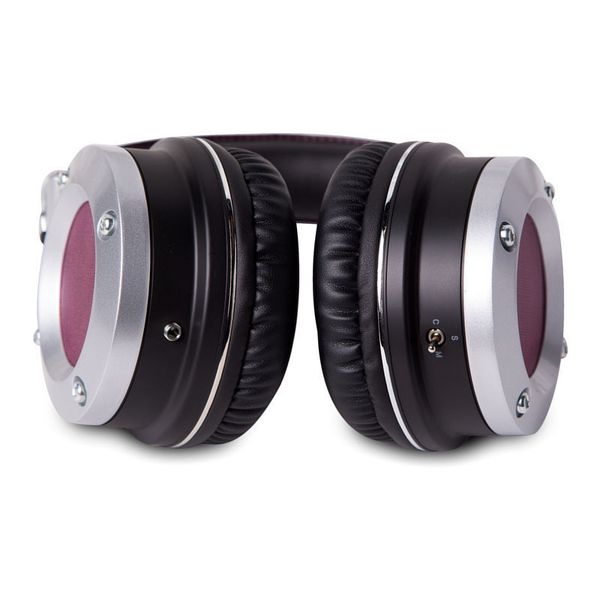
However, the construction quality has drawn criticism. Reports indicate the headphones are bulky, nearly twice as wide as some comparable models, making portability cumbersome. The weight, while reflecting dense materials, can become uncomfortable, especially during longer sessions. Users have encountered mechanical issues such as the left earcup detaching from its metal fixation points and unreliable cable jacks prone to false contacts, leading to intermittent audio loss. The mode switch between stereo, mono, and Mixcube modes, though useful, is somewhat stiff and may benefit from lubrication to improve ease of use.
Sound Performance
Acoustically, the Mixphones MP-1 perform admirably. The frequency range is well covered with a notable extension from deep bass at 18 Hz up to clear highs reaching 25,000 Hz. The sound character is described as balanced, with bass presence that avoids boominess or muddiness. The mids are transparent and well-defined, supporting detailed monitoring tasks. Treble is present without being harsh, which aids in fatigue-free listening over longer periods.
One standout feature is the expansive stereo imaging. The headphones provide an impressive soundstage for closed-back models, enabling precise localisation of elements within a mix. This clarity further serves mixing professionals who need accurate spatial awareness when balancing audio elements.
The inclusion of three listening modes (stereo, mono, and Mixcube) supports versatile workflow needs. Mono monitoring is essential for phase and compatibility checks, while the Mixcube simulates different speaker layouts, assisting in gain staging and mix decisions without external monitors.
Comfort and Usability
While the earcups are padded and the headband includes cushioning designed to protect the head, the overall mass and size introduce challenges for prolonged wear. The pressure exerted by the heavy earcups can cause discomfort, particularly on smaller heads or during long editing or mixing sessions. Adjustment range for the headband was found limited by some users, impacting the seal around the ears and subsequently the bass response due to imperfect fit.
Portability is affected by the headphones’ bulky dimensions and relatively heavy weight. The cables’ fixed inputs occasionally require physical adjustment to maintain proper connection, which could distract from the workflow. The detachable nature of the cables helps mitigate damage risks during transport, yet issues with stuck connectors have been reported, diminishing convenience.
Comparison and Applications
In comparison with other studio headphones such as the AKG K242 HD and Audio Technica ATH-M70x, the Avantone MP-1 offers a flatter and more linear sound signature, preferable for critical listening and mixing. It avoids exaggerated mid-range dips or peaks, providing better reference accuracy. However, build reliability and mechanical sturdiness lag behind some competitors, and users should weigh this against the acoustic advantages.
The headphones excel in studio environments for mixing, overdubs, and critical listening. Their closed-back design ensures good isolation from ambient noise and prevents sound leakage to nearby talent during recording sessions. The clear and accurate audio representation benefits users who do not have access to reference monitors, making the headphones a practical second-check device.
Strengths and Weaknesses
- Strengths: Transparent, balanced sound with excellent stereo imaging and useful mode switching.
- Weaknesses: Large and heavy design impacting comfort and portability, variable mechanical build quality with some issues noted around cable inputs and switch mechanism.
- Included Accessories: Two detachable cables, screw-on stereo adaptor, and carrying bag.
Conclusion
The Avantone Mixphones MP-1 Black offer an attractive proposition for users prioritising sonic accuracy in a closed-back headphone at a mid-range price point. The sound fidelity meets the demands of professional monitoring with clarity and balance, enhanced by adaptive listening modes that support mixing workflows.
That said, the headphones present challenges in build quality and physical comfort. The heavy, bulky construction detracts from extended wearability and transport convenience. Mechanical issues encountered by some users regarding cable connections and mode switching point to inconsistent quality control, which may require user intervention or warranty support.
For studio users seeking detailed monitoring and working predominantly in fixed setups, the Mixphones MP-1 justify consideration. Prospective buyers should carefully assess comfort preferences and be prepared for potential minor maintenance. The audio performance remains the core strength of these headphones, making them a valuable tool where accurate sound reproduction is essential.