
Field Test · Studio Gear Review
beyerdynamic DT-100/400-B
Beyerdynamic DT-100/400-B Closed-Back Over-Ear Headphones Technical Analysis
 beyerdynamic
- Stereo Headphones
- Accessories & matching items
- 20Customer ratings
- Compare options
- Smart Navigator
Spec Sheet
- Closed
- Circumaural
- Dynamic
- Impedance: 400 Ohm
- Sound pressure level: 94 dB
- Frequency range: 30 – 20 KHz
- Detachable cable
- Weight with cable: 414 g
- Weight without cable: 343 g
- Colour: Black
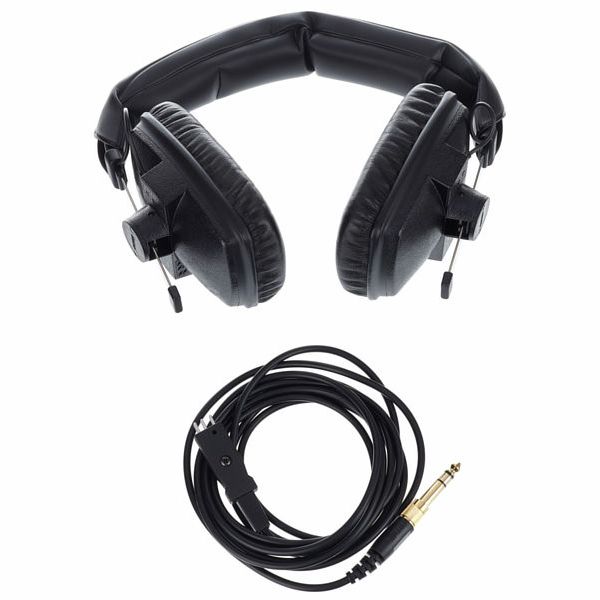
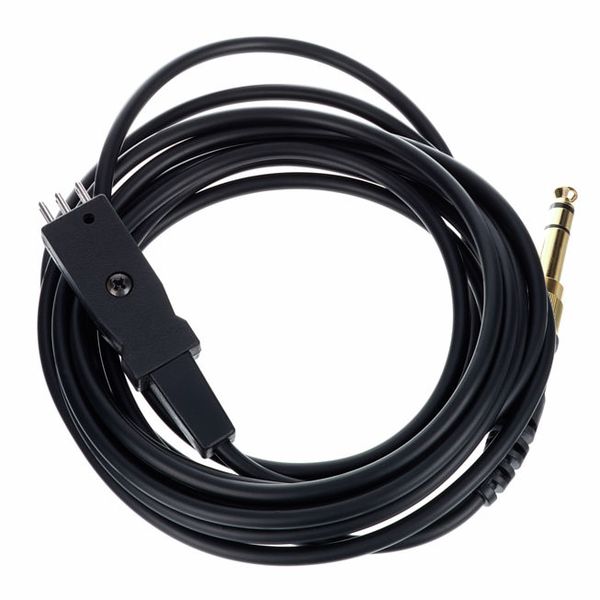
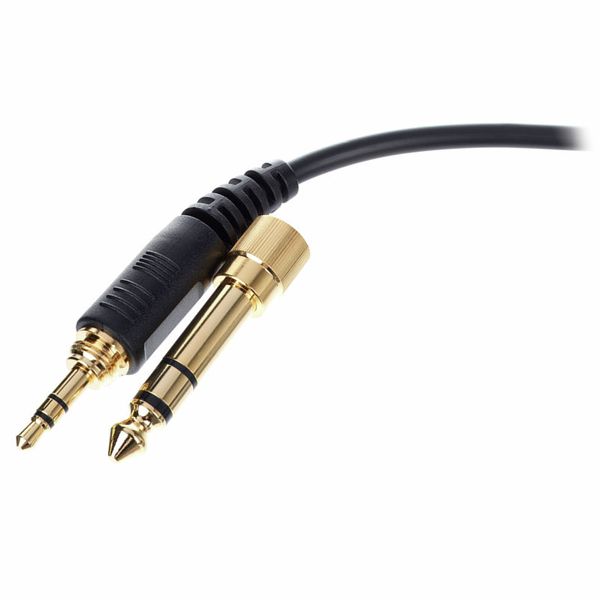
- Including 3.15 m connection cable (K100.07) with a 6.3 mm stereo plug
Studio Log
| Available since | June 2005 |
|---|---|
| Item number | 180535 |
| Sales Unit | 1 piece(s) |
| Design | Over-Ear |
| System | Closed Back |
| Impedance | 400 Ohms |
| Frequency range | 30 Hz – 20000 Hz |
| Adaptor | No |
| Replaceable Cable | Yes |
| Colour | Black |
| Max. SPL | 94 dB |
| Type Of Connector | Jack |
| Weight | 343 g |
Demo Footage
Field Photography
QC Pass — Field Test
Customer Review Summary
Introduction to the beyerdynamic DT-100/400-B
Released in June 2005, the beyerdynamic DT-100/400-B is a closed-back, circumaural headphone designed primarily for studio use. With a 400 Ohm impedance and a frequency response spanning from 30 Hz to 20 kHz, these headphones target professional audio monitoring applications rather than casual listening. Priced at £203, the model is known for its durability, replaceable cables, and German engineering.
Design and Build Quality
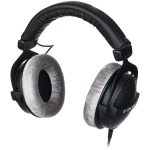
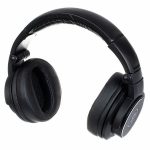
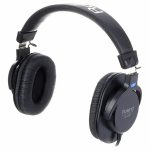
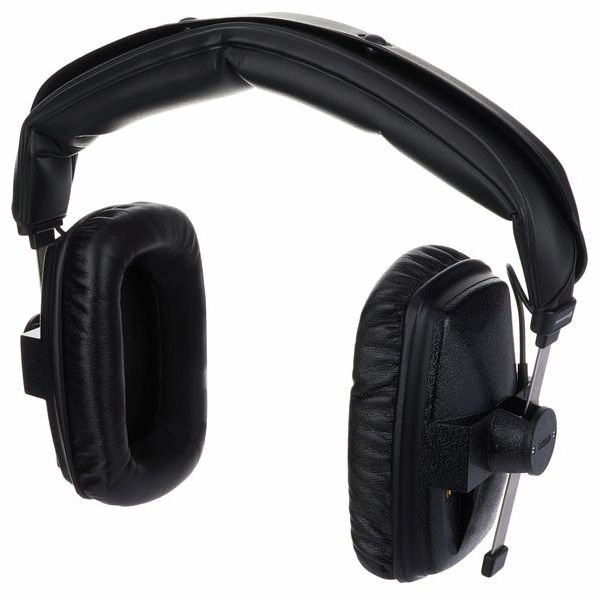
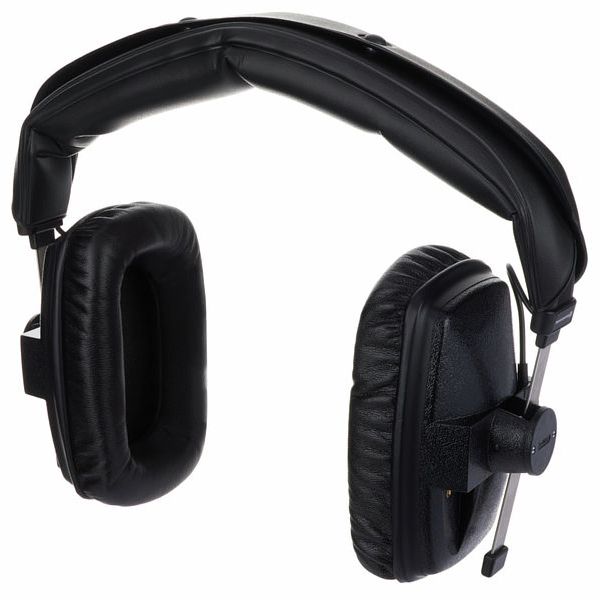
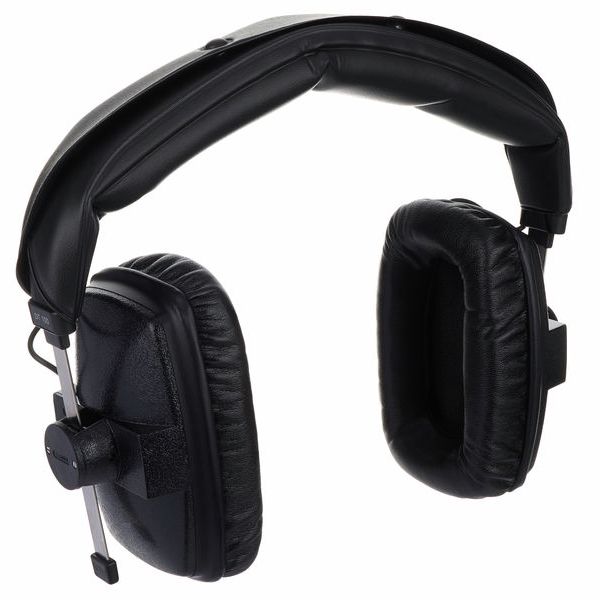
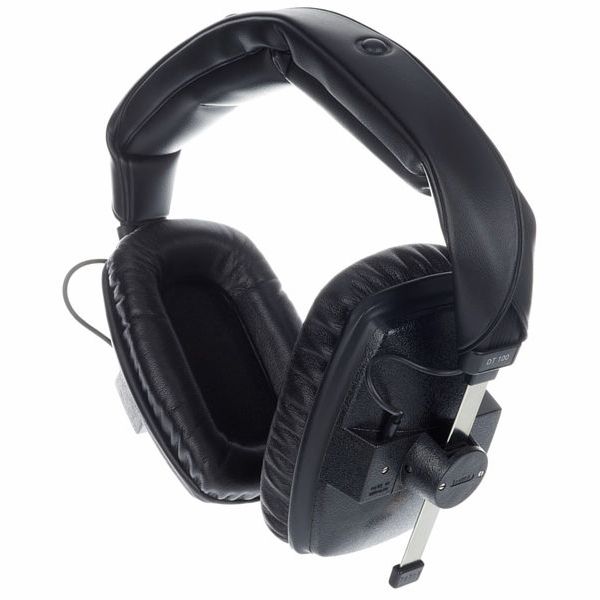
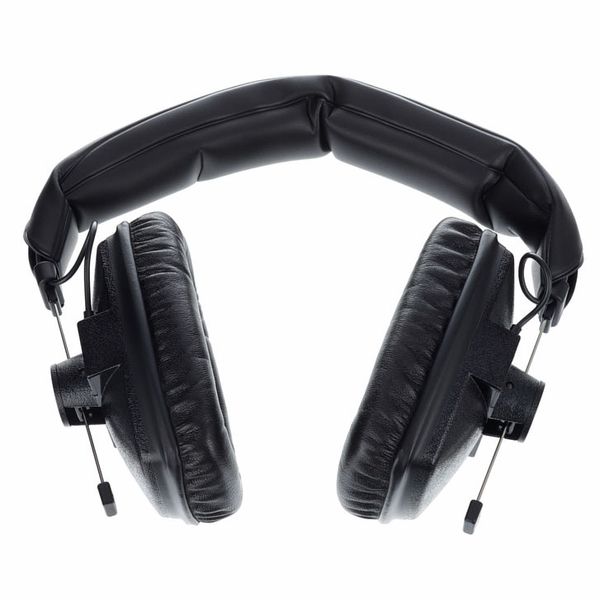
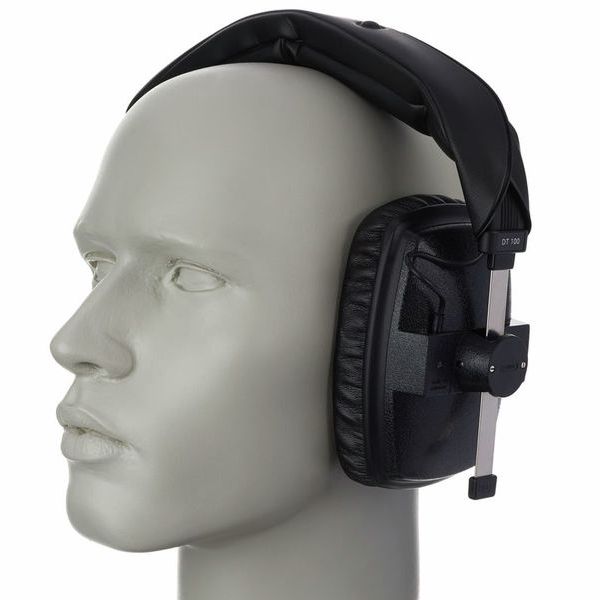
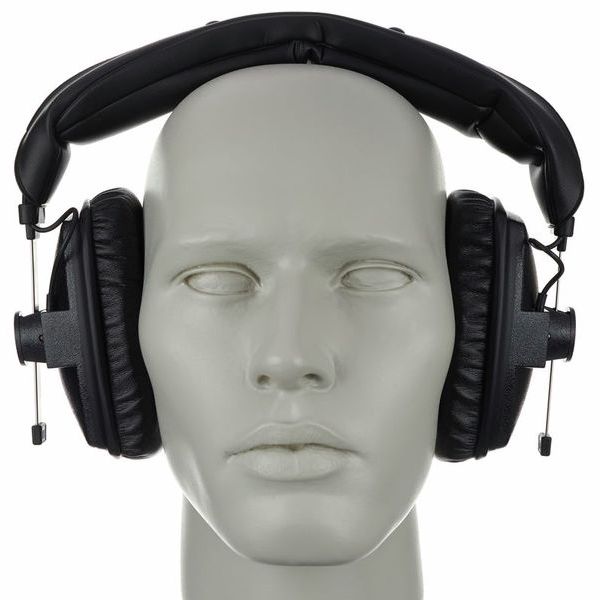
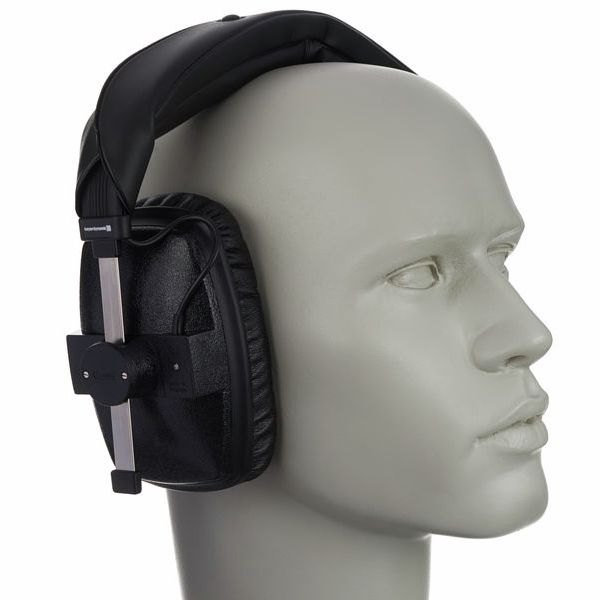
The DT-100/400-B employs an over-ear design with sizeable ear cups that fully enclose the ears. Weighing 343 grams without the detachable cable and 414 grams with it, the headphones maintain a robust feel without excessive heaviness. The black finish and simple aesthetic underline a functional utilitarian approach that avoids unnecessary flair.
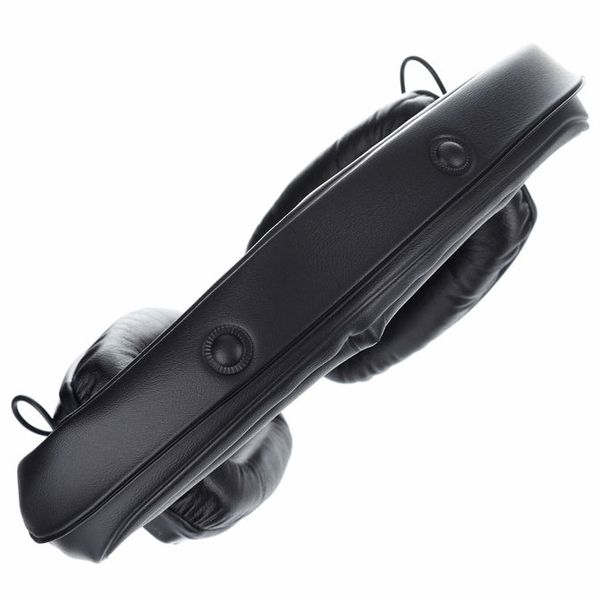
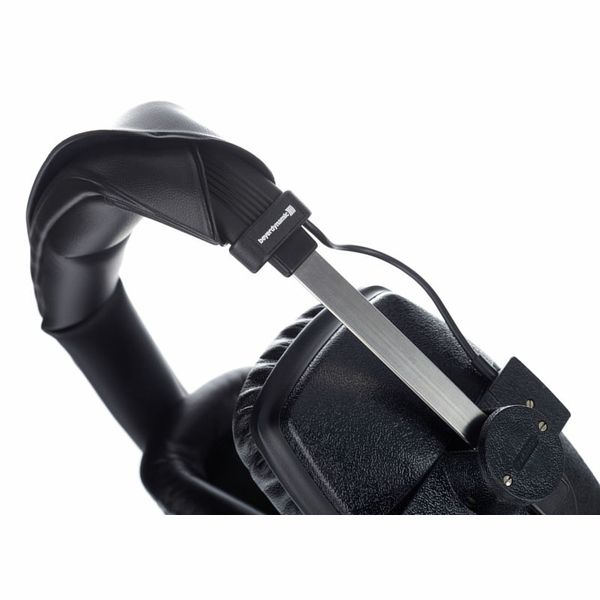
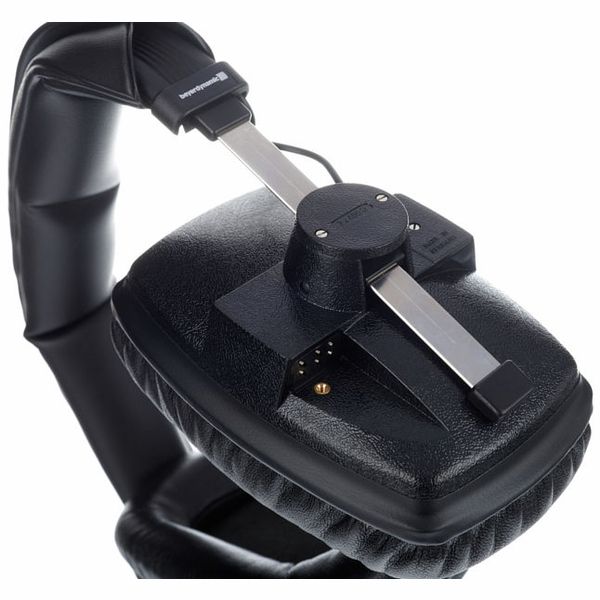
The headphone band attaches to the ear cups at a zero-degree angle relative to the longitudinal axis of the oval ear cups. This design choice affects fit significantly. Users have reported that when the ear cups fully encompass the ears, the headband tends to sit too far back on the head, leading to slippage. Conversely, adjusting the band for a stable fit results in the ear cups failing to seal correctly around the ears, compromising isolation and frequency response consistency.
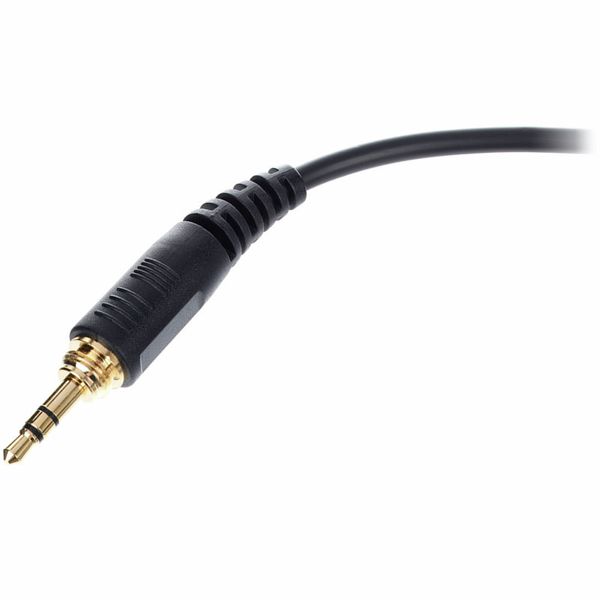
The headphones come with a 3.15-metre connection cable (K100.07) terminating in a 6.3 mm stereo jack. The cable is detachable, allowing for straightforward replacement if damaged, increasing the device’s serviceability and lifespan.
Sound Performance
Sound reproduction on the DT-100/400-B is a subject of notable debate. The headphones deliver a somewhat muted audio profile, with a distinctive lack of bass presence and sparkle in the upper frequencies. Their response has been described as mid-range focused but somewhat flat and ‘topfen’ (muffled or boxed-in). This tonal character occasionally suits spoken word and vocal tracking, for which the headphones appear to have found a dedicated role in studio environments.
Despite the absence of a neutral or flat frequency curve, vocals recorded with the DT-100/400-B often exhibit improved intonation in tracking scenarios. The headphones excel in speech applications and theatre sound monitoring, supporting prolonged use without discomfort or significant fatigue.
However, for broader musical mixing and mastering tasks, the lack of dynamic bass and inconsistent frequency response (subject to headphone positioning on the head) limits their effectiveness. Several users noted difficulty in judging mixes accurately, particularly where low-end and high-end detail are critical. One reviewer pointed out an imbalance between the left and right channels, although this might be subjective.
Comfort and Ergonomics
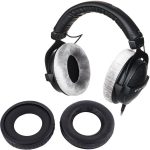
The DT-100/400-B offers commendable comfort during extended sessions, a key requirement for studio professionals. The ear pads apply minimal pressure, avoiding the formation of pressure points even after hours of use. However, the large size and fit issues associated with the headband angle reduce stability during active performance or movement. The artificial leather covering on the ear cushions feels somewhat inexpensive and may not appeal to all users.
Isolation and Practicality in Studio Use
With its closed-back design, the DT-100/400-B provides effective isolation from external noise, an essential feature for overdubbing and live recording. The seal is generally good, provided correct positioning on the head is achieved. Users report the headphones perform well as a substitute for monitors in untreated rooms, facilitating monitoring without room acoustic interference.
The rugged construction, combined with available spare parts, favours long-term use in professional studios. The ability to replace cables and other components individually enhances practicality and reduces total cost of ownership.
Summary and Suitability
- Price: £203, positioned as an affordable professional monitoring tool.
- Sound: Mid-centric with weak bass and lacking high-end sparkle; suitable mostly for speech and vocal recording.
- Comfort: Comfortable for long wear but fit instability due to headband angle design.
- Build: Solid construction with replaceable cables and parts, contributing to durability.
- Use Case: Ideal for speech monitoring, voice-over, and theatre; less suited for detailed music mixing or high-fidelity listening.
, the beyerdynamic DT-100/400-B headphones maintain a place within audio production environments as a functional, reliable tool. Their strengths lie in durability and comfort during prolonged use, as well as their isolation performance. However, the sound signature and ergonomic quirks limit their appeal to casual listeners and professionals seeking neutral and full-range monitoring. The headphones are best regarded as a specialised device for specific audio tasks rather than a universal studio solution.