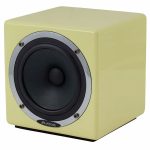
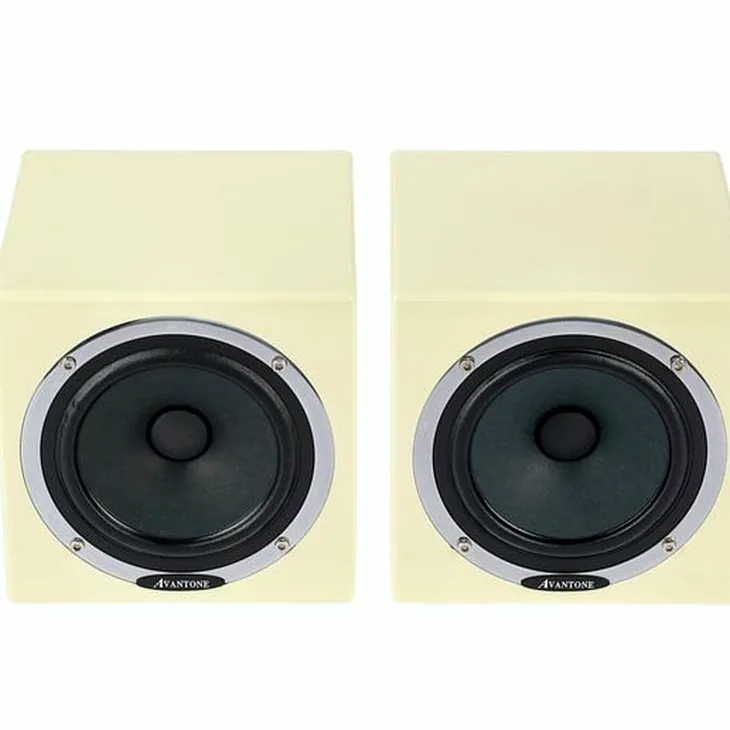
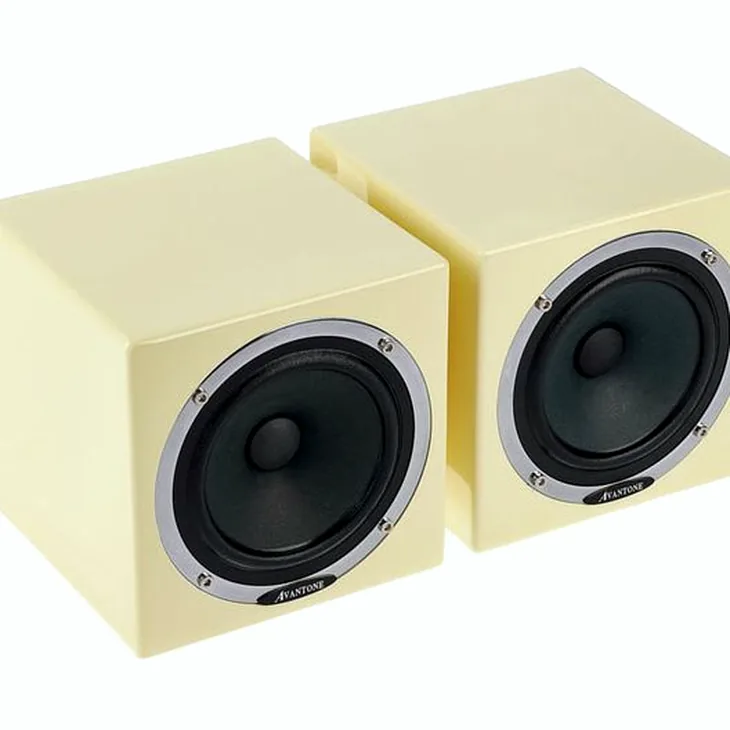
Avantone MixCubes cream


Details of model Avantone MixCubes cream
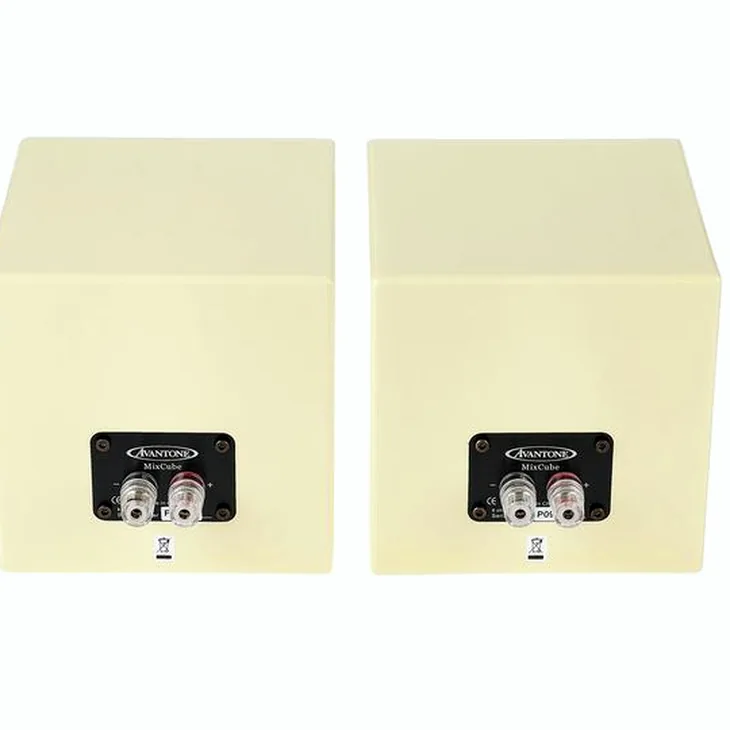
- Full-range
- Shielded
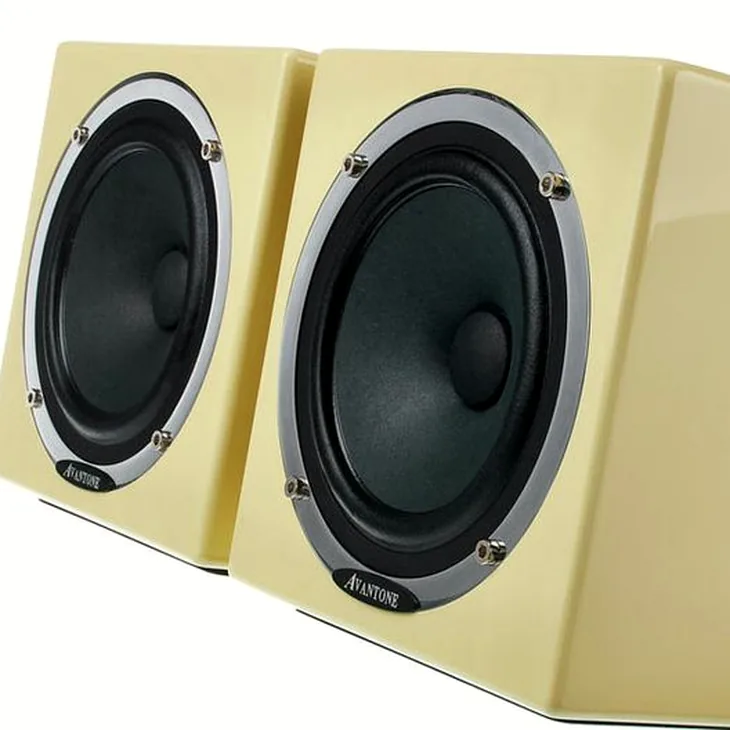
- 5.25″ Driver
- Frequency response : 90 Hz – 17 kHz
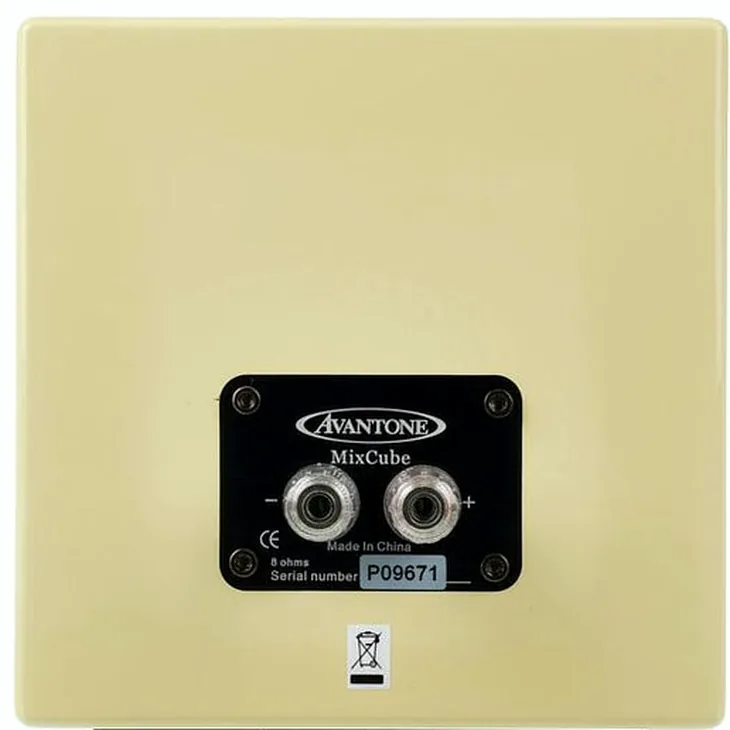
- Impedance: 8 Ohm nominal
- SPL: 93 dB @1w/1 metre
- 6 1/2″ MDF enclosure
- 2 Terminal connections
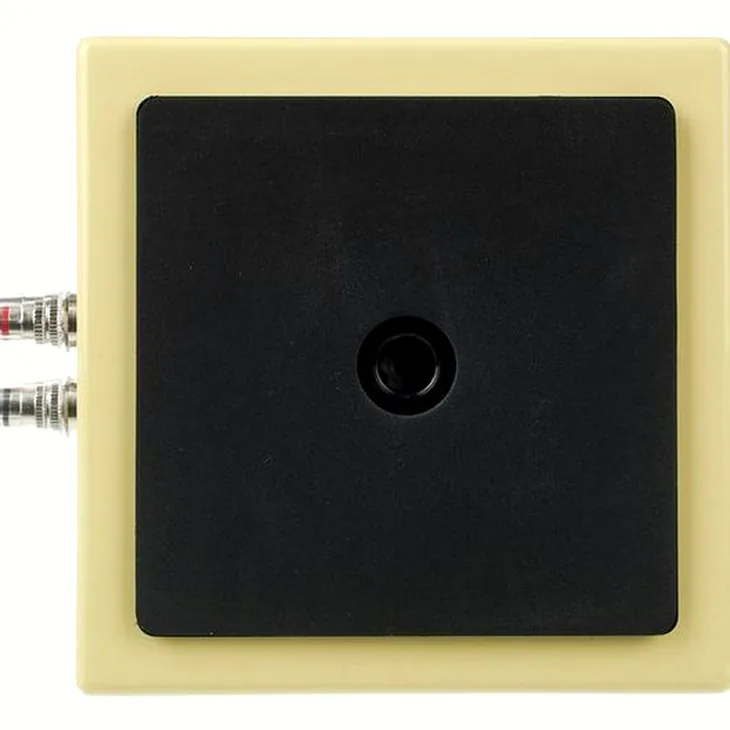
- 5/8″ Threaded socket integrated in the base for mounting the monitors onto micro stands
- Recommended power : 10-200 watt
- Dimensions per monitor: 165 x 165 x 165 mm
- Weight per monitor: Approx. 3.2 kg
- Colour: Retro-Cream – lacquered
- Price is per pair
Images
Additional Information
Customer Review Summary
The Avantone MixCubes in cream are an impressive evolution of the classic Auratones, designed specifically for mixing rather than as primary monitors. Their development has clearly been well thought out, taking three years to perfect, and they excel in providing a clear perspective on midrange frequencies, which many standard monitors struggle with.
While they may not deliver a pleasing sound in the traditional sense, this is precisely their purpose. They act as invaluable reference tools, revealing details in mixes that might otherwise go unnoticed. If something sounds off, the MixCubes will highlight this without mercy, exposing frequency masking and balance issues effectively.
It’s essential to understand that these speakers are not intended to replace your main monitors, but rather to complement them. Switching between MixCubes and primary monitors allows for a more thorough assessment of how a mix translates across various playback systems, including lower-quality speakers. This back-and-forth checking can significantly streamline the mixing process, reducing surprises when listening on different systems.
The MixCubes require a break-in period of around 24 to 72 hours to reach their optimal performance, which is crucial to fully appreciate their capabilities. They are robustly built and equipped with professional connections, ensuring durability in a studio setting.
In conclusion, while they may sound harsh and unflattering, the Avantone MixCubes play a critical role in the mixing process, particularly for checking midrange details. They may not be the most pleasant listening experience, but their effectiveness in revealing mix flaws makes them an essential addition to any studio setup.
Read more…