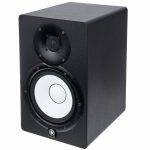
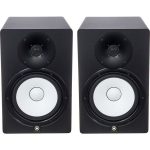
Yamaha HS 3 W


Key characteristics of Yamaha HS 3 W
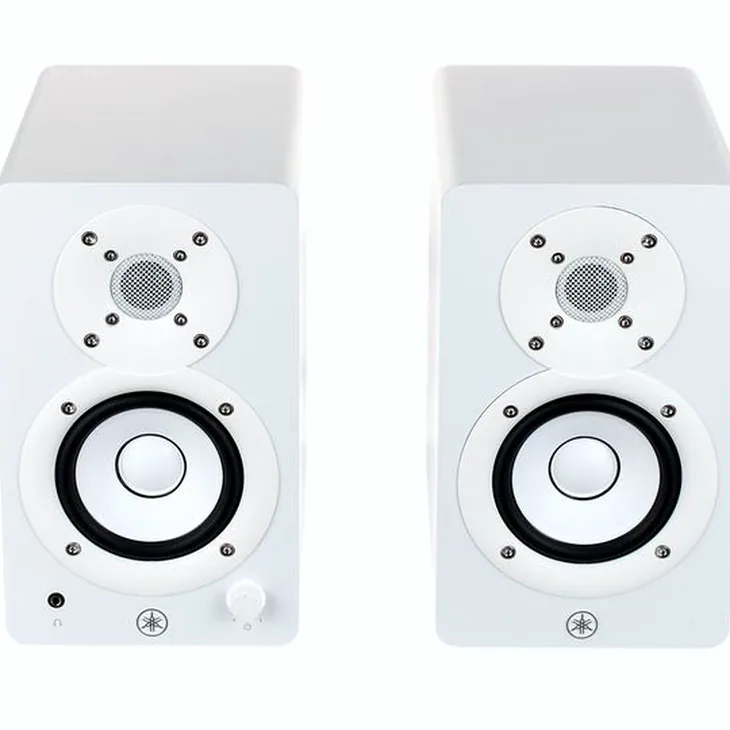
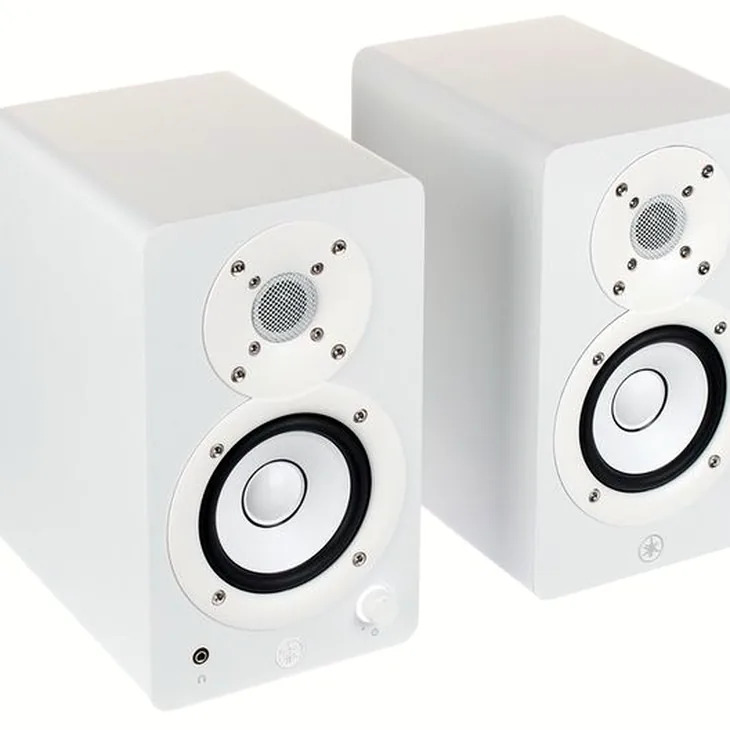
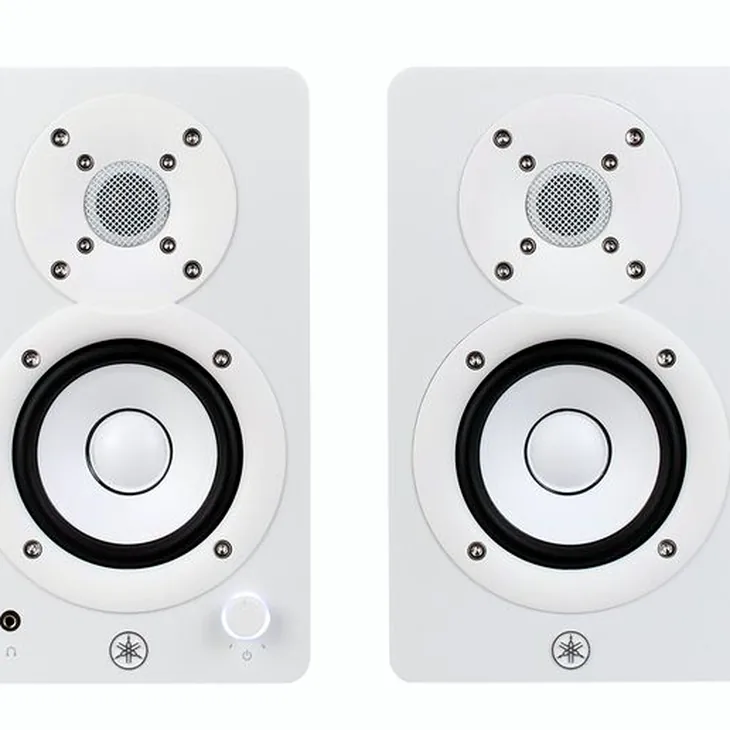
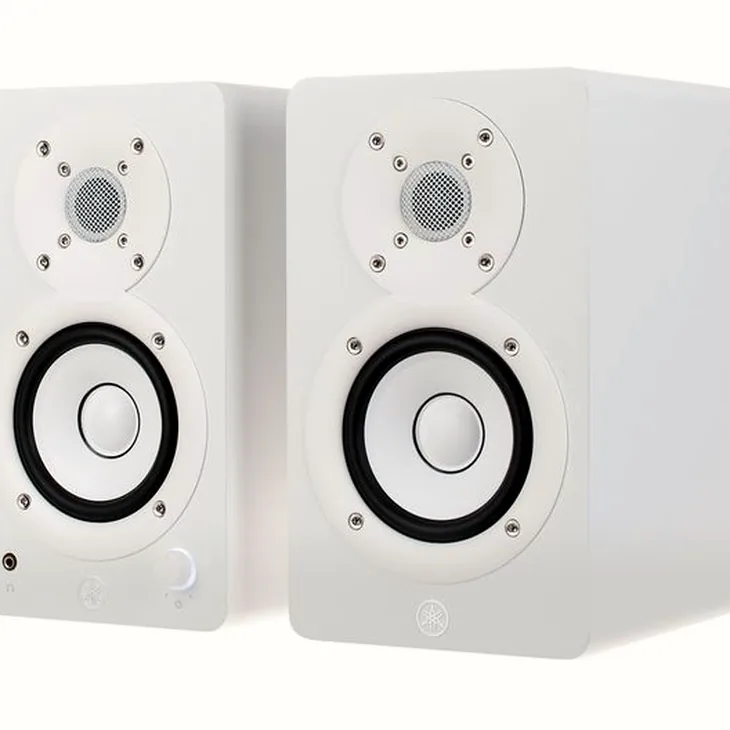
- Equipped with: 3.5″ woofer, 0.75″ tweeter
- Power: 20 W + 20 W (THD 0.1 %, 1,000 Hz, RL = 6 O)
- Frequency range: 85 – 20,000 Hz (+/- 3 dB) / 70 – 22,000 Hz (-10 dB)
- Crossover frequency: 3,200 Hz
- 100 dB max SPL
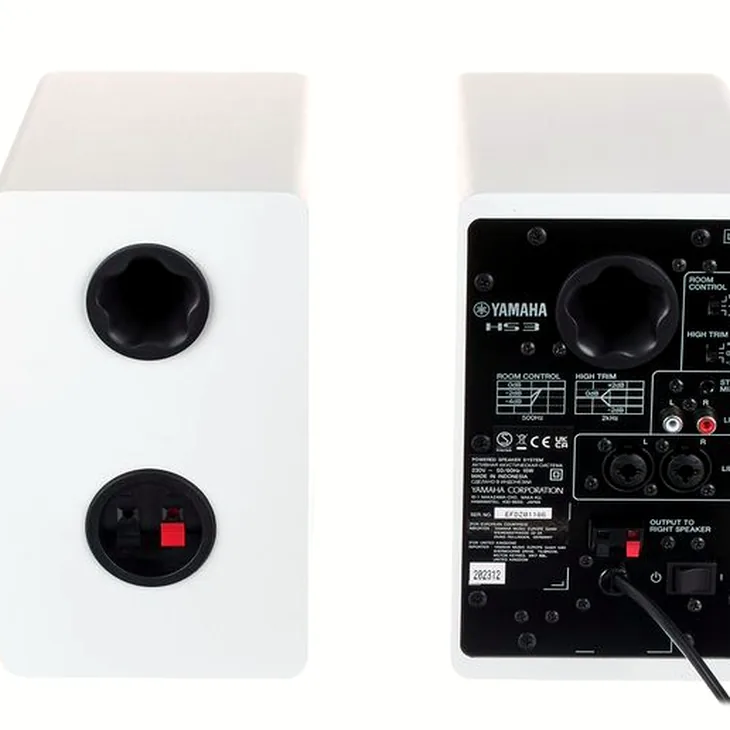
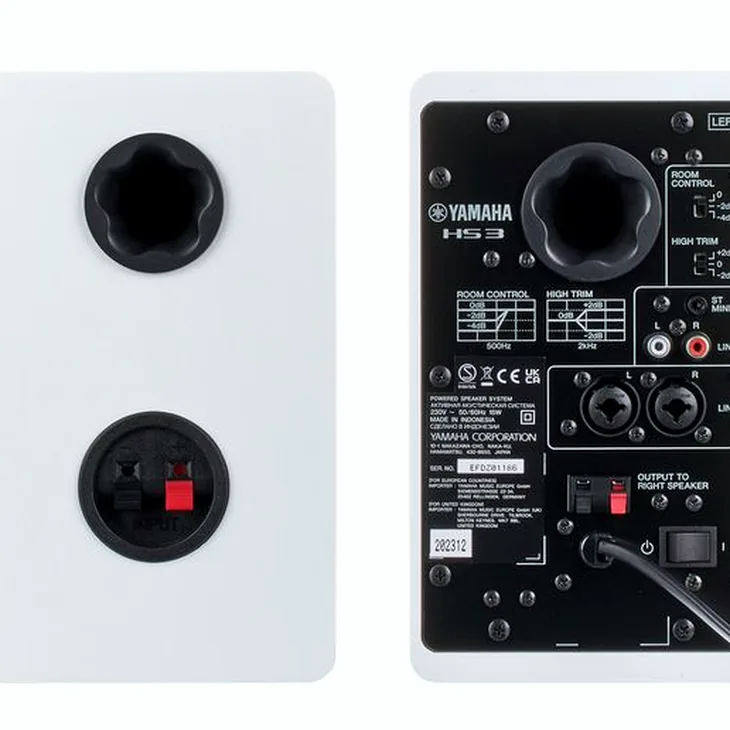
- Switches: Room Control (0 / -2 / -4 dB below 500 Hz), High Trim (+2 / 0 / -2 dB above 2,000 Hz)
- Volume control on the front
- Line inputs (left monitor): 2 x Combo XLR / 6.3 mm jack, 2 x RCA, 1 x 3.5 mm stereo mini jack
- 2x Clamp connections on both monitors for mutual connection
- Dimensions (W x H x D): 132 x 223 x 189 mm (left monitor) / 132 x 223 x 177 mm (right monitor)
- Weight: 2.8 kg (left monitor) / 2.1 kg (right monitor)
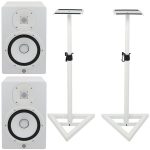
- Colour: White
- Includes anti-slip pad, stereo mini cinch cable and monitor L/R connection cable
Images


Additional Information
Customer Review Summary
I recently tested the Yamaha HS 3 W and I must say, they are an excellent choice for studio use. There is no distortion or unwanted noise, even at low volumes.
The simplicity of the connections is a big plus, and the price is very competitive compared to much more expensive speakers that don’t offer the same quality.
The sound is well-balanced with a relatively good bass foundation and clear highs. The spatial reproduction is impressive, making listening to music a genuinely enjoyable experience. I connect my equipment via XLR inputs, and the sound is noticeably more vibrant than when using a jack.
In summary, they sound great, are well-built, and offer a lot of studio monitor for the money. The only downside is the speaker terminals for connecting the two units, which could be improved. They serve as entry-level monitors for small studios or as excellent speakers for PCs.
For a small studio like mine, they are perfect. They fit nicely on my desk, yet are heavy enough to prevent vibrations. With 40 W per unit, they are surprisingly loud and they also have a modern aesthetic that looks great.
The multiple inputs provide flexibility, and the room EQ corrections work wonderfully. These speakers are ideal if you’re short on space at home; I have my samplers connected via XLR and my PC hooked up through the minijack.
The sound quality is good, with a frequency range that’s sufficient for mixing simple projects at home without any issues. The response is quite flat, which is exactly what you need for mixing without emphasising the bass too much. If you’re on a budget and have limited space, these are definitely the speakers to choose.
Read more…