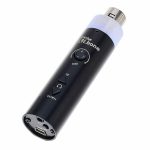
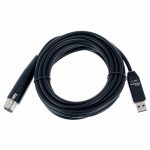
the t.bone USB 1G


Detailed characteristics of the the t.bone USB 1G
- Length: 5 m
- Integrated A / D converter
- For easy connection of guitar / bass to the computer
- 6.3 mm mono plug to USB plug
- Plug and play
- USB bus-powered (no power adapter required)
- Power-On Light
- Signal Boost Gain: 22 dB
- Resolution: 16 bits
- Signal-to-noise ratio: 83.1 dB
- For WIN98SE / 2000 / XP / VISTA32-Bit / 7/8, MAC OSX 10.5
Images


Additional Information
Customer Review Summary
The t.bone USB 1G is a straightforward, plug-and-play audio interface that connects your guitar or other instruments directly to your computer via USB. The initial setup is simple, with most users finding it easy to get started without needing to install additional drivers, especially on Mac systems.
However, the product is not without its drawbacks. A common issue reported is high latency, which can be problematic during recording or live monitoring. Users have noted that, after approximately 30 minutes of use, the latency can become noticeable, requiring a restart of the DAW or the USB connection to mitigate the problem.
Audio quality is another concern. While some appreciate the convenience and affordability, many have experienced issues with background noise and a high signal boost that can lead to distortion, particularly when using high-gain settings. This has resulted in frustration for those aiming for clean tones, especially with humbucker pickups.
Despite these issues, the t.bone USB 1G is often seen as a suitable choice for casual use or recording quick ideas at home. Its low price makes it an attractive option for beginners or hobbyists who do not require professional-grade audio fidelity. However, for more serious recording tasks or professional use, it may not meet the necessary standards, with many suggesting investing in a higher-quality interface for better performance.
In summary, while the t.bone USB 1G offers a convenient entry point into digital recording, users should be prepared to deal with potential latency and audio quality issues, making it more of a backup option rather than a primary recording solution.
Read more…