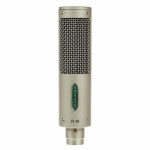
Royer Labs R-10 MP


Specifics of model Royer Labs R-10 MP
- 2 Passive studio ribbon microphones
- Ideal for recording electric guitars, brass instruments and other applications with direct recording
- Directional characteristic: Figure of eight
- Extremely low background noise
- Ribbon element insensitive to heat and moisture
- Frequency range: 30 to 15,000 Hz (+/- 3 dB)
- Output impedance: 100 Ohm
- Max. SPL: 135 dB at 50 Hz
- Weight (1 microphone): 368 g
- Dimensions (1 microphone – L x Ø): 149 x 35 mm
- Microphone holder, microphone pocket, case and swiveling holder (black) included
Images


Additional Information
Customer Review Summary
The Royer Labs R-10 MP ribbon microphones are an impressive addition to any studio setup, offering a beautifully crafted design and a range of applications. Their sound quality is notably rich and clear, making them particularly well-suited for electric guitar amplifiers, where they outperform other models like the Beyerdynamic M160.
When used as overheads for drums, these microphones deliver a smooth, less aggressive sound compared to static mics, effectively taming cymbals and preserving the natural timbre of the kit. Interestingly, positioning the mics “backwards” can enhance the high frequencies slightly, allowing for a much softer result without compromising the overall sound quality.
They also excel with brass instruments, providing a pleasant roundness, and perform reasonably well on double bass. However, they struggle with acoustic guitars and string instruments like violin and cello, where the sound can become unfocused and dull, making alternatives like the M160 preferable for those applications.
The R-10s are particularly adept at capturing sources that benefit from a natural roll-off of high frequencies, making them far from a one-size-fits-all microphone. The mounting hardware is robust and user-friendly, and the included case is of good quality. While they require more gain for quieter sound sources, they handle higher levels without issue, making them suitable for pop and rock contexts.
Overall, these microphones are a fantastic choice for various applications, delivering a direct and mid-focused sound that can be beautifully enhanced with EQ. They are a reliable and valuable addition to any microphone collection.
Read more…