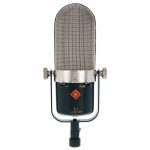
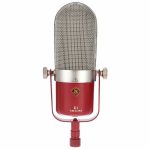
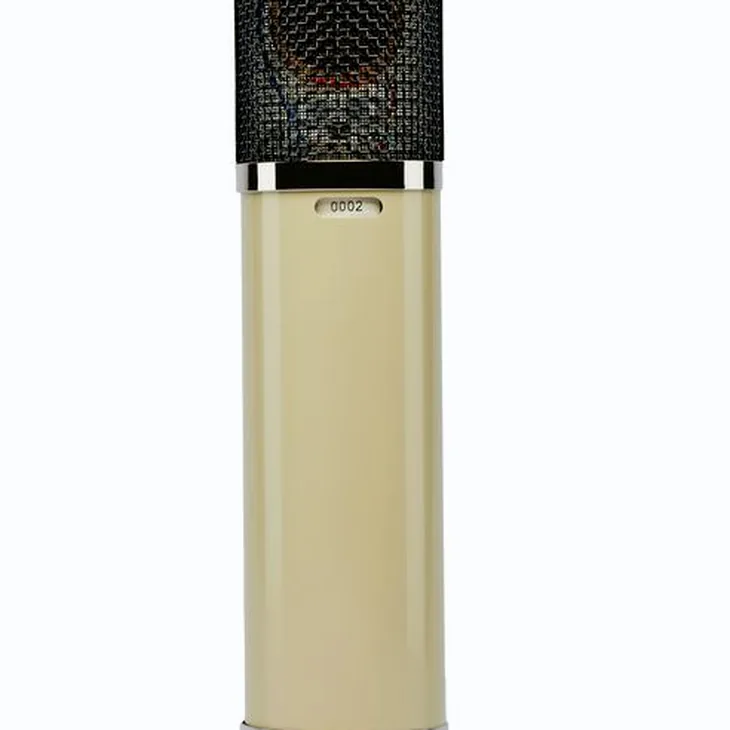
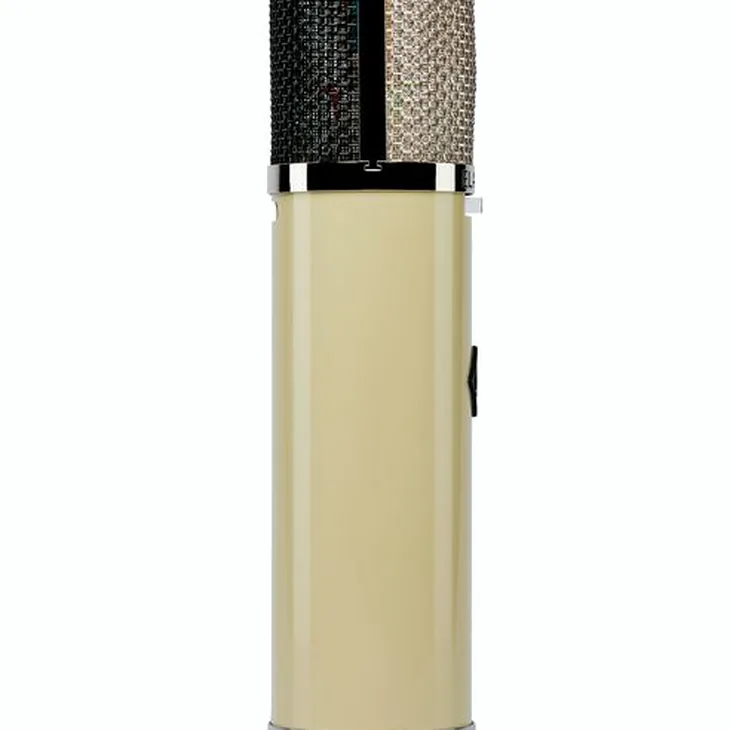
Golden Age Audio Premier ELA M 251E


Most important features of Golden Age Audio mic
- Pressure gradient transducer
- Switchable polar pattern: Omnidirectional, figure-of-eight, cardioid
- Frequency range: 20 Hz – 20 kHz
- Sensitivity: -34.5 dBV
- Max. SPL: 136 dB
- Output impedance: 200 Ohm
- K251D capsule
- EH6072A tube
- Dimensions (length x diameter): 220 x 52 mm
- Weight: 0.58 kg
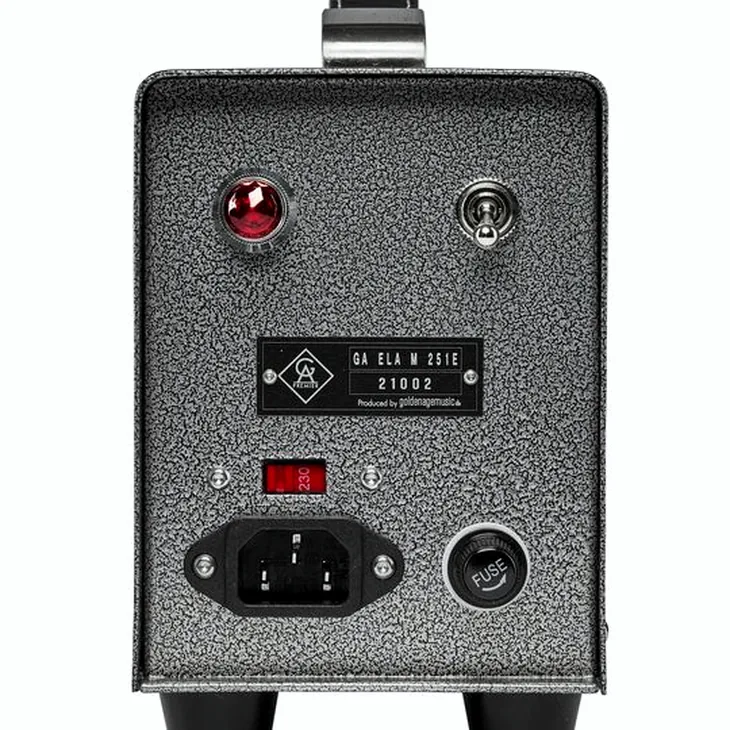
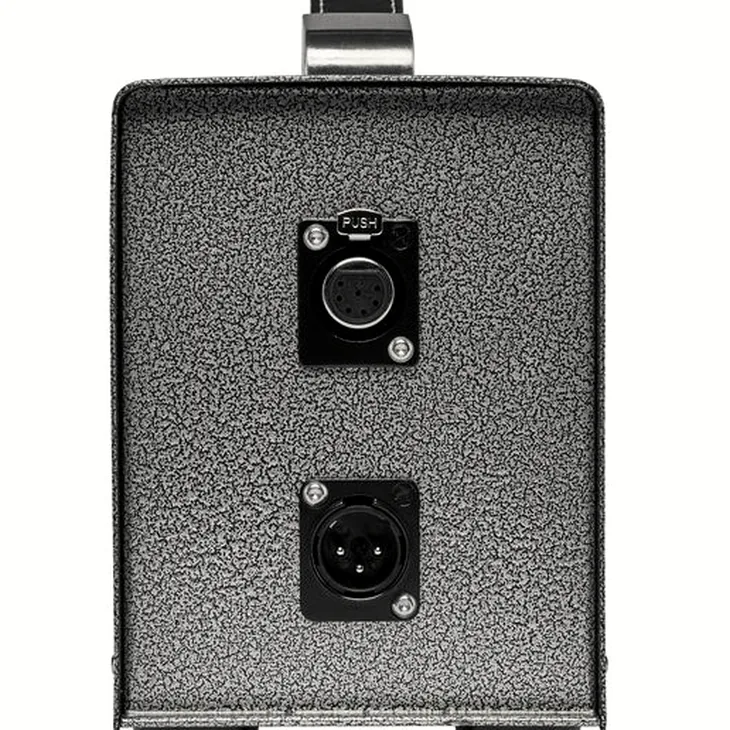
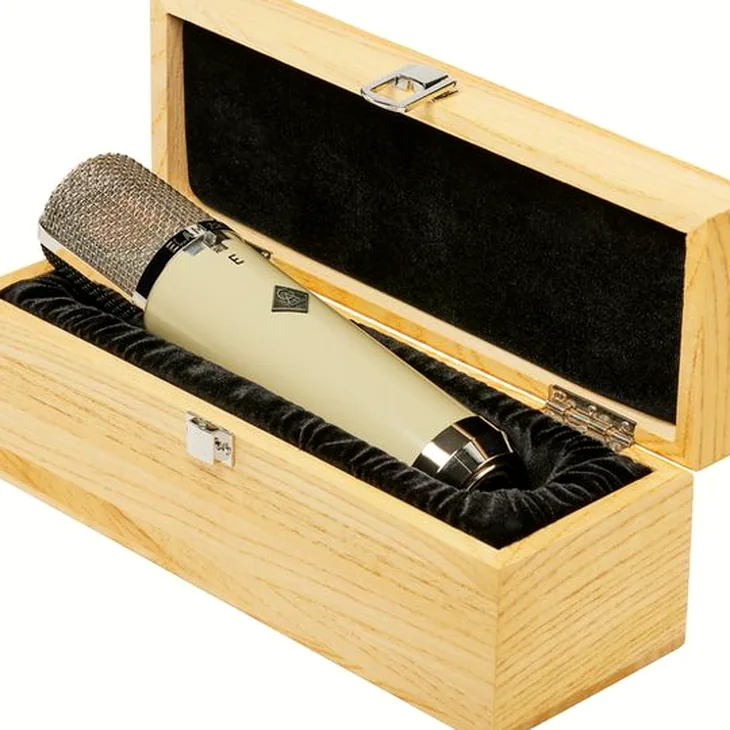
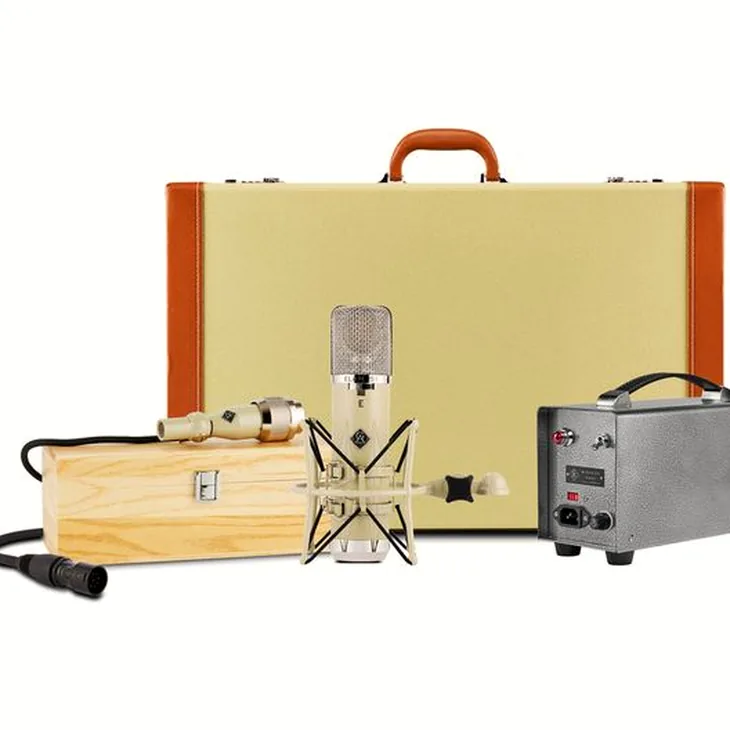
- Incl. power supply and elastic microphone mount
Images
Additional Information
Customer Review Summary
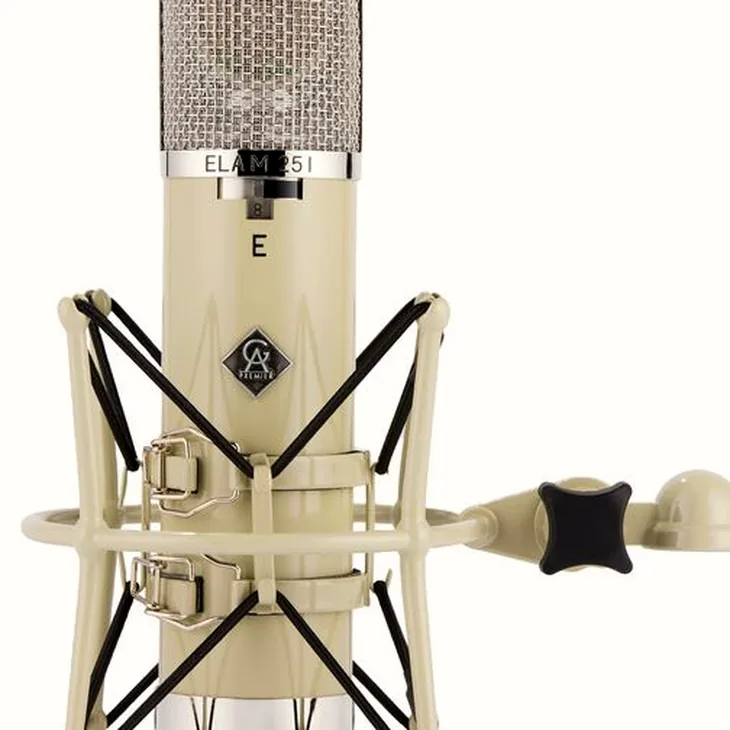
The Golden Age Audio Premier ELA M 251E is a visually appealing replica of the Telefunken M251, reflecting a commendable attention to detail in its design.
While I cannot compare its sound directly to the Telefunken, the microphone itself delivers a clear audio performance without noticeable self-noise. The included ‘Canard’ cable, although undoubtedly of good quality, is somewhat stiff and inconvenient to manage. I opted to replace it with a more flexible Sommer Octave cable for ease of use.
One notable difference from the original Telefunken model is the lack of switchable output impedance between 50 and 200 ohms; however, this is not a significant drawback for modern users.
The microphone’s body features a powder-coated finish in a colour similar to the original, and it is worth mentioning that the interior is also lightly coated, which could potentially hinder contact with the internal spring strips and lead to unwanted hum. To mitigate this, I sanded the interior to ensure a better connection.
As for whether this microphone is worth its price, it is essential to note that one could purchase multiple good microphones for the same investment. The circuitry, which consists of a triode with the output signal taken from the anode, is not particularly remarkable. Nonetheless, the effort to faithfully reproduce the original design is evident and well-executed, with the swivel mount being a particularly impressive feature.
For those who can afford it, the GA ELA M251 stands as a quality microphone and a striking addition to any studio setup.
Read more…