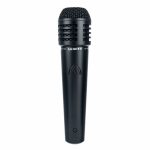
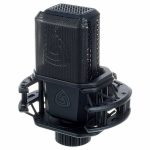
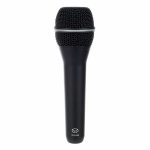
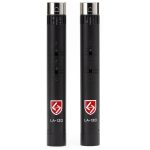
Lewitt DTP 340 TT


Technical characteristics of Lewitt DTP 340 TT
- For toms, snare and amps
- Polar pattern: supercardioid
- Frequency range: 40 – 16000 Hz
- Sensitivity: -57 dBV / Pa
- Impedance: 500 ohms
- Gold-plated 3-pin XLR connector
- Weight: 0.17 kg
- Includes microphone mount for drums, microphone mount and transport bag
Images


Additional Information
Customer Review Summary
The Lewitt DTP 340 TT is a well-crafted microphone specifically designed for toms, and my initial impressions are quite positive. The sound quality is impressive, producing a punchy and detailed tone that competes well with industry standards like the Sennheiser E604. While it may not be exceptional across all uses, it excels in capturing the essence of toms, offering a scooped sound that many drummers will appreciate.
One of the standout features is its compact size, which is particularly beneficial for smaller drum kits where space is at a premium. The microphone feels sturdy and well-built, and it comes with a solid plastic mount that allows for easy positioning. However, it’s worth noting that the included mic clip can be rather stiff, making it difficult to attach in tighter setups, especially on snares. It requires a good amount of clearance above the drum, which may interfere with cymbal placement for some setups.
In terms of sound, the DTP 340 TT delivers a transparent and bright profile, although it lacks some mid-range compared to other popular models like the SM57. This can be compensated with EQ adjustments, which makes it a versatile choice for both live performances and studio recordings. The microphone also shows decent isolation from bleed, thanks to its supercardioid pattern, making it suitable for various applications beyond just drums.
Overall, the Lewitt DTP 340 TT offers excellent value for its price, particularly for drummers looking for a reliable tom microphone. Its quality construction and sound performance make it a strong contender in its category, and I anticipate it becoming a go-to choice for many musicians.
Read more…