
Getting a professional-sounding vocal track at home is more accessible than ever—and much of that comes down to selecting the right microphone. Large diaphragm condenser microphones are the go-to for most enthusiasts looking for clear, nuanced voice capture in a home studio recording environment. The sheer variety of models can feel overwhelming, but you don’t need a massive budget or a perfectly treated room to find your ideal mic. In this practical guide, we’ll explore what makes large diaphragm condenser microphones so effective, highlight the best picks for vocal recording, and help you make an informed choice for your next studio investment.
Why choose large diaphragm condenser microphones for vocals?
When it comes to home studio recording, not all microphones deliver the same results. Large diaphragm condenser microphones consistently provide warmth, presence, and detail that flatter vocals. These mics respond sensitively to subtle dynamics, capturing expressive performances with impressive clarity.
Unlike dynamic microphones—which often emphasize a narrower frequency band—condenser models offer a broader frequency range. This means you get crisp highs without losing low-end depth. For anyone striving for a “radio ready” sound, these mics are foundational to a home studio setup.
Main factors to consider when selecting a vocal microphone
Choosing the perfect microphone isn’t just about brand prestige or price tag. It’s about how the mic shapes your unique voice, its versatility, and how well it suits your recording space.
If you’re just starting out, look for simplicity and reliable results. More experienced singers may prioritize features like multi-pattern microphones or enhanced high-frequency detail. Aligning your needs with these characteristics will ensure you make the most of any mic buyer’s guide.
Understanding sound capture and nuance
The defining trait of excellent large diaphragm condenser microphones is their ability to capture detailed and nuanced sound. These mics reveal every breath, vibrato, and tonal variation—crucial for authentic and emotional recordings.
If a microphone is overly bright, harsh consonants may become exaggerated. If too mellow, vocal clarity might suffer in a mix. Whenever possible, listen to test tracks or user reviews to find the sonic balance that complements your style.
Features for versatility and all-around use
Most home studios aren’t equipped with a dedicated vocal booth, so flexibility is key. Multi-pattern microphones let you adjust pickup direction—from cardioid for solo vocals to figure-8 or omni for different scenarios—as your needs evolve.
Some microphones excel only for solo voice, while others are versatile enough for instruments, group vocals, or even spoken word. Prioritize versatility if you want one all-around use purchase that covers podcasts, demos, and acoustic sessions alike.
Mic buyer’s guide: best picks for every budget
No matter your experience or budget, there’s a solid microphone option for your needs. We’ll break down affordable options, notable upgrades, and versatile workhorses suitable for all levels of home studio recording.
This approach helps focus your search, saving time and avoiding endless scrolling through product listings.
Budget microphones and affordable options
You don’t have to spend a fortune to achieve polished results at home. Today’s budget microphones provide impressive clarity and low self-noise, letting you record clean vocals without unwanted hiss.
- 💵 Many models available for under $150—ideal for beginners
- 🎤 Features like built-in pads or filters give extra control
- 🪙 Rugged designs withstand repeated use
Affordable choices also free up funds for essentials like audio interfaces, pop shields, or basic room treatment—all crucial for great vocal recording. Remember, it’s the combination of gear—not just one expensive item—that delivers the best sound.
Stepping up: noteworthy upgrades for advanced users
Once your workflow is established and you know the sound you want, upgrading your mic can be transformative. High-end large diaphragm condenser microphones offer richer harmonics, deeper lows, and greater headroom for powerful singing. Advanced creators appreciate the polish these mics add to raw takes.
These models often feature multi-pattern capabilities, tactile onboard controls, and minimal coloration—essential if you seek a transparent signal path. Before investing, weigh each model against your long-term goals in music production or content creation.
Essential specs to evaluate before buying
Not every spec is vital for every project, but some features make a real difference in vocal recording. Understanding what matters keeps you from falling for marketing hype or overspending on unnecessary extras.
The table below summarizes key specs to compare when evaluating several large diaphragm condenser microphones side by side:
| 🎯 Spec | 📊 Why it matters |
|---|---|
| Frequency response | Covers lows, mids, and highs needed for detailed/nuanced sound capture |
| Sensitivity | Higher sensitivity = clearer, more present vocals at lower gain settings |
| Self-noise level | Low self-noise ensures minimal hiss, crucial for quiet passages |
| Polar patterns | Multi-pattern microphones offer flexibility for all-around use |
| Max SPL | Prevents distortion during powerful vocal parts |
For most home setups, aim for a broad frequency response (around 20 Hz–20 kHz), self-noise below 15 dB-A, and at least a selectable pad or filter for handling louder sources. Even many affordable options now meet these standards, narrowing the gap between entry-level and premium studio tools.
Expert tips for top vocal recording results
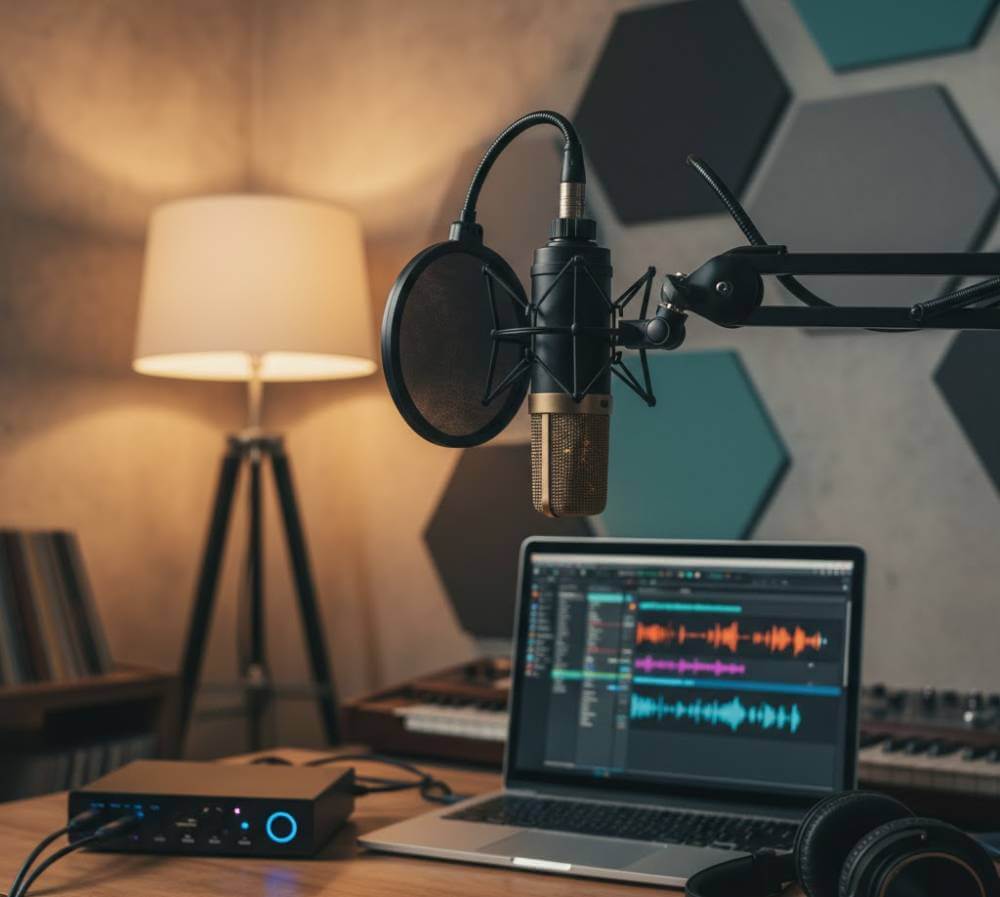
Setting up your new mic properly brings out its true character and lifts your vocal recording quality. Placement, pop screening, and modest room treatment form a chain where each link supports the final outcome.
Experimentation pays off. Instead of positioning the mic straight on, angle it slightly off-axis to reduce plosives and sibilance, allowing your voice’s natural tone to shine through.
- 🛑 Always use a pop shield to block unwanted pops and breaths
- 🪟 Record away from noisy windows and hard, reflective surfaces
- 🧦 Temporary fixes—like hanging duvets—help control echo in untreated rooms
Many large diaphragm condenser microphones offer exceptional results when paired with the right accessories. Testing preamp settings and subtle EQ tweaks during playback often reveals just how much value even a modestly priced mic can deliver.
What makes large diaphragm condenser microphones ideal for home vocal recording?
These microphones are preferred for vocal recording due to their sensitivity and ability to deliver detailed/nuanced sound capture. Their larger diaphragm boosts warmth and presence, making even casual home recordings sound polished. The fast transient response and wide frequency range help pick up subtle details in singing styles.
- 🎤 Excellent for emotional performance capture
- 🔊 More responsive to dynamic shifts
- 🌈 Easily translates voice character into digital mixes
Are there budget microphones that deliver professional results?
Yes, plenty of affordable options now rival pricier studio mics in clarity and reliability. While flagship microphones boast heritage and pedigree, modern budget microphones use advanced capsule designs and electronics, ensuring consistent output for vocal tracking. Prioritize units with low self-noise and sturdy construction to maximize value.
- 💸 Entry-level models now widely used by indie artists
- 🧑🎤 Deliver usable results from podcasting to album demos
| 📉 Price Range | 🎯 Usability |
|---|---|
| $70–$200 | Perfect for home studio recording beginners |
| $200–$500 | Ideal upgrade for semi-pro creators |
How important is the polar pattern for home use?
Polar pattern defines how a microphone picks up sound from different directions. Home studios benefit from cardioid patterns, which isolate the singer’s voice and reduce room reflections. Multi-pattern microphones are valuable for all-around use, such as capturing group vocals or instrument ambiance.
- 🎚️ Cardioid for focused solo vocal
- 🌐 Omni or figure-8 adds versatility for collaborations or instrument tracking
Can I use large diaphragm condenser microphones for other purposes?
Absolutely, these microphones are known for their versatility. Besides vocals, many are excellent for acoustic guitars, podcasts, and room overheads. All-around use reduces the need for multiple purchases, maximizing your gear’s return on investment.
- 🎶 Acoustic instruments sound more open and lively
- 🎙️ Spoken word and narration come through naturally