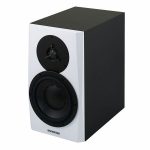
Dynaudio LYD-8


Unique details of Dynaudio studio monitors
- 8″ Woofer
- 96 kHz/ 24-bit Class-D amplifier
- Power: 80 W Woofer/ 50 W tweeter
- DSP crossover
- Crossover frequency: 3900 Hz
- Max. SPL (at a distance of 1 m): 112 dB
- Frequency range: 45 – 22,000 Hz
- Switch for input sensitivity: -6 / 0 / +6 dB
- Bass extension control: +10 Hz / +5 dB, 0, -10 Hz / -5 dB
- Position control: Presets for free or wall-mounted installation
- Sound balance control: Tilt filter (dark, neutral, bright) for adjustment according to preference
- XLR Input balanced
- RCA Input unbalanced
- Dimensions (W x H x D): 234 x 369 x 328 mm
- Weight: 10.2 kg
- Housing: Black with white front
Images


Additional Information
Customer Review Summary
The Dynaudio LYD-8 monitors have left me thoroughly impressed with their performance. In a small living room setup, they create a beautifully precise soundstage with excellent instrument separation and timbre. The bass, while not the deepest, is tight and accurate, making them ideal for genres like classical and jazz.
What stands out the most is the clarity and detail across the frequency spectrum. The midrange is rich, and the treble is airy without any harshness, making long listening sessions enjoyable without ear fatigue. These monitors excel in reproducing guitar sounds, making them particularly appealing for rock and blues music.
The build quality is exceptional, as expected from Dynaudio, and the rear DSP controls allow for effective adjustments to suit different environments. The auto shut-off feature is a nice touch, saving energy when not in use. While they handle most music genres remarkably well, if you’re looking for deep sub-bass, you might want to consider pairing them with a subwoofer for that extra depth.
Overall, the LYD-8 monitors are a superb choice for anyone seeking a professional upgrade in their sound system. They offer an impressive stereo image and deliver a performance that can highlight imperfections in mixes, making them an invaluable tool for serious music production.
Read more…