
Field Test · Studio Gear Review
Fostex TH909LE
Technical appraisal of Fostex’s TH909LE open-back headphones
 Fostex
- Reference Headphones
- Accessories & matching items
- Compare options
- Smart Navigator
Spec Sheet
- Circumaural
- Open-back design
- Dynamic
- Frequency range: 5 – 45,000 Hz
- Impedance: 25 Ohm
- Sensitivity: 100 dB/mW
- Maximum input: 1,800 mW
- Driver: 50 mm neodymium driver with “Bio-Dynamic” diaphragm
- Neodymium magnet drive with 1.5 Tesla magnetic flux density
- Foster / Fostex “Biodyna” diaphragm for finely detailed high audio resolution and sound reproduction
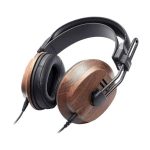
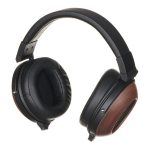
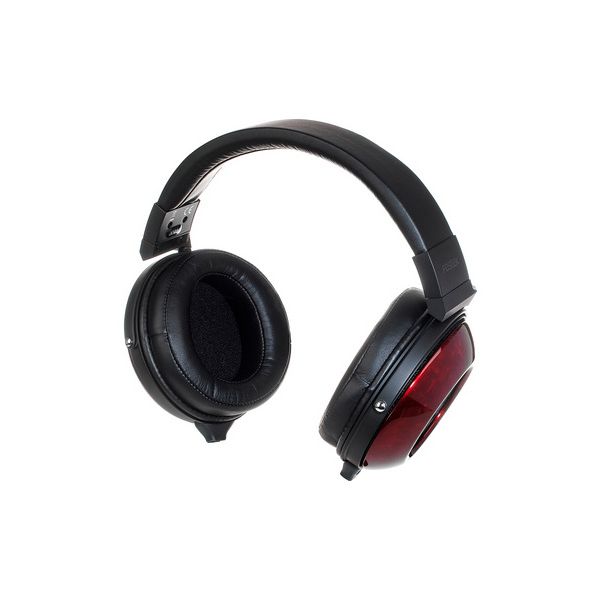
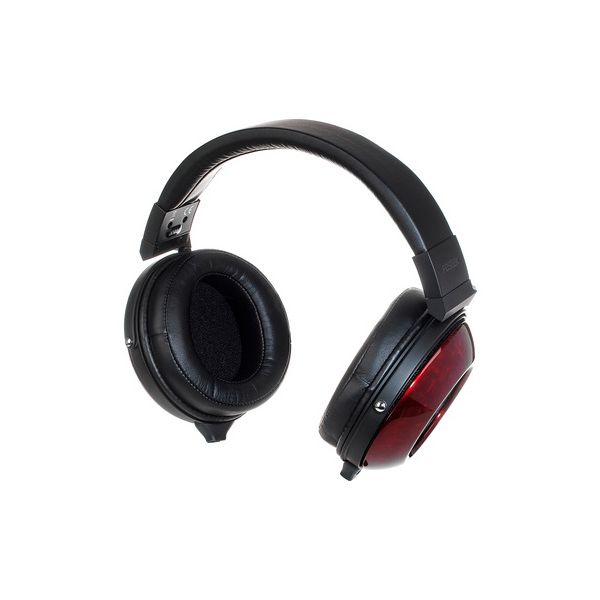
- Housing made from Mizume Cherry, a premium wood species native to Japan, derived from a variety of the Japanese birch with excellent acoustic properties
- Traditional Urushi lacquer finish applied by hand
- Artificial leather ear pads with low-resilience urethane padding
- Detachable, flat 2 m cable with 6.3 mm jack
- Cable made of 7N OFC copper (99.99%) and robust plug housing made of duralumin
- Weight: 390 g (without cable)
- Includes carry pouch
Studio Log
| Available since | March 2026 |
|---|---|
| Item number | 639557 |
| Sales Unit | 1 piece(s) |
| Design | Over-Ear |
| System | Open |
| Impedance | 25 Ohms |
| Frequency range | 5 Hz – 45000 Hz |
| Adaptor | No |
| Replaceable Cable | Yes |
| Colour | Black/Red |
| Max. SPL | 100 dB |
| Sensitivity | 100 dB |
| Type Of Connector | Jack |
| Weight | 390 g |
| Replacable Cable | Yes |
| Marrone/Argento | Red |
Demo Footage
Field Photography
QC Pass — Field Test
Customer Review Summary
Introduction to the Fostex TH909LE
Released in March 2026, the Fostex TH909LE sets a high standard for open-back, over-ear headphones aimed at audiophiles seeking refined sound reproduction. Priced at £1,739, this model blends traditional craftsmanship with cutting-edge components. The TH909LE is the latest iteration in Fostex’s lineup, offering detailed sound delivery through a robust design utilising exotic materials and advanced driver technology.
Construction and Design
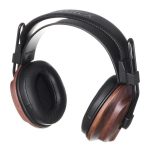
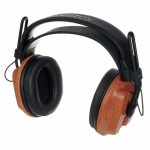
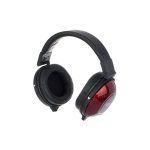
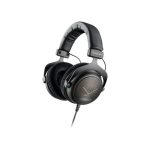
The headphones employ a circumaural, open-back design conducive to a spacious and natural soundstage. Unlike closed-back models, the TH909LE’s open system enhances acoustic transparency but may allow ambient noise intrusion, limiting their use to quiet environments. The housing is crafted from Mizume Cherry wood, a Japanese birch variety known for its acoustic properties, giving the unit not just a premium aesthetic but functional resonance control.
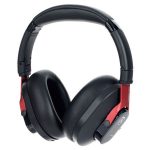
Complementing the wooden ear cups, the surface is finished with traditional Urushi lacquer applied by hand. This finishing technique adds durability alongside subtle vibrance to the headphones’ black and red color scheme. The ear pads made from artificial leather feature low-resilience urethane padding to balance comfort and acoustic isolation without overly sealing the ear.
Driver and Audio Specifications
Central to the TH909LE is its 50 mm neodymium driver equipped with Fostex’s proprietary “Bio-Dynamic” diaphragm. The neodymium magnet, generating a flux density of 1.5 Tesla, supports precise driver control, contributing to the headphones’ capacity to reproduce sound with exceptional resolution across its frequency range of 5 Hz to 45,000 Hz.
This driver configuration yields a sensitivity rating of 100 dB per milliwatt, matching the maximum sound pressure level of 100 dB. These figures suggest efficient power conversion capable of high output without excessive distortion, suitable for a variety of listening environments and amplifier pairings, especially given the moderate impedance of 25 Ohms.
The frequency range surpasses the typical audible spectrum, extending deep into subsonic and ultrasonic territories. While human hearing caps near 20 kHz, the extended range implies an ability to handle complex harmonics and overtones, contributing to a more immersive and nuanced listening experience.
Cabling and Connectivity
The Fostex TH909LE comes with a detachable, flat 2-metre cable terminating in a 6.3 mm jack connector. The choice of removable cables is practical for maintenance and swapping with upgrade options. The cable is constructed from 7N oxygen-free copper (99.99% purity), aimed at minimising signal loss and interference. The plug housing is precision-engineered from duralumin, a robust aluminium alloy enhancing durability and shielding.
No adaptor is included, which suggests the headphones are primarily intended for use with traditional headphone outputs rather than mobile devices without suitable connectors. Given the weight of 390 grams without the cable, they should provide comfortable wearing over extended periods, thanks to the materials and ear pad design.
Practical Considerations
- Open-back format demands quiet environments to avoid sound leakage affecting others and external noise compromising listening.
- Replaceable cable offers longevity and flexibility in connecting options.
- Relatively low impedance at 25 Ohms facilitates compatibility with a wide range of audio sources, including portable amplifiers.
- Premium build materials such as Mizume Cherry wood and Urushi lacquer add to both durability and acoustic refinement but increase unit cost.
- Weight of 390 g is moderate and well distributed, ensuring wearer comfort during prolonged sessions.
Conclusion
The Fostex TH909LE headphones stand out through their blend of high-end materials, sophisticated driver technology and a design philosophy prioritising authentic sound reproduction. The combination of a large, neodymium-driven 50 mm Bio-Dynamic diaphragm with an open-back structure aims to deliver wide frequency response and detailed audio. The use of Japanese Mizume Cherry wood for the housing, finished with Urushi lacquer, highlights the premium craftsmanship behind these headphones. Detachable OFC copper cables and a practical impedance level further enhance their versatility.
While the TH909LE is positioned firmly in the audiophile domain with a price reflecting its premium materials and technical features, it makes clear sacrifices typical for open-back headphones, such as limited noise isolation. Potential users should be aware that its use is best suited to controlled listening environments where sonic purity is paramount.