
Field Test · Studio Gear Review
Sony MDR-M1
Technical assessment of Sony’s latest over-ear closed-back MDR-M1 headphones
 Sony
Sony
- Studio Headphones
- This is what customers who viewed this product bought
- Accessories & matching items
- 16Customer ratings
- Compare options
- Smart Navigator
Spec Sheet
- For mixing and mastering
- Newly developed HD driver supports 3D audio
- Circumaural
- Closed-back
- Dynamic
- Frequency range: 5 Hz – 80,000 Hz
- Impedance: 50 ohm
- Max. sound pressure level: 102 dB/mW
- Driver size: 40 mm
- Single-cable configuration
- Connection: 6.3 mm stereo jack
- Weight (without cable): 216 g
- Colour: Black
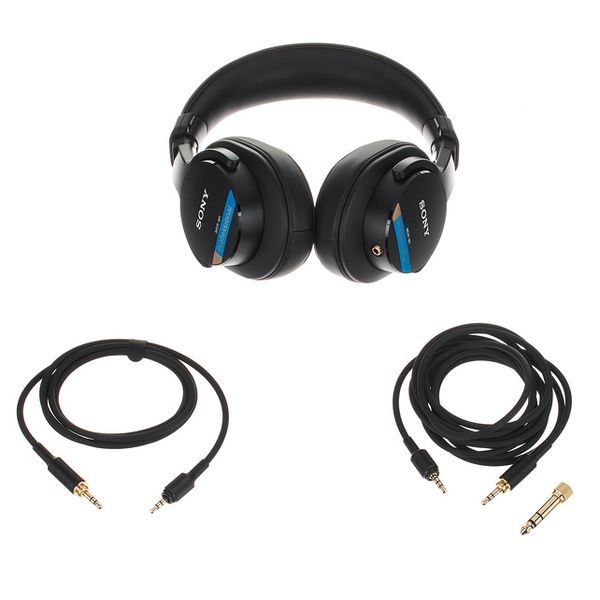
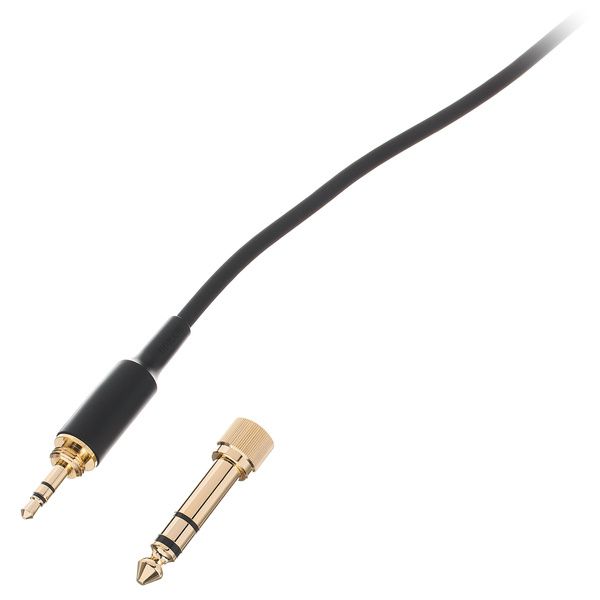
- Includes 2.5 m flat cable (interchangeable) and 1.2 cm adapter cable 6.3 mm jack to 3.5 mm mini jack
Studio Log
| Available since | October 2024 |
|---|---|
| Item number | 600413 |
| Sales Unit | 1 piece(s) |
| Design | Over-Ear |
| System | Closed Back |
| Impedance | 50 Ohms |
| Frequency range | 5 Hz – 80000 Hz |
| Adaptor | Yes |
| Replaceable Cable | Yes |
| Colour | Black |
| Max. SPL | 102 dB |
| Sensitivity | 102 dB |
| Type Of Connector | Jack, mini-jack |
| Adapter | Yes |
| Weight | 216 g |
| Replacable Cable | Yes |
| Marrone/Argento | Black |
Demo Footage
Field Photography
QC Pass — Field Test
Customer Review Summary
Introduction
The Sony MDR-M1 is a newly released closed-back over-ear headphone aimed at professional audio applications, notably mixing and mastering. Priced at £182 and launched in October 2024, it features a 50 ohm impedance and an exceptionally wide frequency response spanning 5 Hz to 80,000 Hz. Equipped with a newly developed 40 mm HD driver, the MDR-M1 supports 3D audio with a purportedly precise and detailed soundstage. This review examines the build, sonic characteristics and usability based on hands-on experience and feedback from professional users.
Design and Build Quality
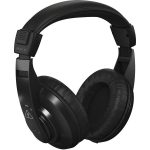
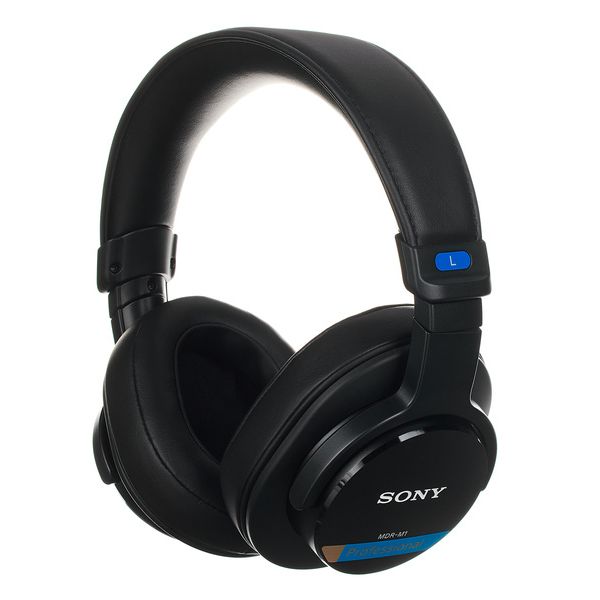
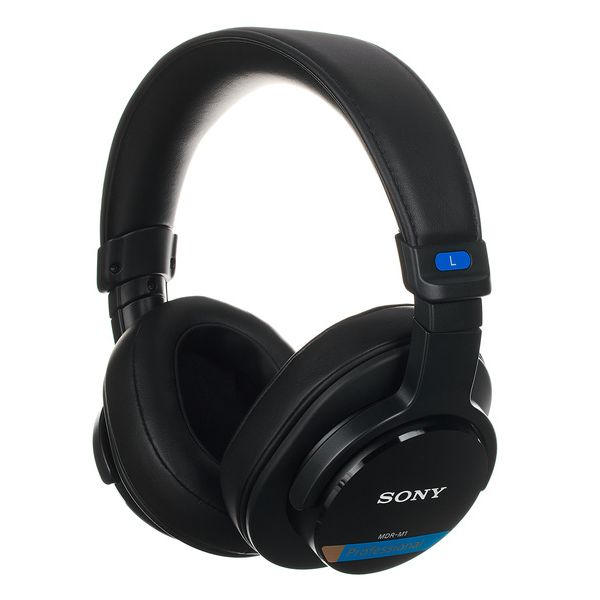
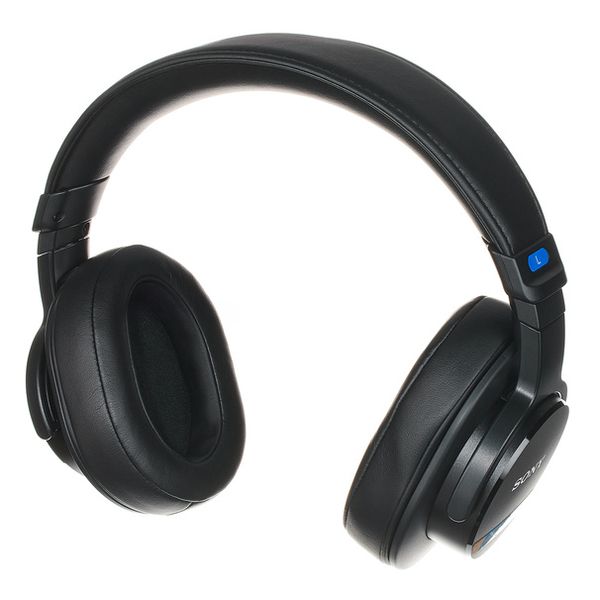
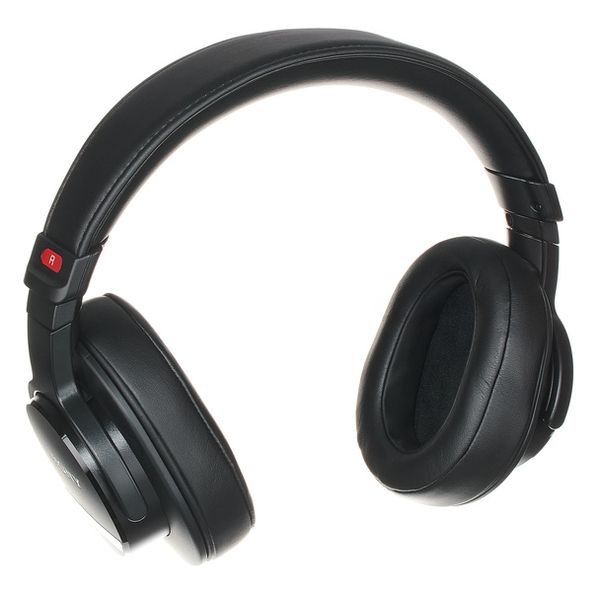
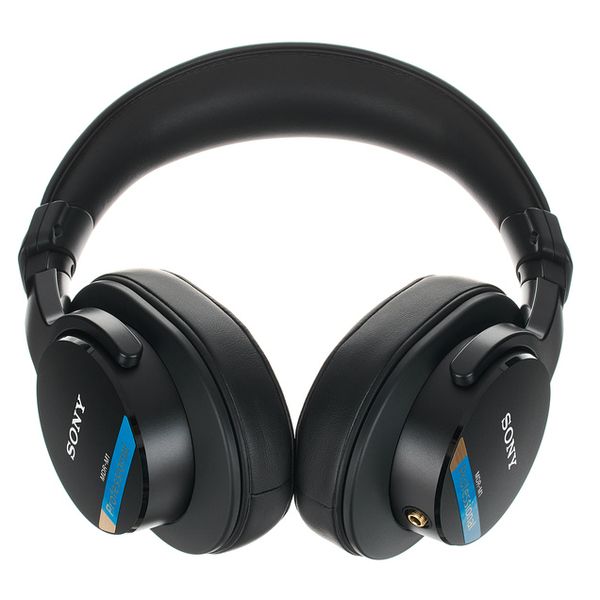
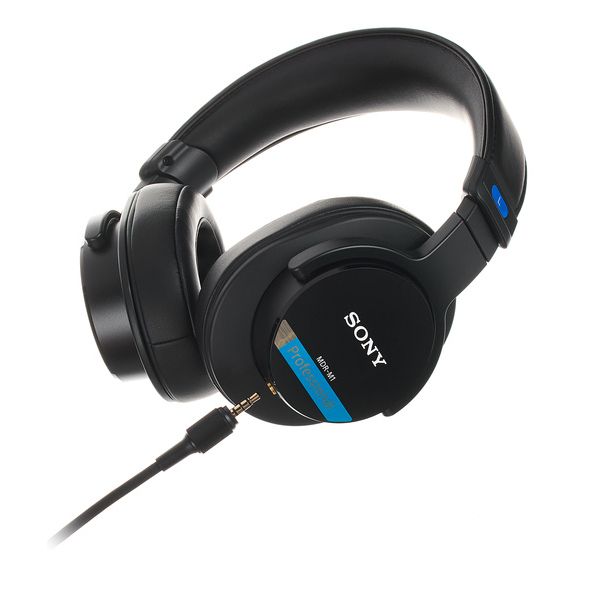
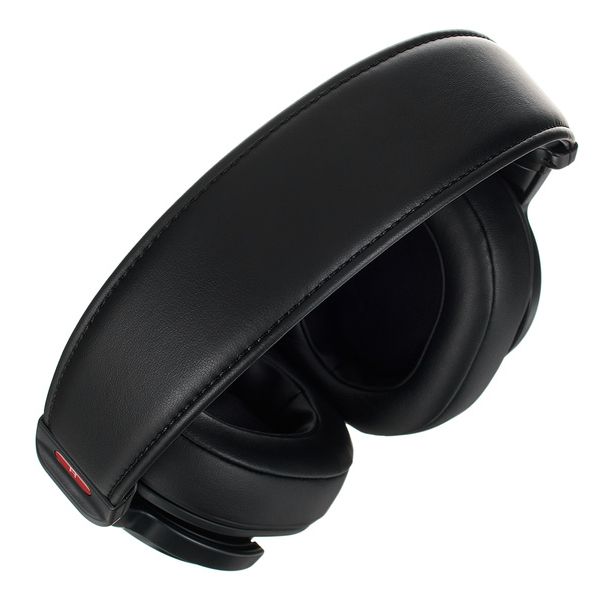
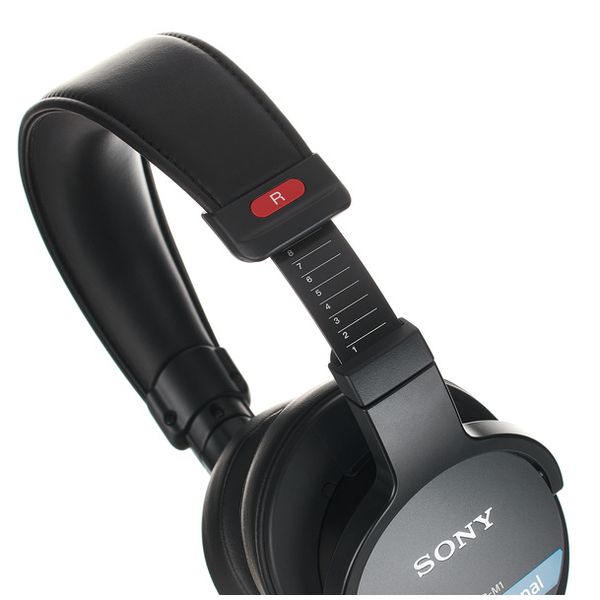
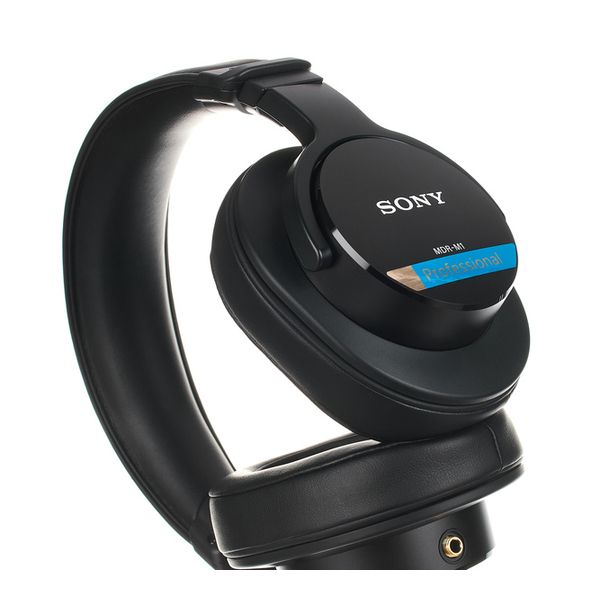
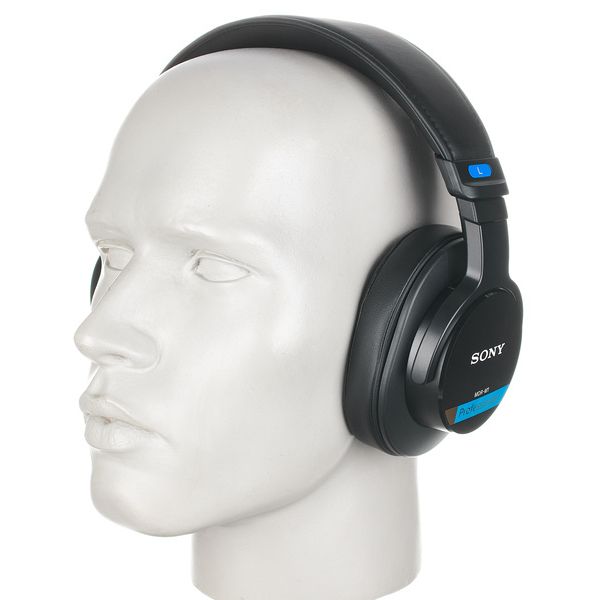
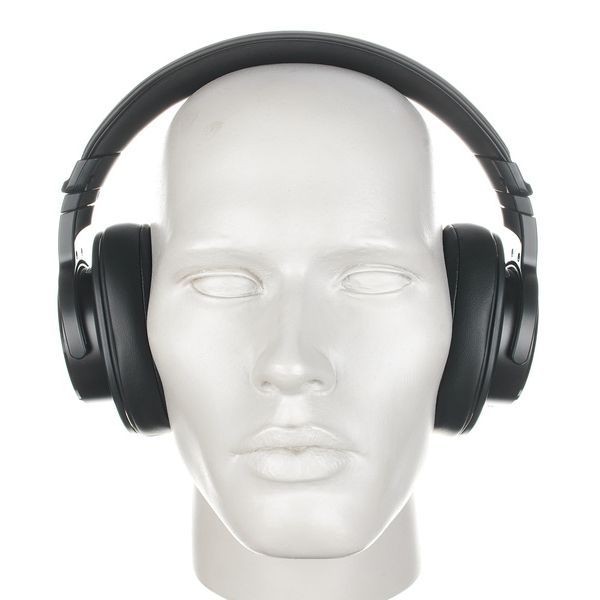
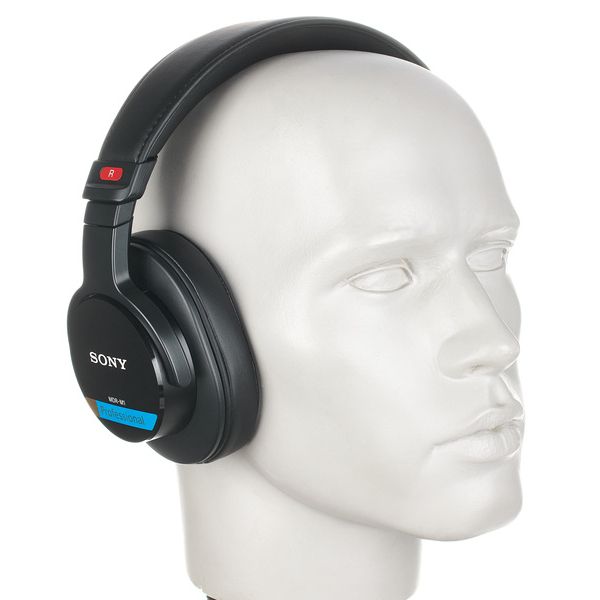
The MDR-M1 adopts a circumaural closed-back design finished in a matte black colour. Weighing 216 grams without cable, these headphones are lightweight and comfortable for extended wear. The ear pads are noted for fitting standard ear shapes well, although some users find them slightly thin, which means ears may contact the fabric lining during long sessions. The headband provides adequate clamping force without excessive pressure.
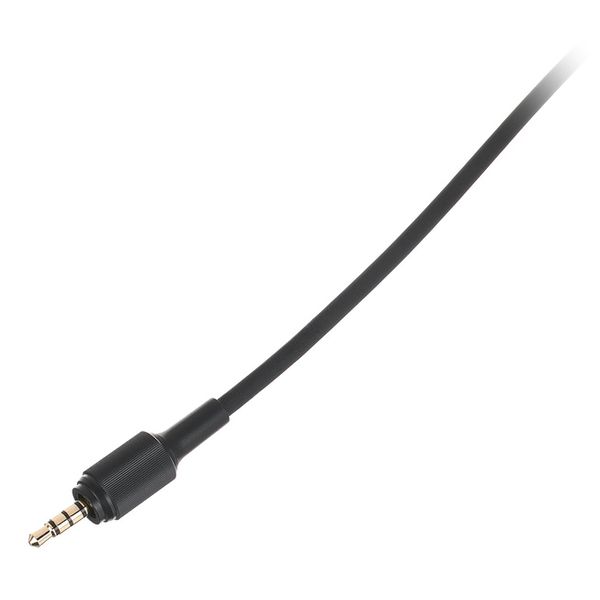
Build quality is strong, consistent with Sony’s professional-grade expectations. The package includes two cables: a flat 2.5 m interchangeable cable terminating in a 6.3 mm stereo jack, accompanied by a 1.2 m adapter cable with a 3.5 mm mini jack. The flat cable, although well made, tends to pick up microphonic noise, rubbing against clothing or surfaces causes cable noise perceptible through the headphones, requiring careful cable management or the use of clips.
Sound Signature and Performance
The MDR-M1 offers an impressive frequency response from very low bass to ultra-high frequencies, and the sound reproduction is characteristically detailed. The bass extends deeply and is described as tight, punchy and well-defined rather than overpowering. While some users report the bass presence as moderate and high quality, others find it imposing relative to their preferences, potentially due to prior adaptation to more neutral headphones or bass levels typical in contemporary recordings.
Mids maintain neutrality with good clarity, though vocals occasionally feel slightly recessed or veiled. The high frequencies are detailed but can verge on bright or shrill tones under certain material, which may lead to listener fatigue depending on taste and usage. The closed-back design naturally impacts soundstage openness; despite this, the headphones deliver an airy and spatial experience uncommon in many closed-back designs, aided by the HD driver technology supporting 3D audio soundscapes.
This model excels at revealing recording, mixing, or mastering errors. Imperfections in sound sources or processing stand out clearly, enabling precise critical listening. Electronic music may sound compressed or less spacious in comparison to open-back alternatives, but orchestral and instrumental soundtracks benefit significantly from the accurate imaging and clarity.
Use Case and Compatibility
The MDR-M1 is straightforward to drive with devices like MacBooks, as well as solid-state headphone amplifiers, without the need for additional equalisation. This convenience, combined with its detailed but non-fatiguing sound profile, makes it suitable for professionals who require reliable reference headphones in studio environments.
Given the cable’s microphonic sensitivity, studio monitoring setups should consider cable routing carefully. The included adapters cater well for typical pro audio gear with 6.3 mm jacks, but the shorter 1.2 m 3.5 mm cable may limit personal use scenarios.
Comfort and Isolation
The headphone’s lightweight construction makes them comfortable for prolonged mixing or listening sessions. However, the isolation, a key attribute of closed-back designs, is less effective than might be expected. Ambient noise reduction is minimal, and external sound intrusion can interfere in noisy environments. The ear pads’ size, described as slightly small and not fully enveloping, contributes to this limitation. The synthetic leather material can be uncomfortable during hot or humid conditions, with no included carrying case affecting portability and protection.
Summary and Verdict
The Sony MDR-M1 stands out as a well-constructed, precise closed-back headphone aimed at audio professionals. Its wide frequency response and newly developed driver deliver a detailed and coherent soundstage supporting critical listening tasks in mixing and mastering. The bass extension and quality are noteworthy though opinions on bass levels may vary between users. Some find the high frequencies slightly bright and vocals sometimes lack forward presence.
Comfort is among its strengths due to lightweight design, yet isolation and cable handling show room for improvement. Noise from the cable rubbing can be distracting and the headphone’s external noise blocking performance is limited by the ear pad design.
For professionals requiring a closed-back headphone with a clear and revealing sonic character, the Sony MDR-M1 is a serious contender. It mixes detail with comfort and flexibility, backed by Sony’s hallmark build quality, at a competitive price point. Users prioritising complete isolation or a more neutral tone might prefer alternatives, but the MDR-M1 nevertheless offers a fresh approach to closed-back headphones in its class.