Field Test · Studio Gear Review
beyerdynamic DT-150
In-depth technical test of the beyerdynamic DT-150 closed-back studio headphones
 beyerdynamic

- Studio Headphones
- This is what customers who viewed this product bought
- Accessories & matching items
- 269Customer ratings
- Compare options
- Smart Navigator
Spec Sheet
- Closed-back
- Circumaural
- Dynamic
- Impedance: 250 Ohm
- SPL: 97 dB
- Frequency range: 5 – 30 000 Hz
- Detachable cable
- Weight with cable: 385 g
- Weight without cable: 318 g
- Colour: Anthracite
- Incl. 3.2 m onnector cable (K100.07 – 3.0m)
Studio Log
| Item number | 106846 |
|---|---|
| Sales Unit | 1 piece(s) |
| Design | Over-Ear |
| System | Closed Back |
| Impedance | 250 Ohms |
| Frequency range | 5 Hz – 30000 Hz |
| Adaptor | No |
| Replaceable Cable | Yes |
| Colour | Black |
| Max. SPL | 97 dB |
| Type Of Connector | Jack |
| Weight | 318 g |
Demo Footage
Field Photography


QC Pass — Field Test
Customer Review Summary
Introduction to beyerdynamic DT-150
The beyerdynamic DT-150 is a closed-back, over-ear dynamic headphone designed primarily for professional studio recording and monitoring environments. Priced at £215, it offers a 250 Ohm impedance and a wide frequency response of 5 Hz to 30,000 Hz. This model is notable for its durable construction, detachable cable, and emphasis on accuracy and neutral sound reproduction.
Build Quality and Design
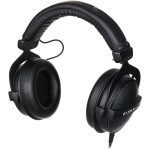
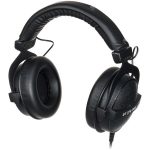
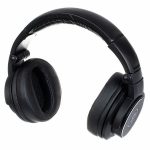
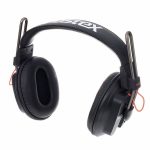
The DT-150 presents a utilitarian, retro aesthetic with a robust metal frame and hard-wearing plastic ear cups finished in anthracite black. The closed-back circumaural design encompasses the ear fully, comfortably accommodating larger ears without pressing painfully against eyeglass temples or earlobes, a common issue addressed by users. At 318 g without the cable (385 g complete), it is on the heavier side but remains comfortable for prolonged sessions due to well-padded, replaceable leatherette earpads and a cushioned headband.
One strong point is the headphone’s modular construction: cables and earpads can be swapped without professional tools, prolonging the lifespan for studio use. The supplied 3.2 m jack cable fits securely, avoiding any crackling or loose connection, although the proprietary connector system requires care to prevent damage.
Comfort and Wearability
The large circumaural earpads and moderate clamping force allow for extended wear up to 6 to 10 hours per day with minimal discomfort, an essential feature for long mixing or recording sessions. Some users report a slight warming effect on the ears after a few hours, which is manageable with occasional breaks. The leatherette covering, while durable and providing good acoustic isolation, may become sticky and cause mild itching during prolonged use or in warm environments. Alternative velour pads from the DT-100 can be fitted to mitigate this issue, albeit at the cost of some isolation and bass response.
Sound Performance
The sound signature of the DT-150 is neutral with a slight emphasis on the lower midrange and upper bass frequencies, yielding a warm yet precise audio reproduction. This makes them particularly suited for tracking bass instruments and drums where a full-bodied low end is crucial. Instrument separation is excellent, allowing distinct layers to be heard clearly even in complex mixes.
- Frequency response: Extended from sub-bass at 5 Hz up to a detailed 30 kHz, ensuring high-fidelity audio reproduction across the spectrum.
- Soundstage: For closed-back headphones, the DT-150 presents a reasonably wide stereo image, providing a good sense of space without the claustrophobic effect sometimes noted with sealed headphones.
- Neutrality: Unlike some consumer headphones with v-shaped responses, the DT-150 avoids overly boosted highs or bass, making it suitable for critical listening and producing mixes that translate well across playback systems.
- Maximum sound pressure: 97 dB SPL allows for monitoring at realistic volumes without distortion.
The headphones reveal details and subtle nuances in recordings, including string textures in cellos and ambient reverb in acoustics. However, due to the 250 Ohm impedance, they require a good headphone amplifier to reach optimal volume and full dynamic potential. When connected to lower power devices such as smartphones without amplification, their performance and loudness might be limited.
Acoustic Isolation
The closed-back design effectively isolates external noise, allowing lower listening levels and protecting the listener’s hearing during long sessions. While very good, the isolation is not completely airtight; some sound escape can be detected with close microphone recording, rendering the DT-150 less ideal for vocalists during studio tracking where bleed is critical.
Use Cases and Suitability
The DT-150 excels as a monitoring headphone during recording, especially for bass-heavy or percussive material, and can comfortably handle extended wear. They are less suited to final mixing or mastering due to their slight warmth and bass emphasis but remain appreciated for their musical and engaging sound. Their durability and replaceable parts make them a smart investment for professional users who require long-term reliability.
- Ideal for: Studio tracking, monitoring bass and drums, critical listening with attention to raw recording quality, extended sessions requiring comfort and durability.
- Less suited for: Final mixing or mastering where extremely flat response and utmost soundstage precision are crucial, recording vocalists due to sound leakage.
Conclusion
The beyerdynamic DT-150 remains a steadfast studio classic, offering a rare combination of rugged build quality, thoughtful ergonomics, and detailed, warm sound. Its 250 Ohm impedance mandates pairing with a suitable headphone amplifier to unlock its full potential. Users seeking a neutral, reliable monitoring headphone for long hours of use will find it a compelling choice, especially given its reasonable price point of £215 and the availability of easily replaceable parts.
While subjective preferences apply, particularly regarding the slight bass emphasis and earpad material, the DT-150 stands out as a professional tool with enduring value. Its capacity to reproduce recordings faithfully without artistic colouring, together with its durable construction and user maintenance capabilities, cements its position in recording studios and among critical listeners.