
Field Test · Studio Gear Review
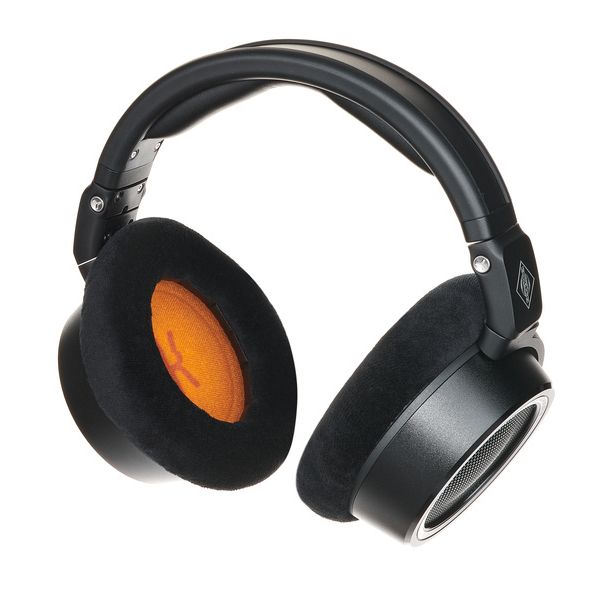
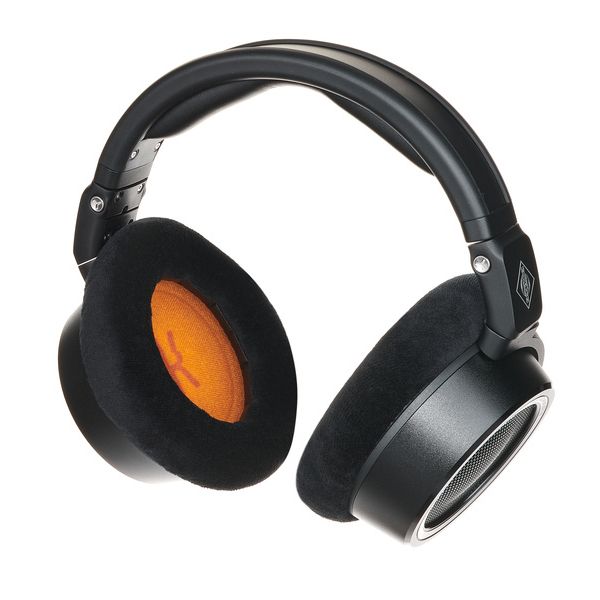
Neumann NDH 30 Black Edition
In-depth technical analysis of Neumann’s NDH 30 Black Edition open-back headphones
 Neumann
- Studio Headphones
- Open-backed studio headphones
- For editing, mixing, mastering
- This is what customers who viewed this product bought
- Accessories & matching items
- 31Customer ratings
- Compare options
- Smart Navigator
Spec Sheet
- Circumaural
- Open-back design
- Dynamic
- Wired headphones
- Frequency range: 12 – 34,000 Hz
- Impedance: 120 ohm
- Sound pressure level: 103 dB SPL/1kHz/1Vrms
- 38 mm neodymium transducer
- Maximum power rating: 1000 mW
- Max. input level: 200 mW
- Total harmonic distortion (THD) at 1 kHz and 100 db SPL: <0.03 %.
- Replaceable fabric-covered foam ear pads
- Cable routing on one side
- Replaceable cable
- Weight (without cable): 352 g
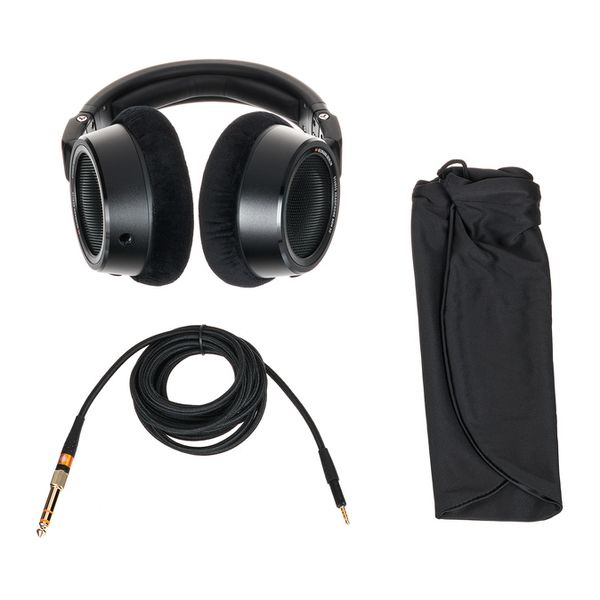
- Includes 3 m cable (balanced), adapter 3.5 mm to 6.3 mm jack, carrying pouch, quick start guide and safety guide
Studio Log
| Available since | September 2023 |
|---|---|
| Item number | 574017 |
| Sales Unit | 1 piece(s) |
| Design | Over-Ear |
| System | Open |
| Impedance | 120 Ohms |
| Frequency range | 5 Hz – 30000 Hz |
| Adaptor | Yes |
| Replaceable Cable | Yes |
| Colour | Silver |
| Max. SPL | 114 dB |
| Type Of Connector | Mini Jack |
| Weight | 352 g |
Demo Footage
Field Photography
QC Pass — Field Test
Customer Review Summary
Introduction to the Neumann NDH 30 Black Edition
The Neumann NDH 30 Black Edition, released in September 2023, is a professional-grade open-back over-ear headphone designed for critical listening, mixing, and mastering. Priced at £529, it targets sound engineers and producers requiring precise and neutral audio reproduction. Weighing 352 grams and featuring a robust build with replaceable parts including fabric-covered foam ear pads and detachable cables, the NDH 30 aims to provide reliability and comfort for extended sessions.
Design and Build Quality
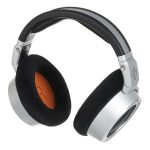
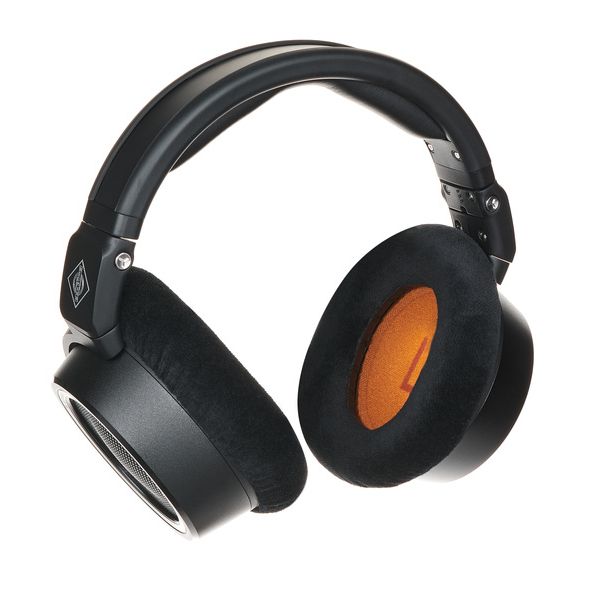
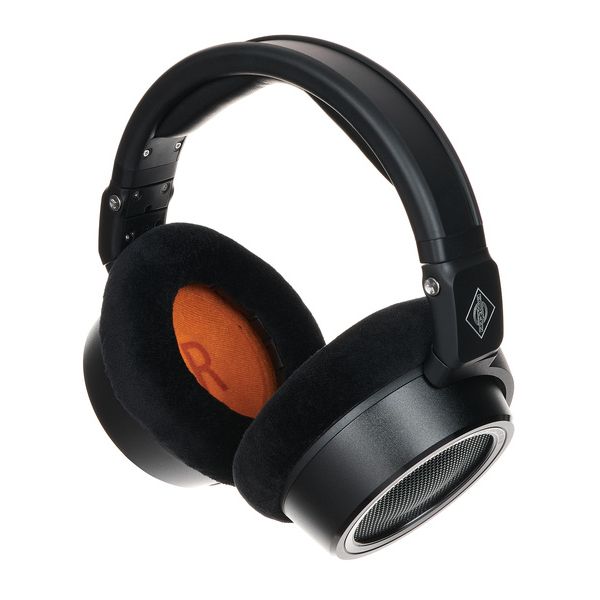
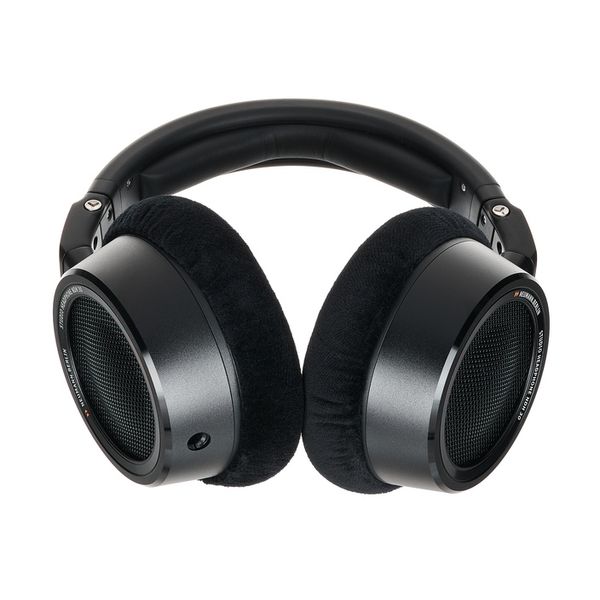
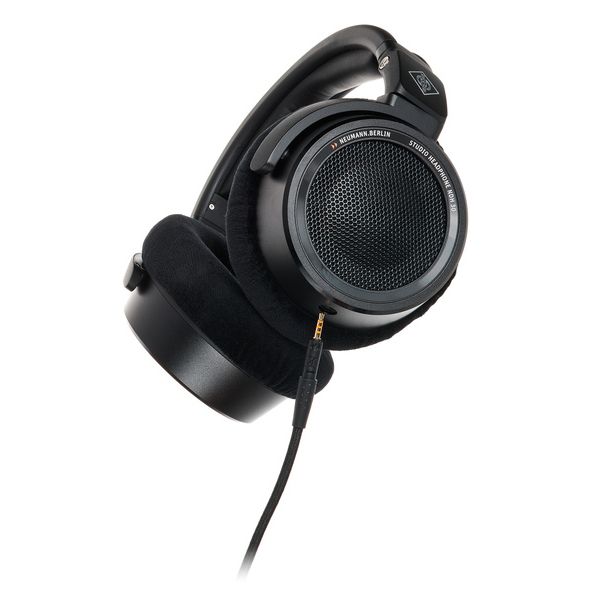
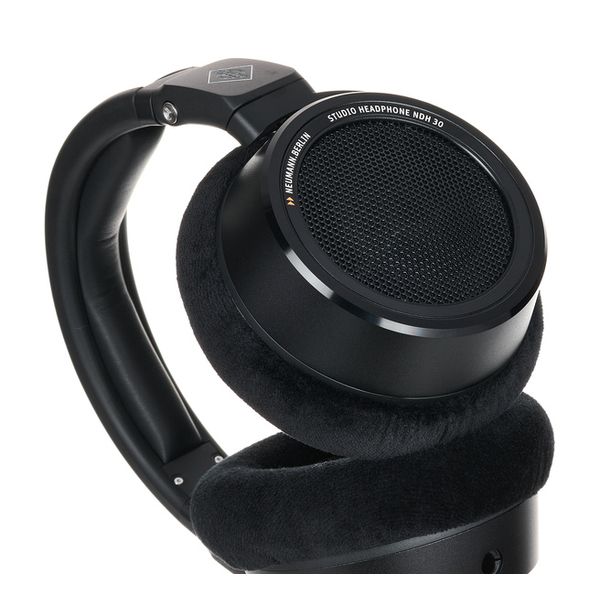
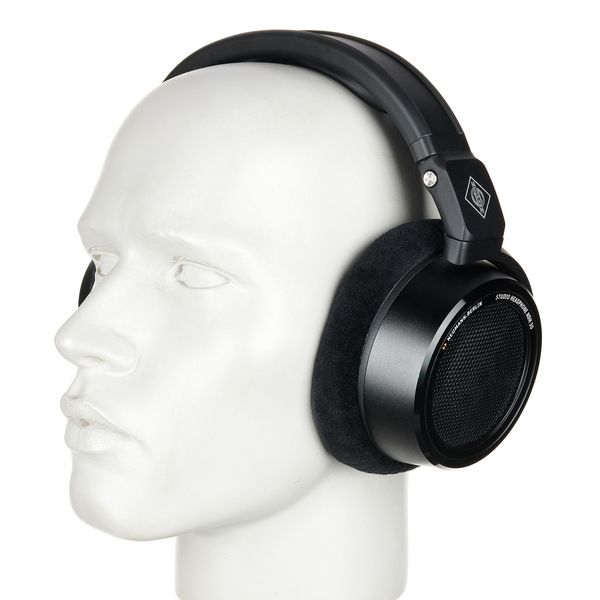
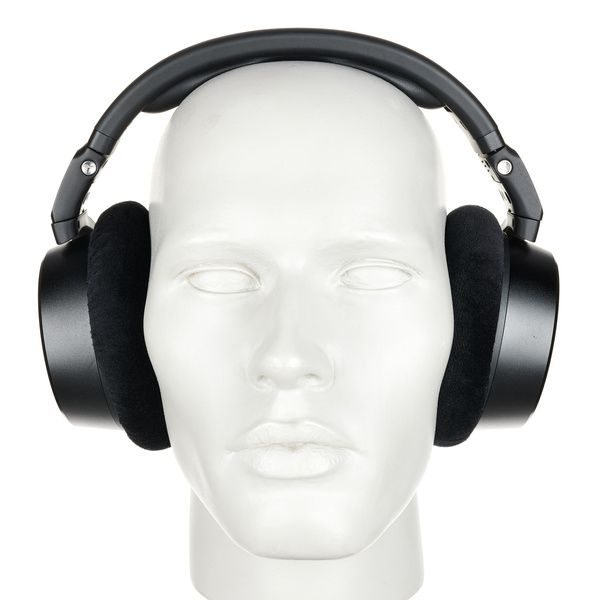
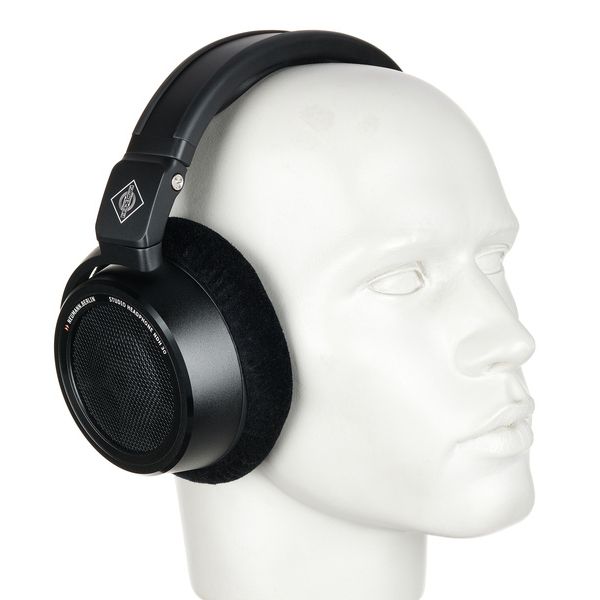
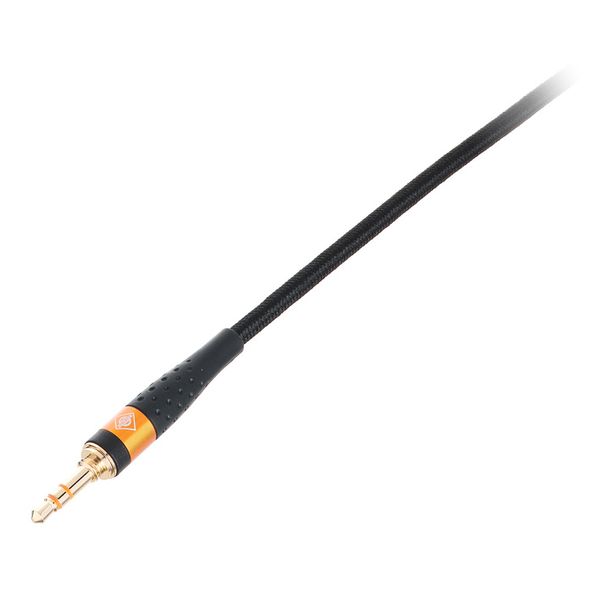
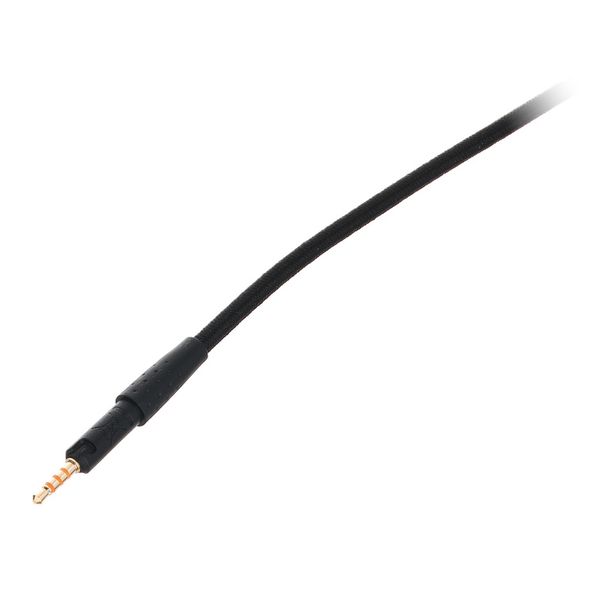
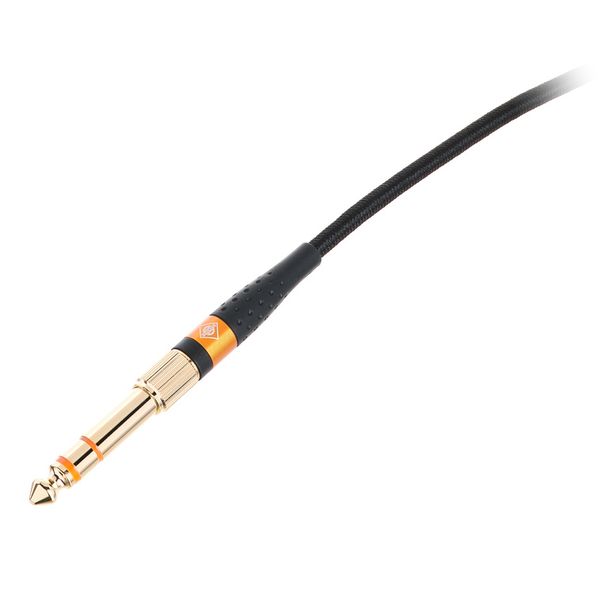
The NDH 30 employs a circumaural open-back design, utilising 38 mm neodymium dynamic drivers that cover a wide frequency range of 5 Hz to 30 kHz. The headphones are wired with a 3-metre balanced cable terminating in a mini jack, accompanied by a 3.5 mm to 6.3 mm adapter and a carrying pouch.
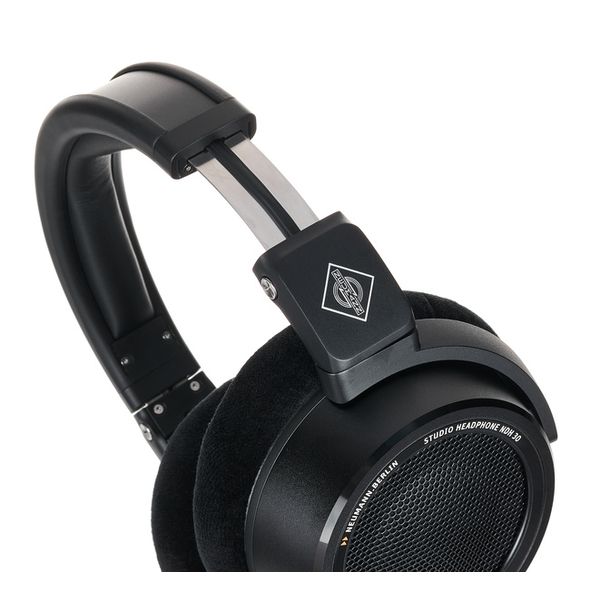
Construction uses aluminium and steel components, lending durability and a premium feel, though some users have noted the ear cup casings can feel plasticky rather than metallic. The cable connection is on the right earcup only, via a mini-jack, which some find inconvenient and prone to noise caused by cable movement.
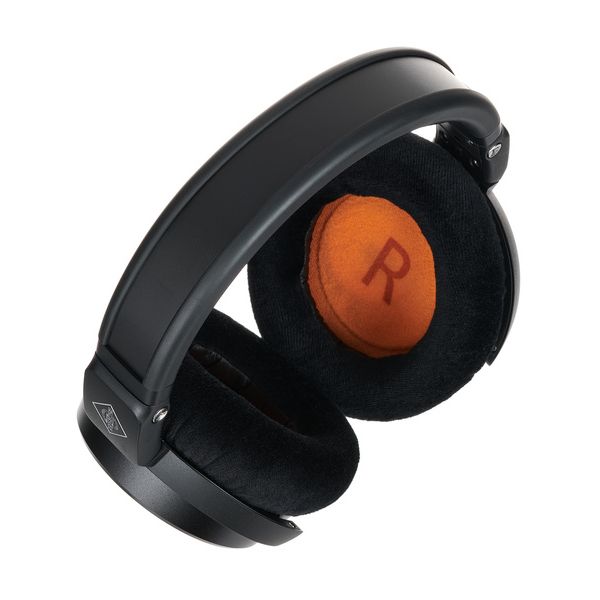
The ear pads are soft and fabric-covered, easing fatigue during long sessions. However, the overall weight and design can cause the headband to exert pressure on the crown of the head after approximately 30 minutes of continuous use, particularly with tighter clamping force to prevent slippage.
Sound Performance
Neutrality and Accuracy
Neumann has positioned the NDH 30 as a reference tool, designed to faithfully replicate the sound characteristics of their MA 1-calibrated monitor systems. Many users confirm that the headphones deliver a remarkably flat and natural sound, conducive for professional mixing and mastering tasks. The soundstage is notably wide and airy, allowing precise spatial placement of instruments and effects.
Frequency Response and Tonality
- Lows: The bass response extends deeply and is tight, delivering sub-bass elements with clarity and definition absent in many competitors at this price point. It is present but never overemphasised.
- Mids: The midrange is detailed and transparent, enabling separation of complex musical layers without muddiness. Vocals and guitars present as crisp and clear.
- Highs: Treble frequencies are smooth and well-controlled, avoiding harshness or fatigue. The highs maintain detail without becoming piercing, making long-term listening comfortable.
Despite an open-back design that allows ambient sound ingress, the headphones maintain a high maximum sound pressure level of 114 dB SPL, suitable for a variety of playback environments.
Distortion and Dynamic Range
The NDH 30 boasts a very low total harmonic distortion of less than 0.03% at 1 kHz and 100 dB SPL, indicating high fidelity. Its 1000 mW power rating and 120 Ohm impedance ensure it is compatible with most audio interfaces and amplifiers, though some users recommend a headphone amplifier to fully realise its potential.
Comfort and Usability
The circumaural ear cups provide good isolation while remaining breathable thanks to the open-back design. Users with larger heads or glasses report satisfactory comfort, although the fit can sometimes be loose enough to allow slight movement, which may subtly alter frequency response positionally. This necessitates occasional readjustment during longer sessions.
The headband padding is sufficient but not extraordinary. Users prone to wearing headphones for hours note a developing pressure point on the crown, which is a trade-off for the NDH 30’s sturdy clamping force. The headphone folds flat for transport but is supplied with only a thin fabric pouch, leaving professional cases as an additional cost consideration.
Accessory and Cable Considerations
The included 3-metre balanced cable is flat and fabric-covered, minimising tangling but transmitting handling noise into the right earcup. The symmetric cable architecture is somewhat perplexing as the termination is a standard stereo mini-jack, requiring users to connect an adapter for 6.3 mm inputs common in studio gear. A short coiled or unbalanced cable alternative is not provided, which some users find limiting for in-studio flexibility.
Comparisons and Use Cases
Owners transitioning from well-known models such as Beyerdynamic DT 1990, Sennheiser HD 650, or Audio-Technica ATH M50 find the NDH 30 excels in bass extension, midrange clarity, and high-frequency smoothness. Compared to the Neumann NDH 20, the NDH 30 offers a more neutral and refined sound signature, making it especially suitable for critical mixing rather than casual listening.
Many professional reviewers hail the NDH 30 as a final studio headphone choice, praising its faithful translation of monitored mixes and compatibility with Neumann speaker setups. However, it is not recommended as a substitute for reference monitors, but rather as an excellent complementary tool that significantly aids in precise editing, panning, and quality assurance.
Conclusion
The Neumann NDH 30 Black Edition is a robustly built, highly accurate open-back headphone tailored for demanding studio environments. Its capacity to reproduce sound transparently across the spectrum with minimal distortion makes it invaluable for mixing and mastering tasks. While the cable and headband design exhibit minor ergonomic drawbacks, these do not detract significantly from the overall experience.
For those willing to invest in a professional-grade headphone that delivers exceptional detail, wide soundstage, and reliable build quality, the NDH 30 stands out as a formidable choice well worth the price.