
Field Test · Studio Gear Review
Rode NTH-100
Analysis of Rode’s NTH-100 closed-back studio headphones performance and build quality
 Rode
Rode
- Studio Headphones
- Made in Australia
- Endlessly customisable
- This is what customers who viewed this product bought
- Accessories & matching items
- 81Customer ratings
- Compare options
- Smart Navigator
Spec Sheet
- Robust headphones ideal for musicians, sound engineers, podcasters, filmmakers etc.
- Dynamic
- Closed-back design
- Circumaural
- Passive noise cancelling
- 40 mm neodymium drivers selected in pairs
- Robust spring steel headband
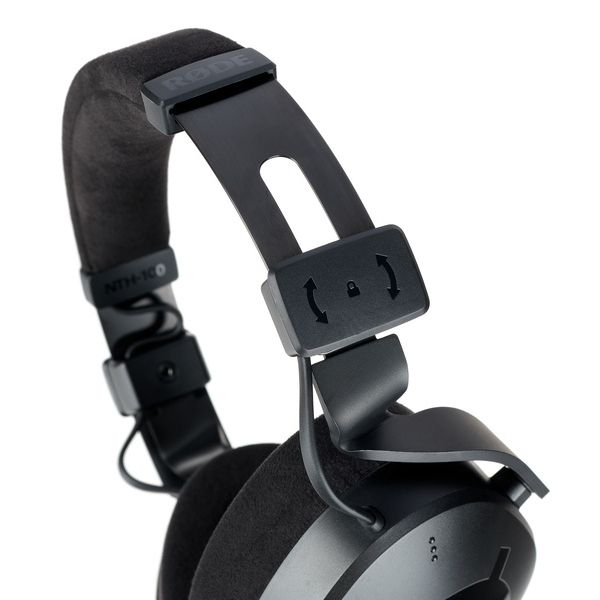
- Adjustable ear cups with FitLok locking system
- Memory foam ear and headband cushions covered with Alcantara
- Ear pads with cooling CoolTech gel
- Frequency range: 5 – 35,000 Hz
- Impedance: 32 Ohm
- Sensitivity: 110dB
- Max sound pressure: 126 dB
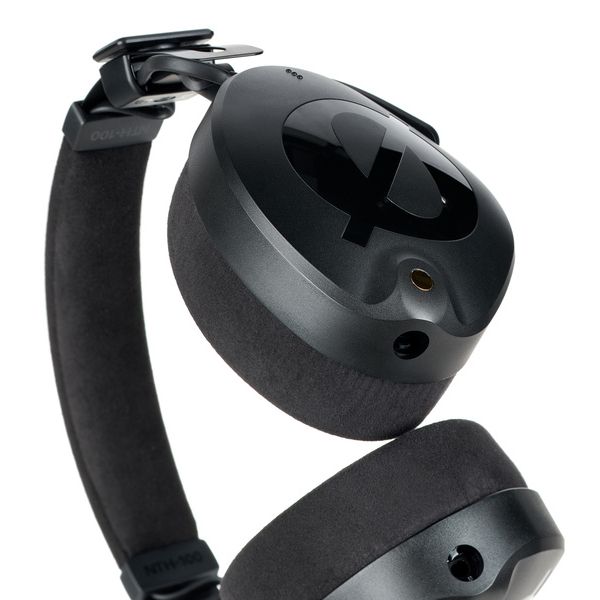
- Single-sided cable routing (left or right connection possible)
- 3.5 mm Jack sockets with bayonet locking mechanism
- Detachable straight 2.4 m connection cable (3.5 mm TRS jack)
- Weight: 344 g
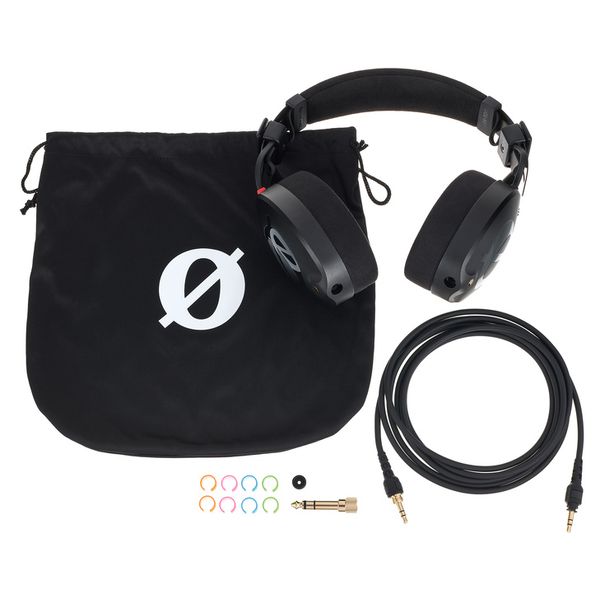
- Includes jack adapter (3.5 mm to 6.3 mm jack), carrying pouch and cable identification rings (blue, green, orange, pink)
Studio Log
| Available since | March 2022 |
|---|---|
| Item number | 540588 |
| Sales Unit | 1 piece(s) |
| Design | Over-Ear |
| System | Closed Back |
| Impedance | 32 Ohms |
| Frequency range | 5 Hz – 35000 Hz |
| Adaptor | Yes |
| Replaceable Cable | Yes |
| Colour | Black |
| Max. SPL | 126 dB |
| Type Of Connector | Mini Jack |
| Weight | 344 g |
Demo Footage
Field Photography
QC Pass — Field Test
Customer Review Summary
Introduction
The Rode NTH-100, released in March 2022 at £105, targets musicians, sound engineers, and podcasters seeking robust closed-back headphones. The design features circumaural ear cups, passive noise cancellation and uses 40 mm neodymium drivers with 32 Ohms impedance. This review covers build, comfort, sound performance, and practical issues gathered from extensive user feedback and testing.
Design and Build Quality
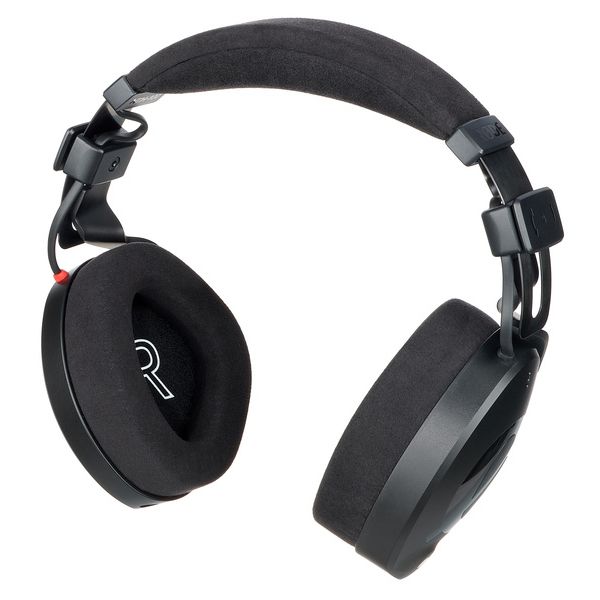
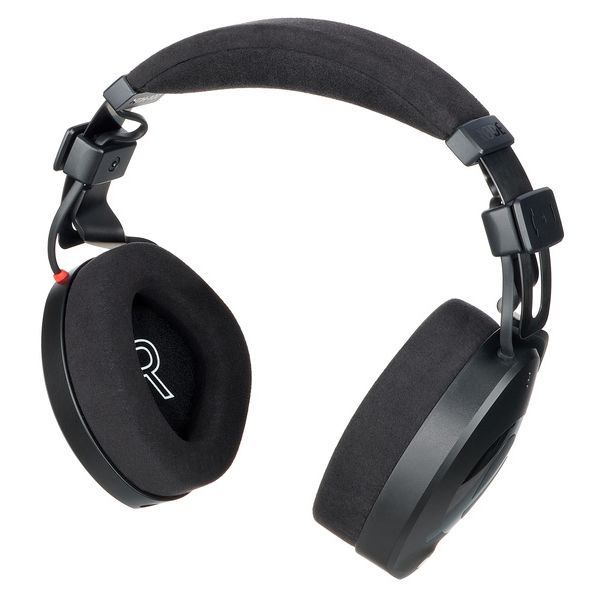
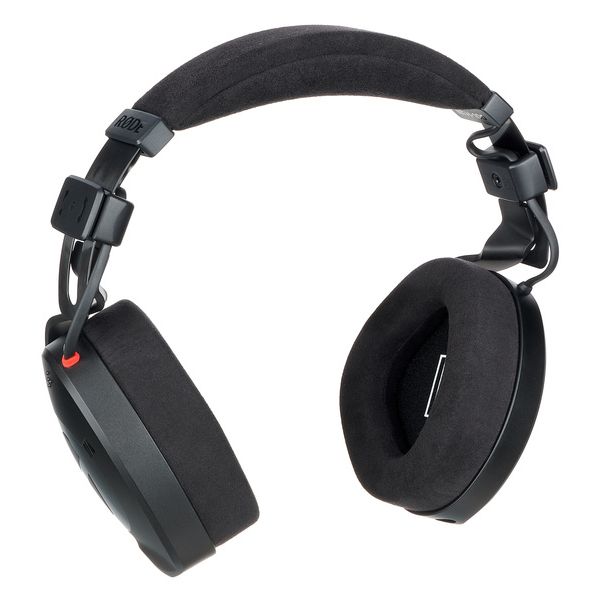
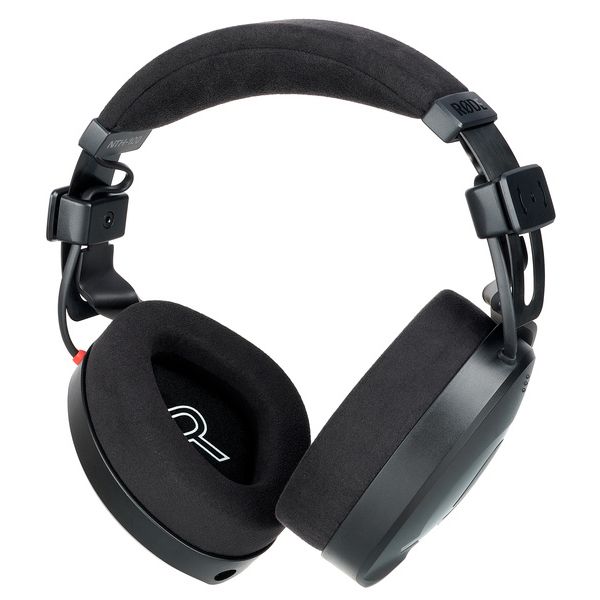
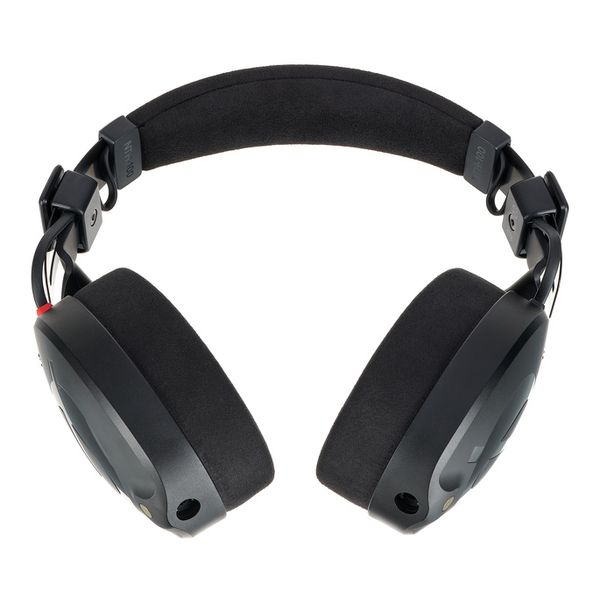
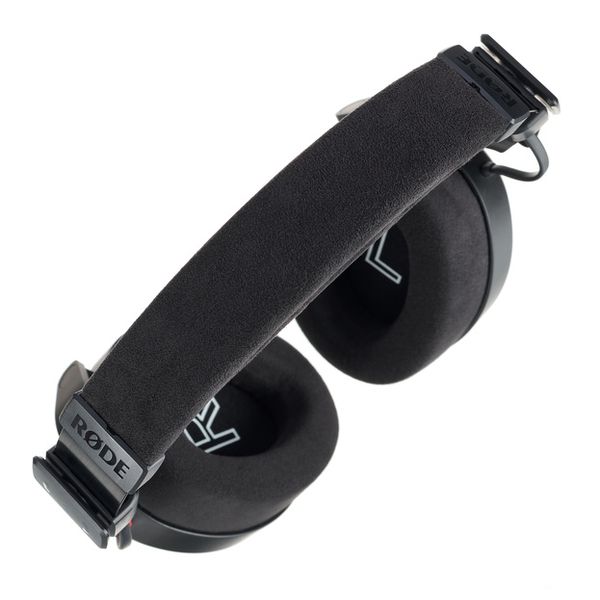
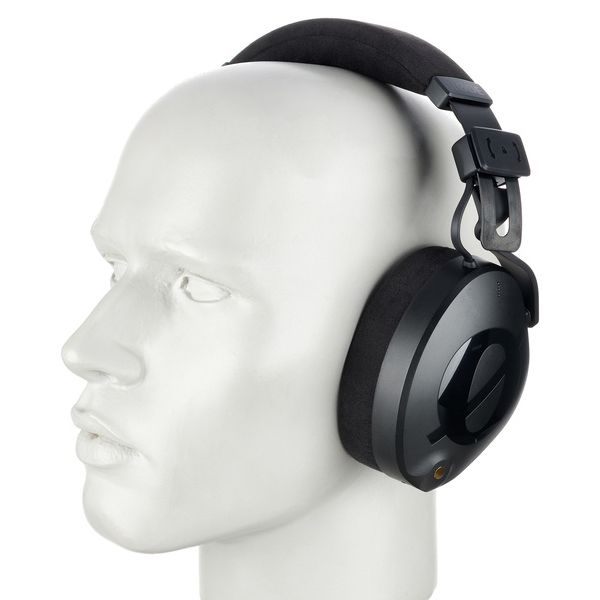
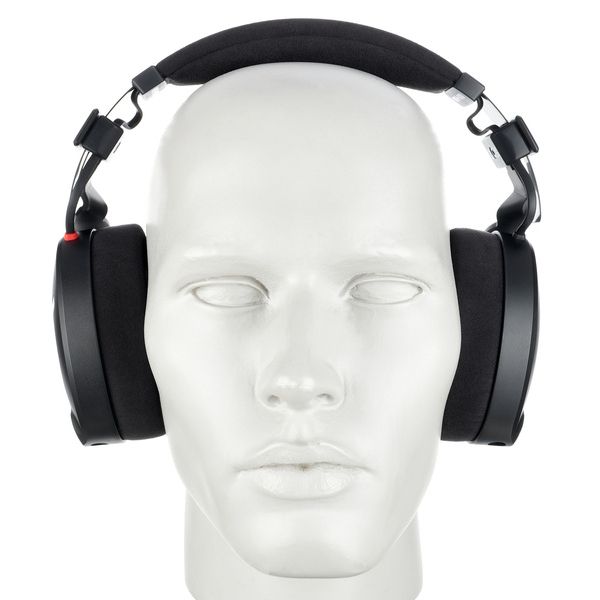
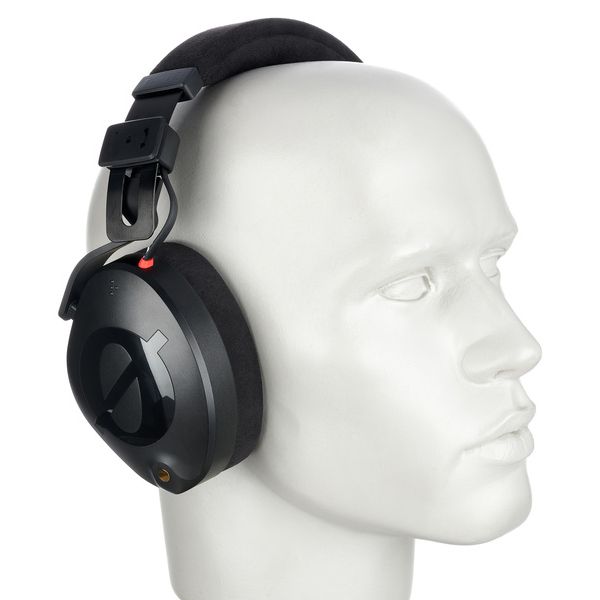
The NTH-100 headphones have an over-ear, closed-back design intended to isolate external noise effectively. The sturdy construction uses a spring steel headband with memory foam cushions covered in Alcantara, promising long listening sessions with comfort. Notably, cooling CoolTech gel pads aim to reduce heat build-up around the ears.
- Weight: 344 grams, which feels substantial but manageable for studio use.
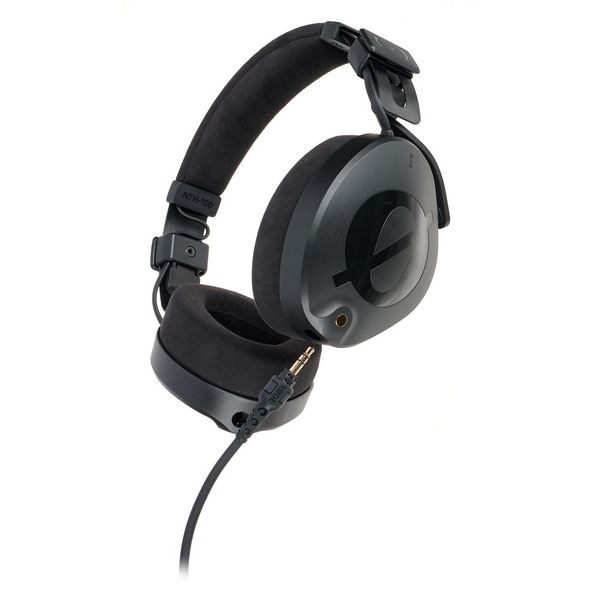
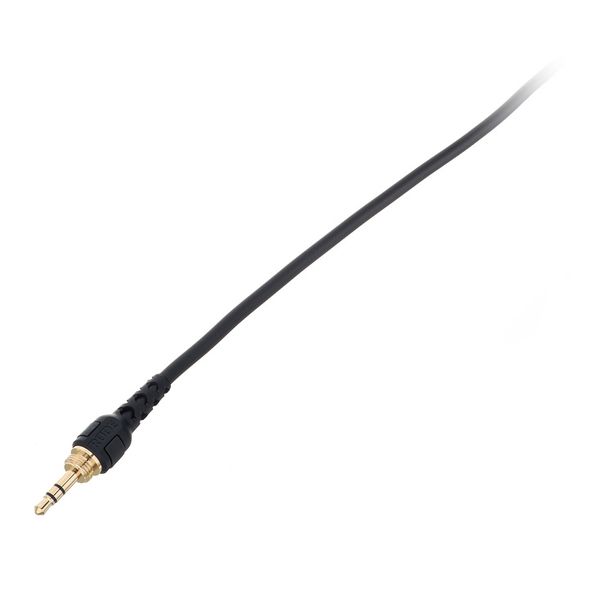
- Cable: Detachable 2.4 m single-sided cable with mini jack and bayonet locking; connector side is left or right configurable.
- Accessories: Includes 3.5 mm to 6.3 mm adapter, carrying pouch and colour-coded cable rings.
However, a significant downside is the reliance on thin plastic components for the earcup locking mechanism. Several users report stress fractures that cause these plastic joints to break after relatively normal use. This issue the overall user experience, as broken locking parts leave earcups held only by wires, compromising fit and stability.
Comfort
The memory foam and Alcantara-covered ear pads provide a soft and pleasant contact surface, suitable for extended use, though some users note that the gel pads warm up after some time, reducing the initial cooling benefit. The ear cups are physically smaller and shallower than some competitors, which can be a drawback for listeners with larger ears, causing pressure and discomfort over prolonged periods.
The headband’s locking system offers a secure and adjustable fit, appreciated for keeping the headphones firmly in place during movement without slipping. Yet, the fragile plastic joints detract from long-term reliability. The firm clamping force ensures passive noise attenuation but may induce fatigue on the head for some users.
Sound Performance
The Rode NTH-100 delivers a balanced and natural sound signature. The 40 mm drivers provide a wide frequency response from 5 Hz up to 35 kHz, accommodating detailed audio monitoring. Users consistently find voice recordings remarkably clear and familiar, likely benefiting from Rode’s expertise in vocal microphone technology.
- Bass: Defined but not overpowering, avoiding muddiness.
- Midrange: Accurate and forward, ideal for vocal monitoring and speech clarity.
- Treble: Slightly subdued compared to more analytical headphones but sufficiently detailed for general monitoring.
This sound profile suits podcasting, video editing, and mixing where clarity and fidelity are essential. While not the top choice for audiophile music listening or mastering, the NTH-100 earns praise for its neutral tone and detailed reproduction given its price range.
Practical Considerations
The single-sided cable design with selectable input side and secure bayonet locking gives practical flexibility in studio setups. The included adapters support both standard 3.5 mm and 6.3 mm jacks, providing compatibility across equipment.
One caveat is the cable’s microphonic effect; handling or moving the cable transmits noise to the ears, which some users find distracting during quiet moments. That said, the overall package is well suited for studio applications and fieldwork where wired reliability is a priority.
Issues and Durability
Despite positive sound and comfort impressions, multiple reports highlight a critical flaw: the plastic components that hold the adjustable ear cups tend to crack and break with routine use. This design weakness diminishes the headset’s lifespan and makes ownership frustrating due to repair delays and potential additional costs for spare parts, which Rode reportedly offers only on request.
Aside from this structural concern, the NTH-100 cables and materials elsewhere have demonstrated resilience. Users recommend careful handling to extend the headphones’ durability.
Conclusion
The Rode NTH-100 headphones offer excellent sound quality and comfort at a competitive price, suitable for musicians, broadcasters, and audio content creators. Their neutral tonality emphasizes voice clarity and balanced performance. The choice of materials and ergonomic features deliver extended wearing comfort, although the size of ear cups may not be ideal for larger ears and the gel pads’ cooling effect diminishes over time.
However, the ongoing issue with fragile plastic joints in the headband adjustment is a significant drawback that impacts reliability and user satisfaction. Prospective buyers should be aware of this and handle the headphones with care or seek updated revisions addressing this flaw.
For those prioritising sound fidelity and comfort on a budget, with mindful handling, the Rode NTH-100 proves a capable and versatile headset. Yet, the mechanical fragility tempers their recommendation as a long-term studio workhorse unless Rode improves this design element.