Field Test · Studio Gear Review
Dexibell DX HF7
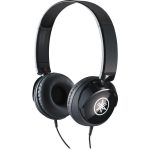
Technical analysis of Dexibell’s closed-back DX HF7 headphones
 Dexibell

- Over-ear headphones
- Accessories & matching items
- 19Customer ratings
- Compare options
- Smart Navigator
Spec Sheet
- Circumaural
- Closed-back
- Drivers: 45 mm
- Impedance: 40 ohm
- Maximum sound pressure level (SPL): 98 ±3dB
- Frequency response: 10 – 26,000 Hz
- Maximum input power: 300 mW
- 3 m cable with 3.5 mm jack plug and screw on 6.3 mm adapter
- Weight without cables: 308g
- Colour: black
Studio Log
| Available since | June 2017 |
|---|---|
| Item number | 414187 |
| Sales Unit | 1 piece(s) |
| Design | Over-Ear |
| System | CLosed Back |
| Impedance | 40 Ohms |
| Frequency range | 10 Hz – 26000 Hz |
| Adapter | Yes |
| Replacable Cable | Yes |
| Marrone/Argento | Black |
| Sensitivity | 98 dB |
| Max. SPL | 98 dB |
| Type Of Connector | Mini Jack |
| Adaptor | Yes |
| Weight | 308 g |
| Replaceable Cable | Yes |
| Colour | Black |
Demo Footage
Field Photography


QC Pass — Field Test
Customer Review Summary
Overview
The Dexibell DX HF7 is a closed-back, circumaural headphone designed primarily for music listening, studio monitoring and general multimedia use. Available since June 2017, the headphones retail at approximately £92. With 45 mm drivers, a frequency response spanning from 10 Hz to 26,000 Hz, and an impedance of 40 ohms, the DX HF7 promises a broad audio range. The headphones weigh 308 grams and feature a replaceable cable with a 3.5 mm jack and a 6.3 mm screw-on adapter.
Design and Build Quality
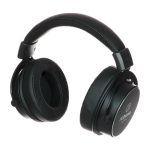
The DX HF7’s design emphasises comfort with circumaural earcups padding the ears generously. The closed-back system offers good isolation from external noise, suitable for studio environments and quieter listening sessions. The headphones fold for portability and come with a detachable cable that locks with a quarter-turn mechanism, preventing accidental disconnections. The headband contains a metal extension for durability and adjustment, although some users report it being slightly large for smaller heads.
Despite these positives, there are notable weaknesses. The foam on the earcups is relatively soft and can sometimes press onto the ears uncomfortably during extended wear. The synthetic leather padding shows durability concerns; several users mention early deterioration where the material cracks or flakes, causing an untidy appearance and potential hygiene issues.
Audio Performance
The Dexibell DX HF7 delivers a sound signature that emphasises balanced frequencies with detailed mids and highs, and a rich, rounded bass presence. The 45 mm drivers allow for precise bass without overwhelming the midrange or treble, making the headphones well suited to piano, synthesiser work, and mixing tasks. The maximum sound pressure level sits around 98 dB, which is adequate for personal listening levels.
Many users note that the headphones perform well with acoustic and digital piano sounds, producing a natural and full-bodied audio experience. The frequency response is wide enough to capture delicate high-frequency details and deep bass frequencies expected in demanding studio work. However, some critiques point to slight compromises in sound quality in particular frequency ranges, indicating that these headphones may not satisfy professional audiophiles seeking the utmost accuracy.
Comfort and Usage
Comfort is a strong point for the DX HF7 when worn for several hours. The clamping force is generally light, reducing pressure fatigue, and the materials allow for breathability. However, individual comfort varies; reports of headaches after prolonged use suggest that the fit may not be perfect for everyone. The headphones cater well for users engaging in gaming, audiobook listening, and music production where extended wear is common.
The replaceable cable with locking functionality is a practical feature, enhancing usability and potentially extending the product’s lifespan. The inclusion of a screw-on 6.3 mm adapter also aids compatibility with a range of professional audio equipment.
Durability and Reliability
While the internal metal components offer reasonable structural reliability, external durability is mixed. The synthetic leather ear padding degrades prematurely in some cases, impacting overall wearability and appearance. There are reports of the headband breaking and problems with the proprietary jack cables cracking or failing, which detracts from the headphones’ longevity.
The use of stranded rather than solid cables is a questionable choice at this price point. Some users resort to repairs or replacements shortly after purchase. Although the headphones come with two cables and an adapter, these durability concerns highlight that the build materials prioritise cost savings over long-term robustness.
Conclusion
The Dexibell DX HF7 offers a respectable audio performance that appeals to users seeking balanced sound reproduction with emphasis on midrange clarity and a rich bass. Its comfort level suits longer sessions of listening or studio work. The foldable design and detachable cable add practical flexibility.
However, the build quality issues, chiefly the fragile synthetic leather pads and the proprietary cable design, raise doubts about long-term reliability. While the headphones deliver very good value for their price, professionals requiring more durable gear or higher fidelity might prefer to explore alternatives at a higher price range.
, the DX HF7 is recommended for hobbyists and amateur musicians prioritising sound quality and comfort over ruggedness, with a price point that reflects these trade-offs.