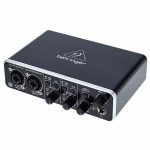
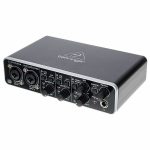
Behringer UMC1820


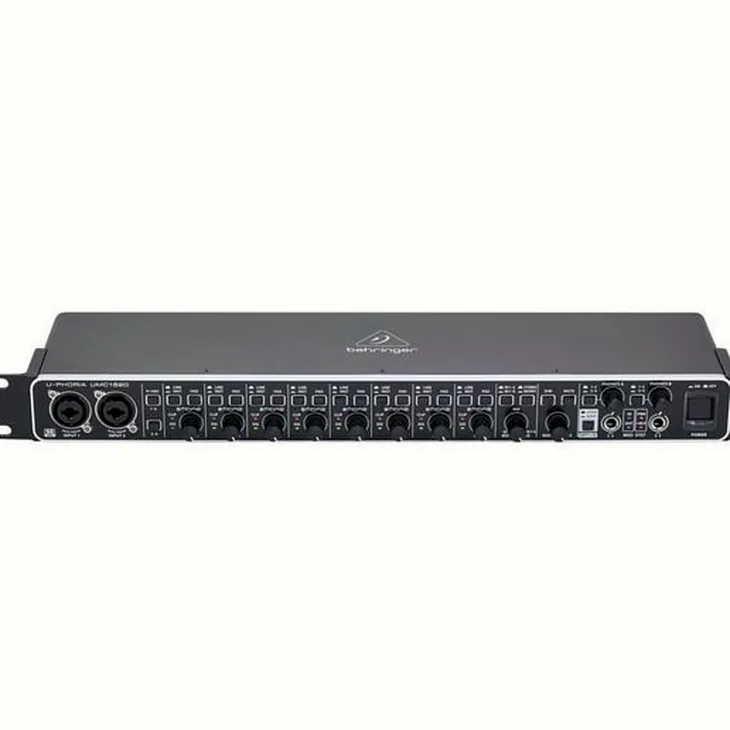
Unique details of the Behringer audio interface
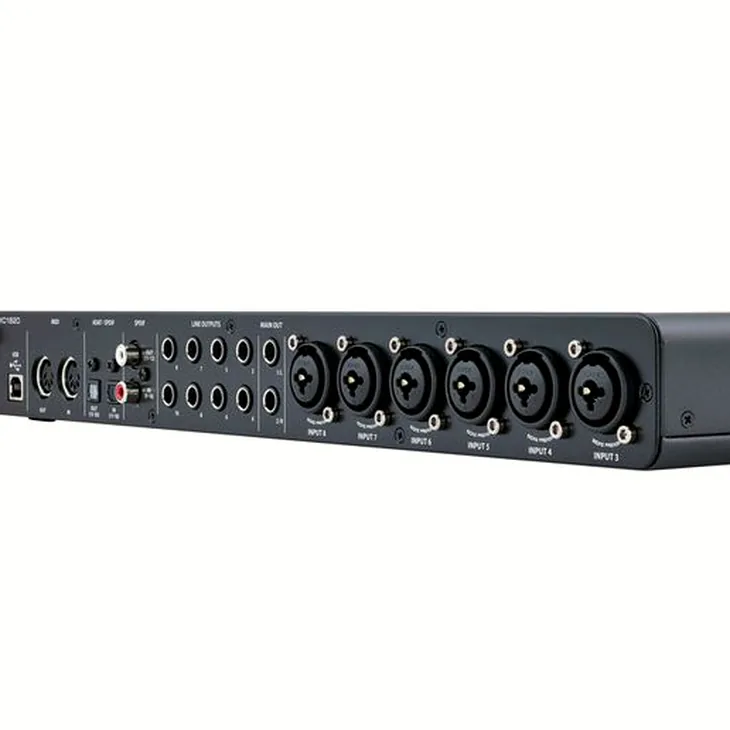
- USB 2.0 audio interface, 18 x 20
- Up to 24-bit / 96 kHz
- 18 Inputs and 20 outputs: 8x XLR / 6.3 mm jack combo microphone / instrument / line input, switchable
- MIDAS designed preamp
- 2 ADAT / SPDIF optical inputs and outputs (S/MUX capable)
- 2 Coaxial SPDIF inputs and outputs
- 10x 6.3 mm jack line outputs (1 + 2 monitor output L/R)
- +48 V phantom power can be enabled
- Pad switch for each input
- Gain control per input
- Main output gain control with mute and DIM switch
- Monitoring control with stereo / mono switch
- 2 Separate headphone outputs with control
- MIDI input and output
- External power supply
- Compatible with Windows XP / Vista / 7 / 8 / 10 and Mac OSX
- Design: 19″ / 1U
Images



Additional Information
Customer Review Summary
The Behringer UMC1820 is an impressive audio interface that offers a remarkable balance of quality and affordability, making it an excellent choice for home studios and project setups.
Its build quality is solid, featuring a sturdy metal chassis and well-functioning knobs, which contribute to a reliable experience. The inclusion of 8 MIDAS-designed preamps provides a warm and clear sound, although some users note that they lack the airiness found in higher-end models. This characteristic may limit their appeal for purists, but they still deliver professional results, particularly in pop and rock genres.
The interface boasts multiple connectivity options, including ADAT for expansion, which allows for a total of up to 16 inputs. This feature is particularly beneficial for recording full bands or complex setups. Additionally, it includes two headphone outputs with independent volume controls, a practical touch for collaborative work.
In terms of latency performance, the UMC1820 performs admirably, with low latency that facilitates real-time monitoring. Users have reported successful operation across various operating systems, including Windows and Linux, though some have experienced minor installation hiccups.
While the interface is not without its quirks—such as the need to power it on before the computer for recognition and limitations on phantom power control—it generally excels in versatility and functionality. Some users have suggested that the software could benefit from modernisation, but the essential functions operate smoothly.
Overall, the Behringer UMC1820 stands out as a highly recommended choice for anyone seeking a dependable and feature-rich audio interface at an accessible price point. It combines essential features, quality sound, and the flexibility needed for diverse recording tasks, making it a valuable addition to any studio setup.
The Behringer UMC1820, known as the great U-Phoria, is an impressive audio interface that delivers a wealth of features at a remarkably affordable price.
The build quality is solid, with a sturdy metal chassis and well-constructed knobs that feel good to use. It offers 8 microphone/line/instrument inputs with phantom power, MIDI I/O, ADAT, and S/PDIF connections, making it versatile enough for various recording scenarios, including full band demos and home studio setups.
The sound quality is generally good, with the Midas preamps providing clean amplification, although some users noted a high noise floor on specific inputs. The interface is plug-and-play, making it easy to set up with minimal hassle, and it works well with multiple DAWs.
However, there are minor quirks to consider. The headphone output can be noisy, particularly on input A, and some knobs may not maintain their rigidity over time. The interface lacks individual phantom power switches for each channel, which could pose issues when using a mix of dynamic and condenser microphones.
While the software interface could be improved, and some users have experienced issues with output synchronization and digital glitches, these are often resolved with driver updates. Overall, for its price point, the UMC1820 offers an exceptional balance of functionality and affordability, making it a great choice for beginners and those on a budget.
In summary, the Behringer UMC1820 is a feature-rich and reliable audio interface that stands out in its price range, perfect for anyone looking to expand their recording capabilities without breaking the bank.
Read more…